Caring for the heart is often associated with strict routines, urgent warnings, and complicated medical terminology. While awareness and timely treatment are essential, many people are now discovering that cardiovascular care can also include calmer, more balanced approaches that
support overall well-being. A relaxed perspective does not mean ignoring health risks or skipping professional guidance. Instead, it encourages steady lifestyle adjustments, mindful habits, and supportive environments that help individuals feel empowered rather than overwhelmed. By
combining medical knowledge with practical daily strategies, cardiovascular care can become more approachable and sustainable.
One of the most helpful starting points is shifting the mindset around heart health. Rather than viewing it as a list of restrictions, people can think of it as an opportunity to build positive routines. This might involve taking time to understand how the heart works and how everyday choices influence circulation, energy levels, and long-term wellness. When individuals feel informed and confident, they are more likely to make gradual improvements that last. A relaxed approach focuses on consistency instead of perfection, recognizing that meaningful progress often comes from small steps repeated over time.
Gentle physical activity is often recommended as part of a balanced cardiovascular lifestyle. Activities such as walking, stretching, or light recreational movement can be incorporated into daily routines without requiring intense workouts. The goal is to keep the body moving in ways that feel comfortable and enjoyable. Some people prefer morning strolls in quiet neighborhoods, while others enjoy gardening or dancing at home. By choosing movement that aligns with personal interests, individuals are more likely to remain active without feeling pressured. Over time, this steady engagement can support circulation, stamina, and emotional well-being.
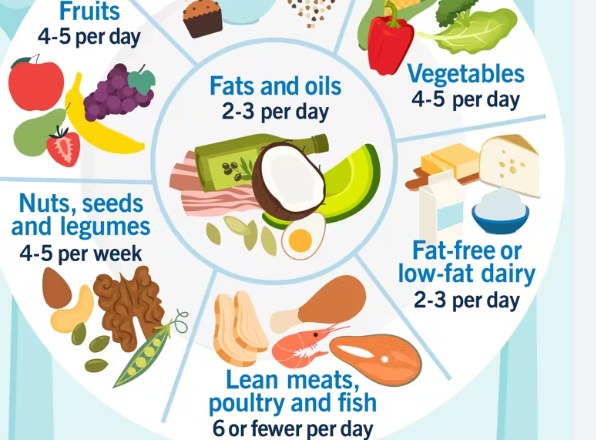
Nutrition also plays a central role in heart care, yet a relaxed perspective avoids rigid dieting or feelings of guilt. Instead, it emphasizes mindful eating and gradual shifts toward balanced meals. This might include adding more colorful fruits and vegetables, choosing whole grains when possible, and paying attention to portion sizes. Enjoyment remains an important part of eating, and occasional indulgences can fit into a thoughtful plan. When people develop a positive relationship with food, they often find it easier to maintain habits that contribute to long-term cardiovascular comfort.
Stress management is another valuable element of a calm approach to heart health. Modern lifestyles can be demanding, and prolonged tension may influence overall wellness. Relaxation techniques such as deep breathing, meditation, or quiet reflection can help create moments of mental clarity throughout the day. Some individuals find comfort in creative hobbies like painting or journaling, while others benefit from spending time in nature. These activities encourage a slower pace and allow the body to reset. By nurturing emotional balance, people may feel more resilient when facing everyday challenges.
Quality sleep is frequently overlooked but remains essential for cardiovascular care. Establishing a soothing bedtime routine can make a meaningful difference. This might involve dimming lights in the evening, limiting stimulating screen time before rest, and maintaining a consistent sleep schedule. A comfortable sleep environment supports the body’s natural recovery processes and contributes to overall vitality. When individuals wake feeling refreshed, they often have more energy to engage in positive habits during the day.
Social connection also influences heart health in subtle yet important ways. Spending time with supportive friends, family members, or community groups can foster a sense of belonging and reduce feelings of isolation. Shared activities, whether they involve cooking meals together, taking leisurely walks, or participating in group classes, can strengthen emotional bonds while promoting physical activity. A relaxed approach encourages people to seek companionship that uplifts them, recognizing that well-being extends beyond individual routines.
Regular communication with healthcare professionals remains a key component of responsible cardiovascular care. A relaxed mindset does not replace medical evaluation or personalized guidance. Instead, it complements professional advice by helping individuals stay engaged and proactive. Routine checkups, open conversations about symptoms, and collaborative goal setting can build trust and clarity. When people feel comfortable asking questions and discussing concerns, they are better equipped to make informed decisions about their health journey.
Technology can also support calm and consistent heart care when used thoughtfully. Simple tools such as reminders for appointments, wellness apps, or wearable devices may help individuals stay aware of their activity levels and daily habits. The purpose of these tools is not to create anxiety but to offer gentle feedback and encouragement. By interpreting data with curiosity rather than judgment, users can adjust routines in ways that feel realistic and motivating.
Another aspect of relaxed cardiovascular care involves cultivating patience. Changes in health habits rarely produce instant results, and progress may unfold gradually. Recognizing this natural pace can reduce frustration and build confidence. Celebrating small achievements, such as choosing a nutritious meal or completing a short walk, reinforces positive behavior. Over time, these incremental successes can form the foundation of a lasting lifestyle that supports heart wellness.
Environmental influences also play a role in shaping healthy routines. Creating spaces that invite relaxation and movement can make a difference. For example, arranging a comfortable area for stretching, keeping fresh foods visible and accessible, or setting aside time for quiet reflection can subtly encourage beneficial habits. When surroundings align with wellness goals, individuals may find it easier to maintain their commitment without feeling pressured.
Education and community resources can further enhance a calm approach to cardiovascular care. Workshops, support groups, and wellness programs often provide valuable insights while fostering connection. Learning alongside others can reduce uncertainty and inspire shared motivation. People may discover new strategies, exchange experiences, and feel reassured that they are not navigating health decisions alone. This collaborative atmosphere supports both emotional and physical resilience.
Ultimately, exploring relaxed approaches to cardiovascular care is about finding balance. It encourages individuals to listen to their bodies, seek professional guidance, and integrate practical habits into everyday life. By focusing on steady progress, emotional well-being, and supportive environments, heart care can become a natural part of living rather than a source of worry. Through mindful choices and compassionate self-awareness, people can cultivate routines that nurture both confidence and long-term vitality.