Taking care of your heart is one of the most meaningful investments you can make in your overall well-being. While many people feel motivated to focus on heart health at the start of a new year or after a routine checkup, maintaining that commitment over time can be challenging.
Consistency, rather than perfection, is what truly makes a difference. By building realistic habits and nurturing a positive mindset, you can support your heart health goals in ways that feel natural, sustainable, and rewarding.
One of the most effective ways to stay consistent is to start with a clear sense of purpose. Think about why heart health matters to you personally. You may want to feel more energetic during daily activities, stay active with loved ones, or simply enjoy a balanced lifestyle. When your goals
are connected to meaningful reasons, it becomes easier to stay focused during busy or stressful periods. Writing down your intentions or reflecting on them regularly can help reinforce your motivation.
Setting achievable goals is another important step. Many people fall into the trap of trying to change too much at once, which can lead to frustration or burnout. Instead, consider breaking larger goals into smaller actions that fit comfortably into your routine. For example, you might begin by adding a short walk to your day, choosing more whole foods at meals, or setting aside time to relax and recharge. Small, steady steps build confidence and make it easier to create lasting habits.
Creating a supportive environment also plays a valuable role in maintaining consistency. Surrounding yourself with reminders of your heart health priorities can help you stay on track. This might include keeping nutritious foods easily accessible, setting calendar alerts for movement breaks, or placing comfortable walking shoes near the door. Positive cues in your surroundings can gently guide your decisions without requiring constant willpower.
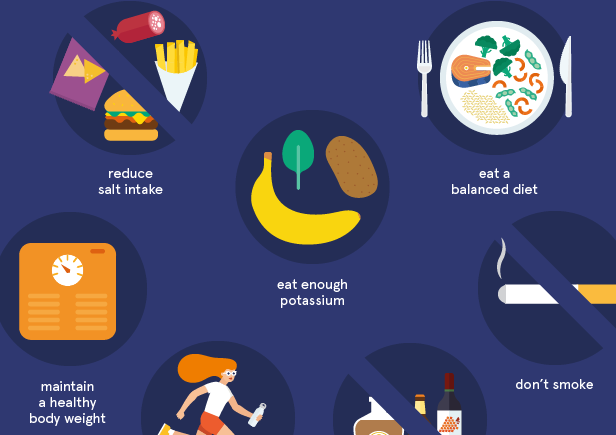
Daily movement is often highlighted as a helpful part of heart-conscious living. The key is to find activities you genuinely enjoy. Some people prefer brisk walks in nature, while others feel energized by dancing, cycling, or participating in group fitness classes. When exercise feels like a pleasant experience rather than a chore, it becomes something you look forward to rather than something you try to avoid. Consistency grows naturally when activities align with your interests and schedule.
Balanced eating patterns can also support your commitment to heart health. Rather than focusing on strict rules, aim for variety and moderation. Incorporating colorful fruits and vegetables, whole grains, and satisfying sources of protein can contribute to a sense of nourishment and vitality. Planning meals ahead of time or preparing simple snacks can help you make mindful choices even during busy days. Remember that occasional indulgences are part of a normal lifestyle, and flexibility can help you stay consistent over the long term.
Managing stress is another important piece of the puzzle. Life’s demands can sometimes make it difficult to focus on health goals, especially when you feel overwhelmed or fatigued. Gentle stress management practices such as deep breathing, journaling, stretching, or spending time outdoors can create moments of calm. Even a few minutes of intentional relaxation can help restore your sense of balance and make it easier to maintain healthy routines.
Sleep quality is often overlooked, yet it can influence how motivated and energized you feel each day. Establishing a soothing bedtime routine may help you unwind and prepare for restful sleep. This might involve dimming lights, limiting screen time, or enjoying a warm beverage before bed. When you wake up feeling refreshed, you are more likely to make choices that align with your heart health goals.
Tracking your progress can provide encouragement and insight. Some people enjoy keeping a simple journal where they note their activities, meals, or mood. Others prefer digital tools that offer reminders or celebrate milestones. The purpose of tracking is not to judge yourself, but to observe patterns and recognize achievements. Seeing how far you have come can inspire you to continue moving forward.
Social connections can make a meaningful difference as well. Sharing your intentions with friends or family members can create a sense of accountability and support. You might invite someone to join you for a walk, exchange healthy recipe ideas, or simply talk about your experiences. Positive relationships can help you stay motivated and make the journey feel more enjoyable.
It is also important to be kind to yourself when challenges arise. Everyone experiences setbacks from time to time. Instead of viewing them as failures, consider them opportunities to learn and adjust your approach. Consistency does not mean doing everything perfectly every day. It means returning to your goals with patience and determination. A compassionate mindset can help you maintain momentum even during uncertain or demanding periods.
Celebrating small victories can reinforce your commitment. Whether you have completed a week of regular activity, tried a new wholesome recipe, or found a moment of calm in a hectic day, acknowledging these accomplishments can boost your confidence. Positive reinforcement encourages continued effort and helps transform healthy actions into lasting habits.
Over time, the routines you practice can become part of your identity. Rather than thinking of heart health as a temporary project, you may begin to see it as an ongoing expression of self-care. This perspective shift can make consistency feel less like an obligation and more like a natural extension of your values.
Staying consistent with heart health goals is ultimately about creating a balanced lifestyle that supports both physical and emotional well-being. By setting realistic intentions, nurturing supportive habits, and embracing flexibility, you can move forward with confidence. Each small step you take contributes to a foundation of long-term wellness. With patience, positivity, and a willingness to adapt, you can continue building a heart-conscious routine that feels fulfilling and sustainable.