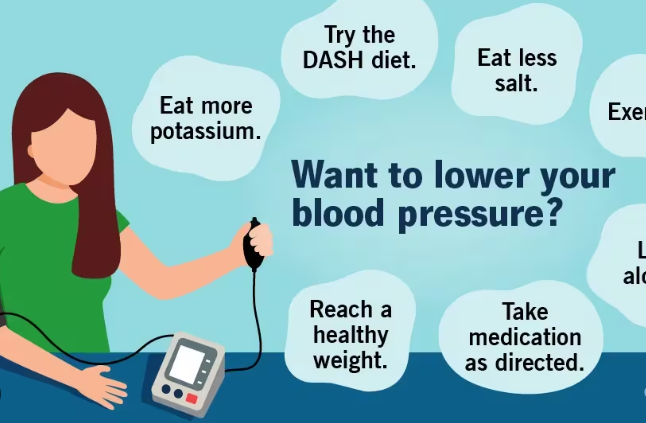
Maintaining healthy blood pressure levels is an important part of overall well-being. Many people today are exploring lifestyle choices that may help support cardiovascular balance in gentle, sustainable ways. While each individual’s needs can vary, adopting thoughtful wellness habits can
contribute to a sense of vitality and long-term health. The following discussion explores practical strategies that may benefit blood pressure levels while promoting a balanced, positive approach to daily living.
A helpful place to begin is with mindful nutrition. Eating patterns that emphasize whole foods, natural ingredients, and a wide range of nutrients may support heart health over time. Fresh fruits and vegetables, whole grains, legumes, nuts, and seeds provide vitamins, minerals, and plant
compounds that are often associated with wellness. Reducing reliance on heavily processed foods and choosing home-prepared meals when possible can make it easier to stay aware of salt, sugar, and fat intake. Many people find that gradual adjustments to portion sizes and meal composition are more manageable than sudden, restrictive changes.
Hydration also plays a meaningful role in general health. Drinking enough water throughout the day may support normal bodily functions, including circulation. Some individuals discover that replacing sugary drinks with water or herbal infusions contributes to improved energy levels and a lighter feeling overall. Establishing a simple habit such as carrying a reusable water bottle can make consistent hydration more convenient.
Regular physical activity is another widely recognized component of wellness routines that may benefit blood pressure levels. Movement does not need to be intense or time-consuming to be helpful. Activities such as walking, stretching, cycling, dancing, or gentle strength exercises can support circulation and help maintain a healthy weight. For those who are new to exercise, starting with short sessions and gradually building consistency can feel encouraging rather than overwhelming. Choosing activities that feel enjoyable often increases the likelihood of maintaining them as part of daily life.
Quality sleep is often overlooked, yet it can be closely connected to how the body regulates stress and recovery. Establishing a calming bedtime routine may support restful sleep patterns. This might include dimming lights in the evening, reducing screen exposure, or practicing relaxation techniques such as deep breathing or quiet reading. Consistent sleep schedules can also help the body maintain natural rhythms that contribute to overall balance.
Managing everyday stress is another area that may influence blood pressure levels. Modern life often brings competing responsibilities and fast-paced routines, making it important to cultivate moments of calm. Techniques such as mindfulness, meditation, journaling, or spending time in nature may help create a sense of mental clarity. Even brief pauses during the day to stretch, breathe slowly, or step outside can promote a feeling of reset. Over time, these small habits may build resilience and support emotional well-being.
Social connection can also play a supportive role in wellness. Sharing experiences with friends, family, or community groups may contribute to a sense of belonging and positivity. Engaging in conversations, hobbies, or volunteer activities can foster emotional balance and reduce feelings of isolation. Positive relationships often encourage healthy behaviors and create opportunities for mutual motivation.
Another strategy that some individuals explore is mindful weight management. Maintaining a body weight that feels comfortable and sustainable for one’s frame may support cardiovascular health. Rather than focusing solely on appearance or strict targets, many people find value in setting realistic goals that emphasize strength, mobility, and overall vitality. Combining balanced nutrition with regular movement can gradually support this process.
Limiting habits that may place extra strain on the cardiovascular system can also be beneficial. Moderating alcohol intake and avoiding tobacco exposure are commonly recommended as part of a heart-conscious lifestyle. Making these adjustments can feel challenging at first, yet many individuals report a greater sense of energy and well-being after adopting supportive changes. Seeking guidance from qualified professionals or support networks can make transitions smoother.
Time management and daily organization can indirectly influence wellness as well. Feeling rushed or overwhelmed may contribute to tension that affects physical comfort. Simple planning tools, such as maintaining a calendar or setting realistic priorities, can help create a more balanced schedule. Allowing time for relaxation, hobbies, and self-care can support both mental and physical equilibrium.
Spending time outdoors is another gentle approach that may complement other wellness practices. Exposure to natural light and fresh air can uplift mood and encourage physical activity. Activities such as gardening, walking in a park, or simply sitting in a quiet green space can provide moments of restoration. These experiences may contribute to a calmer mindset and improved overall outlook.
It is also important to recognize the value of routine health checkups. Regular monitoring can help individuals stay informed about their blood pressure trends and overall health status. Professional guidance may offer personalized insights and reassurance. When wellness strategies are combined with appropriate medical advice, people often feel more confident in their ability to make positive lifestyle choices.
Adopting supportive habits is often most successful when approached with patience and self-compassion. Small, consistent steps can gradually lead to meaningful improvements in daily comfort and long-term wellness. Rather than striving for perfection, focusing on steady progress can make the journey more enjoyable and sustainable. Celebrating incremental achievements, such as preparing a nourishing meal or completing a short walk, can reinforce motivation.
In conclusion, a holistic approach to lifestyle may benefit blood pressure levels and contribute to overall well-being. Balanced nutrition, regular movement, adequate rest, stress awareness, and positive social connections all form part of a supportive foundation. By making thoughtful choices and remaining attentive to personal needs, individuals can cultivate habits that encourage vitality and resilience. While results may vary from person to person, a friendly and flexible approach to wellness can create lasting positive momentum toward healthier living.