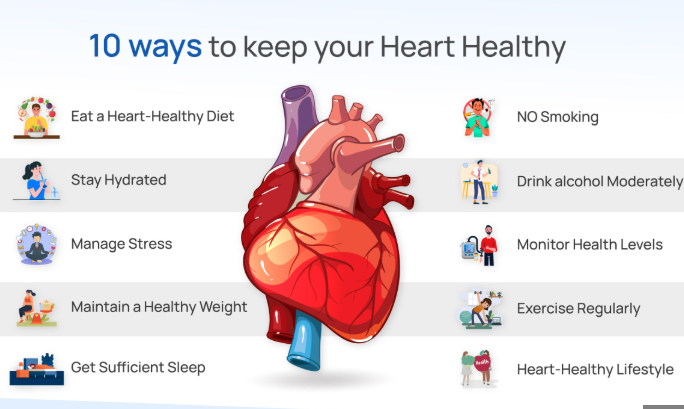
Discovering calm routines for circulation wellness can be a gentle and rewarding journey toward feeling more balanced each day. Modern life often encourages fast schedules, long hours of sitting, and constant digital engagement, all of which may contribute to feelings of tension or sluggishness in the body. By thoughtfully introducing peaceful daily habits, it becomes possible to support natural circulation in ways that feel comforting, safe, and sustainable. Rather than dramatic lifestyle changes, small consistent steps can help build a sense of vitality while supporting overall wellbeing.
Circulation wellness is closely connected to how we move, rest, and manage daily stress. When daily rhythms become rushed or irregular, the body may not receive the supportive environment it needs to maintain steady energy levels. Calm routines provide a practical way to slow down and reconnect with simple activities that encourage gentle movement and relaxation. Over time, these routines can create a positive ripple effect, helping individuals feel more grounded and refreshed as they go about their responsibilities.
One approachable starting point is mindful morning movement. Beginning the day with light stretching or slow walking allows the body to awaken gradually. This type of movement can help promote a sense of flow without putting pressure on joints or muscles. Even a few minutes spent rotating the shoulders, extending the arms, or taking measured steps around a familiar space can make a meaningful difference. The goal is not intensity but consistency, allowing the body to transition from rest to activity in a supportive way.
Breathing awareness also plays an important role in calm circulation routines. Taking time to focus on slow, steady breathing can help ease feelings of stress that may arise from busy schedules or unexpected challenges. When breathing becomes more relaxed, the body often responds with a greater sense of comfort and ease. Practicing this awareness while sitting quietly, enjoying natural surroundings, or listening to gentle sounds can transform a simple moment into a restorative experience. These small pauses can be repeated throughout the day whenever needed.
Hydration is another subtle yet valuable factor in circulation wellness. Drinking water regularly supports the body’s natural processes and helps maintain overall balance. Creating a habit of sipping water during quiet moments, such as reading, journaling, or taking a short break from work, can make hydration feel less like a task and more like a pleasant ritual. Warm herbal beverages or lightly flavored water can also contribute to a calming atmosphere while encouraging consistent intake.
Equally important is the role of posture and body awareness during daily activities. Many people spend long periods seated, which may lead to stiffness or discomfort. By paying attention to how the body is positioned, it becomes easier to introduce gentle adjustments that support comfort. Sitting upright with relaxed shoulders, placing both feet on the floor, or standing to stretch periodically can help maintain a sense of physical ease. These adjustments are simple yet powerful tools for nurturing circulation wellness in everyday environments.
Calm routines can also be enhanced by incorporating moments of intentional rest. Short relaxation breaks allow the mind and body to reset, particularly during demanding days. Rest does not always require sleep; it may involve closing the eyes for a few minutes, listening to soothing music, or practicing quiet reflection. Such pauses can help create a balanced rhythm between activity and restoration. Over time, individuals often notice that these moments of stillness contribute to improved focus and a more stable mood.
Gentle outdoor experiences offer another pathway to circulation wellness. Spending time in fresh air and natural light can feel uplifting while encouraging light physical movement. Walking through a park, tending to a small garden, or simply observing the changing colors of the sky can bring a sense of connection to the environment. These experiences do not need to be lengthy or structured. Even brief encounters with nature can inspire calm and help individuals feel more present in their daily lives.
Nutrition habits also influence how circulation routines are experienced. Choosing balanced meals that include a variety of fresh ingredients can support overall vitality. Eating slowly and mindfully allows the body to recognize signals of comfort and satisfaction. Preparing meals in a relaxed setting, perhaps with soft music or natural light, can transform nourishment into a calming ritual. Over time, this mindful approach may help reinforce positive patterns that contribute to long-term wellness.
Evening routines present another valuable opportunity to support circulation wellness. As the day comes to a close, shifting toward quieter activities can help the body prepare for restful sleep. Gentle stretching, warm baths, or simple reflection on the day’s experiences can encourage relaxation. Limiting exposure to stimulating content and bright screens may further enhance the calming effect. By ending the day with peaceful habits, individuals can create a supportive foundation for consistent rest and recovery.
Social connections also play a subtle role in maintaining circulation wellness. Sharing calm activities with friends or family members can strengthen emotional bonds while promoting healthy routines. Taking a leisurely walk together, practicing breathing exercises in a group setting, or preparing nourishing meals as a shared experience can make wellness feel more enjoyable and sustainable. Positive interactions often bring a sense of encouragement that supports long-term commitment to self-care practices.
Discovering calm routines for circulation wellness is ultimately about cultivating awareness and kindness toward the body. Each person’s journey may look slightly different, shaped by individual preferences, cultural traditions, and daily responsibilities. By focusing on gentle consistency rather than perfection, it becomes easier to build habits that feel authentic and supportive. Over time, these routines can contribute to a more balanced lifestyle, helping individuals move through their days with greater comfort and confidence.
In a world that often values speed and productivity, choosing calmness can feel like a meaningful act of self-respect. Circulation wellness does not require complex strategies or intense schedules. It grows from simple actions repeated with care and intention. By embracing mindful movement, steady breathing, nourishing choices, and moments of rest, anyone can begin to discover a personal rhythm that supports both physical and emotional wellbeing. This steady approach allows wellness to unfold naturally, creating space for renewed energy and a deeper sense of calm in everyday life.