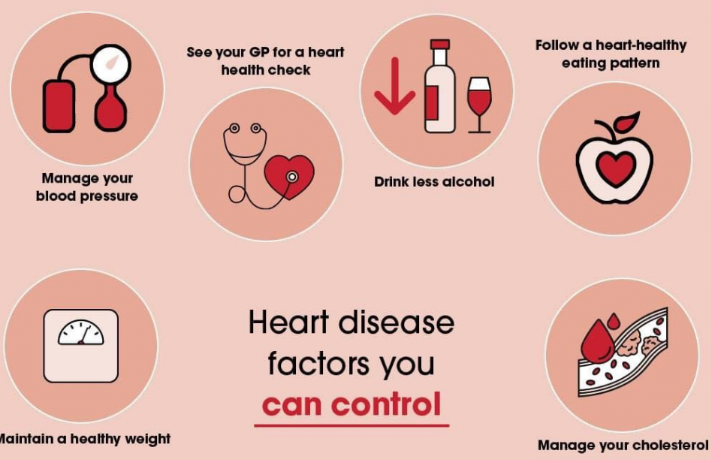
Learning to stay consistent with cardiovascular care is one of the most meaningful investments a person can make in long-term health and overall quality of life. The heart works tirelessly every moment, supporting every movement, thought, and experience. Yet many people only begin to focus on heart health after a concerning symptom or medical advice prompts change. Developing a steady, sustainable approach to cardiovascular care can help prevent complications, improve daily energy, and create a strong foundation for lifelong wellness.
Consistency often begins with understanding why cardiovascular health matters. The heart and blood vessels form a complex system that delivers oxygen and nutrients throughout the body. When this system functions efficiently, people tend to feel more alert, resilient, and capable of handling everyday demands. By contrast, inconsistent habits such as poor nutrition, inactivity, or irregular medical follow-ups may gradually strain the cardiovascular system. Recognizing the value of prevention can motivate individuals to adopt supportive routines that are easier to maintain over time.
One of the most effective ways to build consistency is by setting realistic expectations. Many people approach heart health with ambitious plans that are difficult to sustain. For example, committing to intense exercise routines or drastic dietary changes may feel inspiring at first but can lead to frustration if they prove overwhelming. A more practical strategy is to begin with manageable adjustments, such as adding short walks to daily schedules or choosing balanced meals more frequently. Small steps can build confidence and encourage steady progress, helping individuals remain committed without feeling pressured.
Creating a supportive environment also plays a crucial role in maintaining cardiovascular care routines. Family members, friends, and community networks can provide encouragement, accountability, and shared motivation. Engaging in physical activities together or discussing healthy lifestyle goals can make positive habits feel more enjoyable and less like obligations. In addition, arranging living spaces to support heart-friendly choices, such as keeping nutritious foods readily available or designating areas for exercise, can help make consistency feel natural and accessible.
Regular communication with qualified healthcare professionals contributes to confidence and clarity. Routine checkups, screenings, and personalized guidance can help individuals better understand their cardiovascular status and identify practical ways to maintain or improve it. When people feel informed and supported, they are more likely to follow through with recommended plans. Building trust in medical advice and maintaining open dialogue can transform cardiovascular care from a reactive process into a proactive partnership focused on long-term wellbeing.
Another important aspect of staying consistent is learning to adapt to life’s changing circumstances. Work schedules, family responsibilities, travel, and unexpected challenges can disrupt even the most carefully planned routines. Rather than viewing interruptions as failures, it is helpful to see them as opportunities to adjust and refine strategies. For instance, if time constraints limit access to a gym, home-based activities or outdoor movement can offer practical alternatives. Flexibility helps maintain momentum while reducing the likelihood of abandoning cardiovascular care efforts altogether.
Emotional wellbeing is closely connected to heart health, and addressing stress in a constructive way can support consistency. Many individuals find that relaxation techniques, creative hobbies, or time spent in nature help them maintain balance. Developing simple rituals such as mindful breathing or quiet reflection can promote calmness and resilience. By acknowledging the emotional side of cardiovascular care, people can build habits that nourish both physical and mental health, making their routines more meaningful and sustainable.
Monitoring progress can also reinforce motivation. Keeping track of daily activities, energy levels, or health indicators allows individuals to recognize improvements that might otherwise go unnoticed. Celebrating gradual achievements can strengthen commitment and create a positive feedback loop. For example, noticing increased stamina during walks or improved sleep quality can serve as encouraging reminders that consistent cardiovascular care is making a difference. These small victories help transform healthy choices into lasting habits.
Education remains a powerful tool in supporting consistent heart care. Reliable information about nutrition, movement, rest, and preventive measures empowers individuals to make informed decisions. Learning about the body’s responses to different lifestyle factors can inspire curiosity and personal responsibility. When people understand the reasons behind recommendations, they are more likely to integrate them into daily life. Accessing trustworthy resources and asking thoughtful questions during medical consultations can help build a strong knowledge base for ongoing care.
Technology can offer helpful support when used thoughtfully. Many people benefit from digital reminders, activity tracking tools, or virtual wellness programs that encourage regular engagement with cardiovascular goals. These resources can provide structure and inspiration, especially for those who prefer guided routines. However, it is important to maintain balance and avoid becoming overwhelmed by excessive data or unrealistic comparisons. Using technology as a supportive companion rather than a strict measure of success can promote a healthier, more positive mindset.
Patience is essential in developing lasting consistency. Cardiovascular improvements often occur gradually, and it may take time to experience noticeable changes. Accepting that progress unfolds at a personal pace can reduce discouragement and foster perseverance. Instead of focusing solely on outcomes, individuals can find satisfaction in the process itself, appreciating each step toward better heart health. Cultivating patience helps transform cardiovascular care into a lifelong journey rather than a short-term objective.
Ultimately, learning to stay consistent with cardiovascular care involves blending practical strategies with compassionate self-awareness. By setting achievable goals, seeking guidance, adapting to change, and nurturing emotional balance, individuals can create routines that feel both manageable and rewarding. Consistency is not about perfection but about returning to supportive habits again and again. Over time, these repeated choices can strengthen the heart, enhance vitality, and contribute to a more confident and fulfilling approach to health.