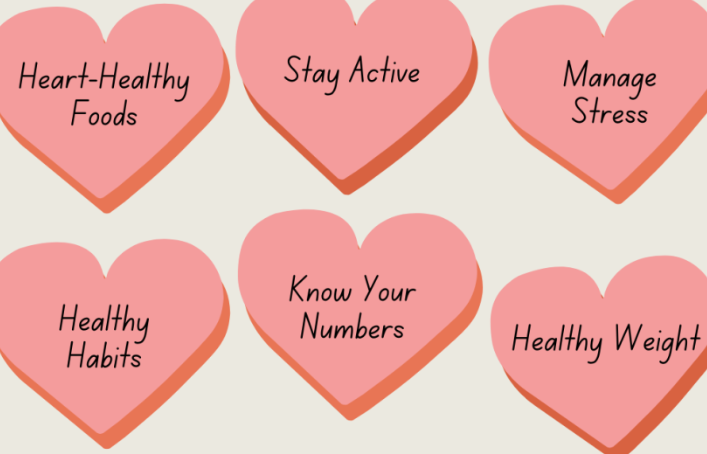
Taking care of your heart is one of the most valuable gifts you can give yourself. A healthy heart supports your energy, mood, and overall well-being, helping you live a fuller and more active life. While modern life can feel busy and demanding, small positive lifestyle choices can make a meaningful difference in maintaining strong cardiovascular health. By focusing on balance, consistency, and self-awareness, you can build habits that support your heart for years to come.
One of the most effective ways to support heart health is through regular physical activity. Movement helps improve circulation, strengthen the heart muscle, and maintain a healthy weight. You do not need intense workouts or complicated routines to see benefits. Simple activities such as walking, cycling, stretching, dancing, or gardening can help you stay active and reduce stress. The key is to choose activities you enjoy so that exercise becomes a natural part of your daily routine rather than a burden.
Healthy eating habits also play a major role in protecting your heart. A balanced diet rich in fruits, vegetables, whole grains, nuts, seeds, and lean protein can provide essential nutrients that help regulate blood pressure and cholesterol levels. Limiting highly processed foods, excessive sugar, and saturated fats can further support long-term wellness. Drinking enough water throughout the day helps maintain healthy blood flow and supports overall body function. Instead of focusing on strict restrictions, aim for mindful and enjoyable meals that nourish both your body and your mood.
Managing stress in a positive way is another important step toward maintaining heart health. Emotional strain and constant pressure can affect sleep quality, energy levels, and lifestyle choices. Taking time to relax and recharge is not selfish; it is necessary for balance. Activities such as deep breathing, meditation, listening to music, or spending time in nature can help calm the mind and improve resilience. Even short moments of rest can make a noticeable difference in how your body responds to everyday challenges.
Quality sleep is often overlooked but has a strong connection to heart wellness. During sleep, your body repairs and restores itself, including important systems that support cardiovascular health. Establishing a consistent bedtime routine and creating a comfortable sleep environment can help you get the rest you need. Limiting late-night screen time and caffeine intake may also improve sleep patterns. When you wake up feeling refreshed, you are more likely to make positive decisions throughout the day.
Maintaining a healthy weight is another supportive factor for heart health. This does not mean striving for unrealistic standards or sudden changes. Instead, focus on gradual improvements through balanced nutrition and regular movement. Setting achievable goals and celebrating small successes can help you stay motivated. A positive mindset encourages long-term commitment rather than short-term fixes.
Building strong social connections can also contribute to a healthier heart. Positive relationships offer emotional support, reduce feelings of isolation, and promote a sense of belonging. Spending time with family, friends, or community groups can boost mood and encourage active lifestyles. Even simple conversations and shared activities can strengthen both emotional and physical well-being. Kindness, laughter, and meaningful interactions have a powerful effect on overall health.
Avoiding harmful habits is equally important for maintaining heart strength. Reducing or eliminating exposure to substances that may negatively affect cardiovascular function can help protect long-term wellness. Making informed lifestyle choices and seeking reliable guidance when needed can empower you to take control of your health journey. Every positive decision, no matter how small, contributes to a stronger foundation for the future.
Regular health checkups provide valuable insight into how your heart is functioning. Monitoring key indicators such as blood pressure, cholesterol levels, and general fitness can help you stay informed and proactive. Early awareness allows you to make adjustments that support prevention rather than reaction. Working with qualified professionals and following recommended advice can build confidence in your personal health plan.
Cultivating a positive outlook is another meaningful way to support heart health. Optimism and gratitude can reduce stress and encourage healthier behaviors. Practicing self-compassion and focusing on progress rather than perfection helps create sustainable habits. When you treat yourself with patience and understanding, you are more likely to stay committed to positive living.
Daily routines can be powerful tools for lasting change. Simple actions such as taking the stairs, preparing home-cooked meals, stretching in the morning, or enjoying a quiet moment of reflection can add up over time. Consistency is often more important than intensity. By integrating small healthy choices into your everyday life, you create a lifestyle that naturally supports heart wellness.
It is also helpful to stay informed about general wellness topics and remain open to learning. Health knowledge continues to evolve, and understanding new perspectives can inspire positive adjustments. Reading reliable resources, attending community events, or discussing goals with supportive individuals can keep you motivated and engaged.
Ultimately, maintaining heart health is about creating balance between physical care, emotional well-being, and mindful living. There is no single perfect approach, but a combination of healthy habits can help you build resilience and vitality. By choosing positivity, staying active, eating thoughtfully, resting well, and nurturing relationships, you invest in a future filled with energy and opportunity.
Every step you take toward a healthier lifestyle is a meaningful achievement. With patience and consistency, positive living becomes a natural and rewarding journey that supports not only your heart but your overall quality of life.