Circulation wellness awareness is an important part of overall health that many people overlook until discomfort or fatigue begins to interfere with daily life. Healthy circulation helps the body deliver oxygen and nutrients to vital organs, muscles, and tissues, while also supporting the removal of waste products. When people become more aware of how circulation affects their well-being, they can make practical lifestyle choices that encourage comfort, energy, and long-term vitality. By focusing on simple, consistent habits, individuals can take meaningful steps toward maintaining balanced circulation and supporting their general wellness.
Understanding circulation wellness begins with recognizing how everyday routines influence blood flow. The heart, blood vessels, and blood itself work together as a continuous transportation system. When this system functions smoothly, the body feels energized and capable. When circulation becomes less efficient, people may notice feelings such as cold extremities, heaviness in the legs, or reduced stamina. Raising awareness about these signals can motivate positive action and inspire healthier routines that fit naturally into modern lifestyles.
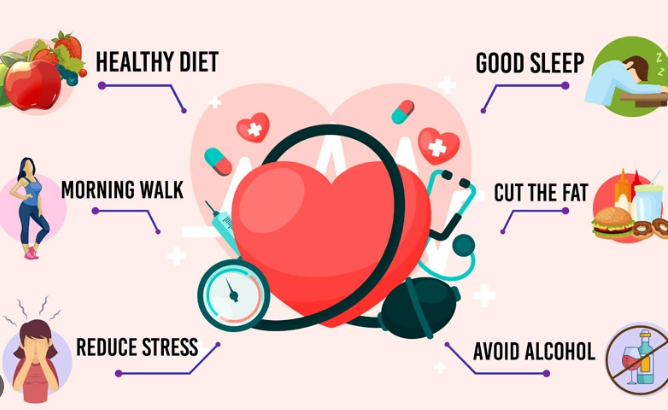
One practical step toward supporting circulation wellness is staying physically active in ways that feel enjoyable and sustainable. Movement encourages muscles to contract and relax, which assists the body’s natural circulation processes. Activities such as walking, stretching, swimming, or cycling can be easily adapted to different fitness levels and schedules. Even gentle daily movement can make a noticeable difference in how the body feels. Consistency is often more beneficial than intensity, and building a routine that blends movement with relaxation can help individuals stay committed to their wellness goals.
Hydration also plays a valuable role in circulation awareness. Drinking enough fluids supports healthy blood volume and helps the body maintain comfortable functioning throughout the day. Many people underestimate how small adjustments in hydration habits can influence energy levels and physical comfort. Choosing water regularly and paying attention to thirst signals can become a simple yet effective part of a circulation wellness plan. In warmer climates or during periods of increased activity, mindful hydration becomes even more important.
Balanced nutrition is another key element that contributes to circulation wellness awareness. Foods that provide a range of vitamins, minerals, and natural nutrients can help support the body’s daily processes. Fresh fruits, vegetables, whole grains, and lean sources of protein are often recommended as part of a varied and nourishing diet. Incorporating colorful, wholesome ingredients into meals not only supports circulation but also enhances overall vitality. Eating mindfully and enjoying meals at a relaxed pace can further reinforce positive wellness habits.
Rest and relaxation should not be overlooked when discussing circulation awareness. Adequate sleep allows the body time to repair and restore itself, supporting many systems, including those related to circulation. Creating a calming bedtime routine and maintaining consistent sleep patterns can improve daily comfort and focus. Relaxation techniques such as gentle breathing exercises or quiet moments of reflection may also help reduce tension and encourage a sense of balance.
Posture and body positioning can influence how comfortably blood moves throughout the body. Long periods of sitting or standing in one position may contribute to feelings of stiffness or fatigue. Taking short breaks to stretch or shift posture can help maintain circulation and prevent unnecessary strain. Ergonomic awareness in workspaces and at home can be a helpful step for people who spend extended hours using digital devices or performing repetitive tasks.
Circulation wellness awareness also involves recognizing the importance of supportive clothing and footwear. Comfortable, well-fitting garments allow natural movement and reduce unnecessary pressure on the body. Shoes that provide stability and cushioning can encourage people to stay active for longer periods without discomfort. Paying attention to how the body feels during daily activities can guide thoughtful choices that enhance overall well-being.
Emotional wellness is closely connected to physical circulation health. Stress and worry may influence how the body responds to everyday challenges, sometimes affecting energy and comfort levels. Building habits that promote calmness and resilience can support both mental and physical wellness. Activities such as spending time in nature, connecting with loved ones, or engaging in creative hobbies can create a positive environment that nurtures circulation awareness and holistic health.
Regular wellness checkups and open communication with qualified health professionals can also play an important role in circulation awareness. Learning more about personal health patterns helps individuals make informed decisions that align with their unique needs. Preventive care and early attention to changes in comfort or stamina can support long-term confidence and peace of mind. Staying informed empowers people to take ownership of their wellness journey while respecting professional guidance.
Community awareness can further strengthen circulation wellness efforts. Sharing knowledge with friends, family members, or local groups encourages supportive conversations and collective motivation. When people work together to promote healthier routines, they often find it easier to stay consistent and inspired. Educational workshops, wellness events, or simple neighborhood activities can build a sense of connection that benefits everyone involved.
Technology can also contribute to practical circulation wellness awareness in a positive and responsible way. Wearable devices, wellness apps, and online educational resources can help individuals monitor activity levels and learn about healthy habits. Using such tools mindfully allows people to track progress without becoming overwhelmed by data. The goal is to enhance awareness, not to create pressure, and a balanced approach ensures that technology remains a helpful companion rather than a source of stress.
Ultimately, practical steps toward circulation wellness awareness revolve around creating a lifestyle that values movement, nourishment, rest, and emotional balance. Small, thoughtful adjustments can lead to meaningful improvements in comfort and daily performance. By paying attention to the body’s signals and responding with supportive habits, individuals can build confidence in their ability to maintain wellness over time. Circulation awareness is not about perfection or rigid routines but about cultivating a friendly, sustainable approach to health that grows naturally with each positive choice.
As awareness continues to expand, more people are discovering that circulation wellness is closely tied to overall quality of life. Encouraging education, supportive environments, and realistic goal setting can help individuals stay engaged in their wellness journey. With patience and consistency, practical actions can foster a sense of vitality that enhances both physical comfort and emotional satisfaction. Through ongoing awareness and simple daily efforts, circulation wellness can become a lasting foundation for healthier living.