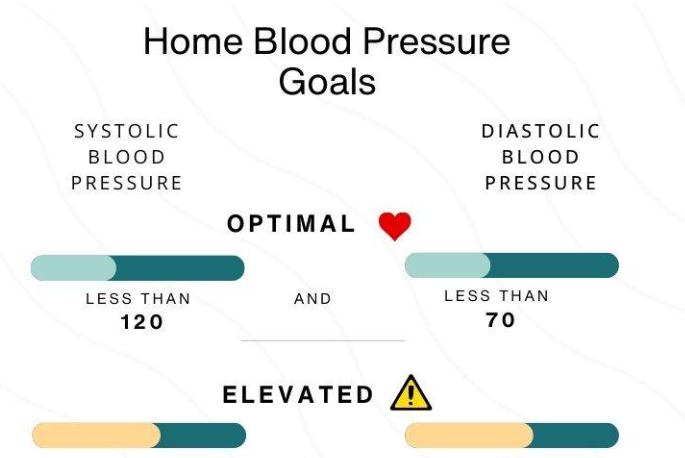
Creating a daily wellness routine can be a meaningful step toward supporting balanced blood pressure and overall vitality. Many people find that simple, consistent lifestyle habits help them feel more energized, focused, and comfortable in their daily lives. A thoughtful routine does not have to be complicated or restrictive. Instead, it can be built gradually with positive choices that fit naturally into your schedule and preferences.
Blood pressure is influenced by a wide range of factors, including physical activity, stress levels, sleep patterns, and nutrition. While every person’s body is unique, a supportive routine often combines several healthy behaviors that work together over time. The key is consistency and a mindset that values steady progress rather than perfection.
A good place to begin is by paying attention to how you start your day. Morning habits can set the tone for both mental and physical wellbeing. Many people benefit from waking at a consistent time, allowing the body’s internal clock to maintain a steady rhythm. Gentle stretching, light movement, or a few moments of quiet reflection can help you transition from sleep to activity in a calm and balanced way. Drinking a glass of water soon after waking can also support hydration and help you feel refreshed.
Physical activity plays an important role in supporting cardiovascular wellness. You do not need intense or lengthy workouts to see positive effects. Activities such as brisk walking, cycling at a comfortable pace, swimming, or practicing yoga can help improve circulation and encourage a healthy heart rhythm. Choosing activities you genuinely enjoy makes it more likely that you will continue them regularly. Even short sessions spread throughout the week can make a meaningful difference.
Nutrition is another important element of a wellness routine that supports blood pressure health. Many individuals find that focusing on whole, minimally processed foods helps them feel more balanced and satisfied. Meals that include fruits, vegetables, whole grains, lean proteins, and healthy fats can contribute to steady energy levels throughout the day. Preparing meals at home when possible allows you to be more aware of ingredients and portion sizes. Simple adjustments, such as experimenting with herbs and spices for flavor instead of relying heavily on salt, can support a more heart-conscious approach to eating.
Mindful eating habits can also be beneficial. Taking time to enjoy meals without rushing or distractions allows you to notice hunger and fullness cues more clearly. This practice can support digestion and help create a more positive relationship with food. Some people find it helpful to plan meals ahead of time to reduce stress and make healthier choices more convenient during busy days.
Stress management is a powerful yet often overlooked part of maintaining balanced blood pressure. Daily responsibilities, work demands, and personal challenges can sometimes lead to tension that affects both emotional and physical wellbeing. Integrating simple relaxation practices into your routine can help you feel more centered. Techniques such as deep breathing, meditation, journaling, or spending time in nature can offer moments of calm and renewal. Even a few minutes of intentional relaxation each day can help create a sense of stability.
Quality sleep is closely linked with overall cardiovascular health. Establishing a consistent sleep schedule can help your body maintain natural cycles that support rest and recovery. Creating a peaceful bedtime routine may include dimming lights, reducing screen time, and engaging in calming activities like reading or listening to gentle music. A comfortable sleep environment with supportive bedding and a quiet atmosphere can make it easier to fall asleep and stay asleep through the night.
Staying connected with supportive people can also play a positive role in a wellness routine. Meaningful conversations, shared activities, and emotional encouragement contribute to a sense of belonging and wellbeing. Whether it is spending time with family, meeting friends for a walk, or participating in community events, social connection can help reduce feelings of isolation and promote a more optimistic outlook.
Another helpful strategy is monitoring your progress in a balanced and nonjudgmental way. Some individuals choose to keep a simple journal that tracks daily habits such as physical activity, hydration, or sleep duration. This can offer insight into patterns and motivate you to maintain positive behaviors. Celebrating small achievements along the way can reinforce your commitment and build confidence.
Hydration is often an easy yet impactful part of supporting overall health. Drinking enough fluids throughout the day helps the body perform essential functions efficiently. Carrying a reusable water bottle or setting gentle reminders can make it easier to stay consistent. Herbal teas or naturally flavored water can provide variety while supporting hydration goals.
Limiting habits that may place unnecessary strain on the body can also be beneficial. Many people find that reducing excessive intake of highly processed foods or sugary beverages supports their overall sense of wellbeing. Choosing balanced alternatives and practicing moderation allows you to enjoy a flexible routine without feeling deprived.
It is important to remember that building a wellness routine is a personal journey. What works for one person may not feel right for another. Listening to your body, adapting your habits, and seeking guidance from qualified health professionals when needed can help you make informed decisions. A supportive routine is one that evolves with your needs and respects your individual circumstances.
Over time, consistent healthy habits can contribute to a greater sense of control and confidence in managing daily life. By focusing on simple actions such as regular movement, nourishing meals, stress awareness, and restful sleep, you create a foundation that supports both physical and emotional balance. Approaching wellness with patience and kindness toward yourself can make the process more enjoyable and sustainable.
Ultimately, a routine that supports blood pressure health is not about strict rules or dramatic changes. It is about creating a lifestyle that encourages steady, positive choices. With thoughtful planning and a willingness to adjust along the way, you can develop habits that help you feel more resilient, energized, and ready to embrace each day with a sense of wellbeing.