Taking care of the heart is one of the most meaningful gifts people can offer themselves and their loved ones. The cardiovascular system works tirelessly every moment of the day, circulating oxygen and nutrients while supporting physical and emotional well-being. Developing confidence in heart-healthy habits does not require dramatic changes or complicated routines. Instead, it often begins with simple, positive steps that gradually become part of daily life. By building awareness, consistency, and self-trust, individuals can feel empowered to nurture their cardiovascular wellness in ways that are both sustainable and rewarding.
Confidence often grows from understanding. When people learn how lifestyle choices influence heart function, they can make decisions with greater clarity and purpose. Gentle education about balanced nutrition, regular movement, restful sleep, and stress management helps replace uncertainty with motivation. Rather than focusing on strict rules or perfection, a supportive mindset encourages curiosity and experimentation. This approach allows individuals to discover what works best for their unique needs, making heart-friendly habits feel personal and achievable.
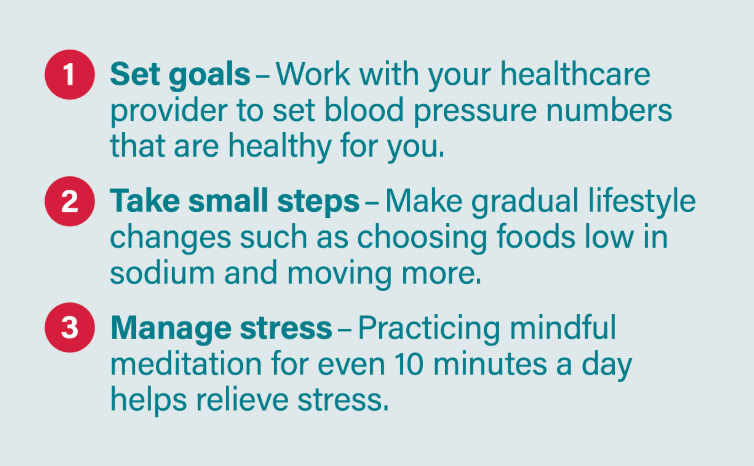
One helpful starting point is cultivating a positive relationship with physical activity. Movement supports circulation, energy levels, and overall vitality, yet it does not have to feel overwhelming. Activities such as walking in nature, stretching in the morning, or participating in light recreational sports can bring enjoyment while promoting cardiovascular strength. When exercise is framed as an opportunity for self-care instead of a chore, confidence naturally increases. People are more likely to stay committed when they celebrate progress, whether that means feeling less winded on a stroll or noticing improved mood after an active day.
Nutrition also plays a meaningful role in cardiovascular wellness. Confidence in food choices can develop through gradual adjustments rather than sudden restrictions. Emphasizing colorful fruits and vegetables, wholesome grains, and nourishing sources of protein can support heart health while allowing meals to remain satisfying and flavorful. Mindful eating practices, such as paying attention to hunger cues and savoring each bite, further enhance the sense of connection between body and nourishment. Over time, these gentle habits can help individuals trust their ability to make supportive decisions without feeling deprived.
Equally important is the role of rest and recovery. The heart benefits from a balanced rhythm that includes both activity and relaxation. Adequate sleep allows the body to repair and recharge, contributing to emotional resilience and physical stability. Establishing a calming evening routine, reducing exposure to overstimulation before bedtime, and maintaining consistent sleep schedules can help foster restorative rest. When people wake feeling refreshed, they often feel more confident in maintaining other wellness habits throughout the day.
Managing stress is another essential component of cardiovascular care. Life’s demands can sometimes create tension that affects both mental and physical health. Encouraging confidence in stress-management techniques can make a meaningful difference. Practices such as mindful breathing, gentle meditation, journaling, or creative expression provide outlets for releasing pressure. Even short moments of stillness during a busy day can support a sense of calm. As individuals learn to navigate challenges with steadiness, they strengthen not only their emotional well-being but also their heart health.
Social connections can further reinforce confidence in wellness routines. Sharing goals with supportive friends or family members creates a sense of accountability and encouragement. Group walks, cooking healthy meals together, or participating in community wellness activities can transform personal habits into shared experiences. This sense of belonging often motivates people to remain consistent while also bringing joy and inspiration. Feeling understood and supported helps build trust in one’s ability to continue caring for the heart over time.
Tracking progress in a gentle and non-judgmental way can also enhance motivation. Some individuals find it helpful to keep a simple record of activities, sleep patterns, or mood changes. This reflection provides valuable insight into how daily habits influence overall well-being. Celebrating small achievements, such as choosing a nourishing meal or completing a short workout, reinforces positive behavior. Confidence grows when people recognize that meaningful change often happens through steady, manageable steps.
Another valuable aspect of cardiovascular wellness is maintaining regular communication with qualified health professionals. Seeking guidance when needed can provide reassurance and personalized recommendations. Preventive checkups and open conversations about lifestyle habits help individuals stay informed while reducing anxiety about the unknown. Feeling supported by trusted expertise contributes to a sense of security, allowing people to focus on building sustainable routines rather than worrying about potential setbacks.
It is also important to acknowledge that confidence develops at different paces for everyone. Some days may feel easier than others, and occasional challenges are a natural part of any journey toward improved well-being. Approaching these moments with patience and self-compassion helps maintain long-term motivation. Instead of viewing obstacles as failures, individuals can treat them as opportunities to learn and adapt. This mindset fosters resilience and encourages continued commitment to heart-healthy choices.
Creating an environment that supports cardiovascular wellness can make daily habits feel more intuitive. Simple actions such as keeping fresh foods visible, setting aside time for movement, or arranging a comfortable space for relaxation can subtly guide behavior. When surroundings align with personal goals, healthy decisions often become second nature. Over time, these supportive cues help reinforce confidence and consistency without requiring constant effort.
The journey toward cardiovascular wellness is not solely about physical outcomes. It also involves nurturing a positive outlook and a sense of empowerment. When people believe in their ability to influence their well-being, they are more likely to engage in habits that sustain them. Encouraging confidence means highlighting strengths, acknowledging progress, and recognizing that each step forward contributes to a healthier future. This perspective transforms wellness from a distant aspiration into a daily practice rooted in self-respect and care.
Ultimately, encouraging confidence in cardiovascular habits is about creating a balanced and compassionate approach to health. By focusing on understanding, enjoyment, and gradual improvement, individuals can develop routines that feel both supportive and fulfilling. The heart thrives when it is cared for with consistency, kindness, and intention. As confidence grows, so does the ability to embrace wellness as an ongoing journey, one that enriches life with vitality, connection, and a deeper sense of well-being.