The heart is often described as the center of life, not only because it sustains the body physically but also because it symbolizes energy, warmth, and emotional balance. In today’s fast-moving world, many people are beginning to recognize the importance of nurturing their heart through mindful lifestyle choices. Encouraging lifestyle awareness for heart comfort is not about strict routines or overwhelming changes. Instead, it is about making small, thoughtful adjustments that support overall well-being and help individuals feel more at ease in their daily lives.
Lifestyle awareness begins with understanding the connection between daily habits and how the body feels. Many people spend long hours working, commuting, or managing responsibilities, often without realizing the toll this can take on physical comfort. When individuals take time to pause and reflect on their routines, they can discover opportunities to bring more balance into their lives. This awareness helps them become more attentive to their energy levels, mood, and general sense of vitality, all of which contribute to a feeling of heart comfort.
One important aspect of promoting heart comfort is encouraging gentle movement. Regular physical activity can be a pleasant and refreshing way to stay active while also supporting relaxation. Activities such as walking in a quiet park, stretching in the morning, or participating in a light recreational sport can help people reconnect with their bodies. Movement does not need to be intense to be beneficial. Even small efforts can help create a sense of lightness and ease, which many people associate with improved daily comfort.
Equally important is the role of restful sleep in fostering heart comfort. Quality sleep allows the body and mind to recover from daily stressors. Developing a consistent bedtime routine can help create a calm environment that encourages deeper rest. This might include reducing screen time in the evening, keeping the sleeping space comfortable and well-ventilated, and allowing time to unwind before going to bed. When individuals wake up feeling refreshed, they are more likely to approach their day with a positive outlook and a sense of stability.
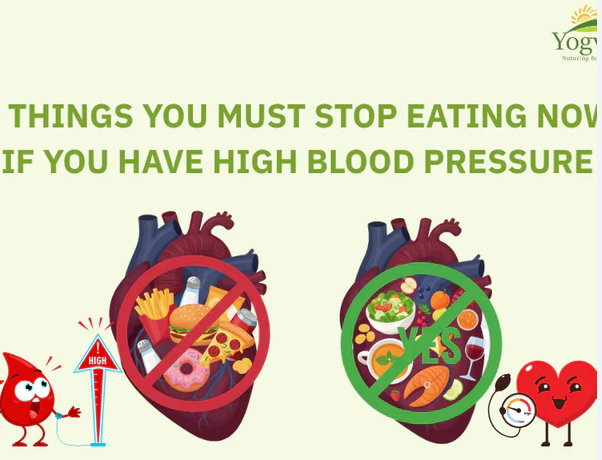
Nutrition also plays a meaningful role in encouraging lifestyle awareness. Choosing meals that are balanced and satisfying can contribute to sustained energy and overall comfort. People can benefit from being mindful of portion sizes, staying hydrated, and enjoying a variety of foods that provide nourishment. Preparing meals at home or sharing food with family and friends can transform eating into a moment of connection and enjoyment rather than a rushed obligation. This mindful approach to nourishment supports both physical comfort and emotional well-being.
Stress management is another essential component of heart comfort. Modern life often presents situations that feel demanding or overwhelming. Learning how to respond to stress in constructive ways can help individuals maintain a steady sense of calm. Relaxation practices such as deep breathing, meditation, or quiet reflection can be incorporated into daily routines without requiring extensive time or resources. By setting aside moments to focus on the present, people may find that they feel more grounded and capable of handling challenges with greater ease.
Social relationships can also influence how individuals experience comfort in their lives. Spending time with supportive friends, family members, or community groups can foster a sense of belonging and emotional warmth. Meaningful conversations, shared activities, and acts of kindness all contribute to a positive environment that encourages people to care for themselves and others. This social connection can help reduce feelings of isolation and promote a more balanced lifestyle that nurtures both the heart and the mind.
In addition to these practical considerations, cultivating a positive mindset can make a significant difference in how people perceive their daily experiences. Developing gratitude for small moments, celebrating personal achievements, and maintaining realistic expectations can help individuals feel more content and motivated. When people view lifestyle awareness as an ongoing journey rather than a fixed goal, they are more likely to stay engaged and open to learning. This gentle, flexible perspective allows for gradual improvement without unnecessary pressure.
Creating supportive surroundings is another way to encourage heart comfort. Living or working in a clean, organized space can contribute to a sense of calm and focus. Simple actions such as allowing natural light into a room, incorporating plants, or reducing clutter can have a surprisingly uplifting effect. When the environment feels welcoming and peaceful, individuals may find it easier to relax and concentrate on positive lifestyle habits.
Technology, while useful, can sometimes disrupt lifestyle balance if not managed carefully. Becoming aware of how much time is spent on digital devices can help people create healthier boundaries. Taking regular breaks from screens, engaging in offline hobbies, or spending time outdoors can bring a refreshing change of pace. These mindful choices can help restore mental clarity and promote a feeling of heart comfort that supports long-term well-being.
Encouraging lifestyle awareness also involves listening to one’s own needs and recognizing when it is time to slow down. Everyone’s path to comfort is unique, and what works for one person may not work for another. By paying attention to personal preferences and signals from the body, individuals can create routines that feel natural and sustainable. This self-awareness empowers people to make decisions that align with their values and aspirations.
Communities and workplaces can play a supportive role in promoting heart comfort by encouraging balanced schedules and respectful communication. When environments value well-being alongside productivity, individuals may feel more motivated and confident in maintaining healthy habits. Educational initiatives, wellness programs, and shared activities can help foster a culture that celebrates mindful living and mutual support.
Ultimately, encouraging lifestyle awareness for heart comfort is about nurturing a harmonious relationship between body, mind, and daily surroundings. It invites individuals to take small, positive steps that enhance their sense of ease and fulfillment. By focusing on gentle movement, restful sleep, balanced nutrition, stress management, social connection, and a supportive environment, people can gradually build a lifestyle that promotes comfort and resilience. This approach does not demand perfection but instead encourages continuous learning and self-care. Through mindful awareness and consistent effort, heart comfort can become an attainable and rewarding part of everyday life.