Living in a way that supports heart health does not have to feel overwhelming or restrictive. In fact, it can become a positive and uplifting journey that brings more balance, energy, and joy into everyday life. Heart friendly living is about making small, consistent choices that nurture both physical wellness and emotional wellbeing. When daily habits are built with encouragement and kindness toward oneself, long-term health goals often feel more achievable and sustainable.
One of the most powerful ways to care for the heart is by cultivating a gentle and mindful morning routine. Starting the day with calm intention can set a supportive tone for everything that follows. Simple practices such as stretching, deep breathing, or taking a few moments to appreciate the day ahead can help regulate stress levels. Chronic stress is widely known to place strain on the body, so learning to slow down and focus on the present moment can be an important step toward heart friendly living. Even a short walk outdoors in the fresh air can create a sense of renewal and provide a natural boost in mood and circulation.
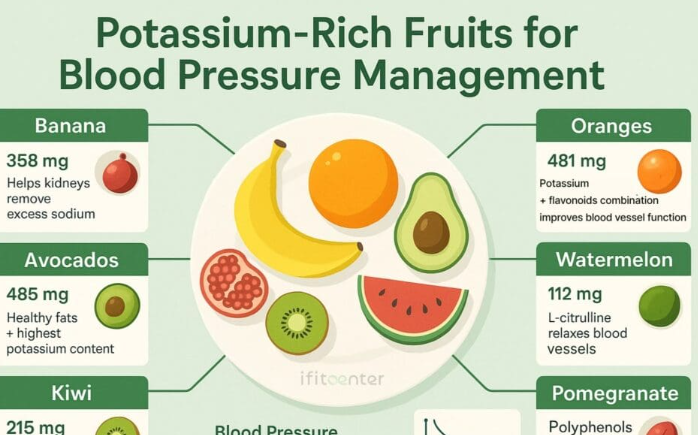
Nutrition also plays an essential role in maintaining heart wellbeing. Rather than focusing on restriction, it can be helpful to think in terms of adding nourishing foods that support vitality. Colorful fruits, fresh vegetables, whole grains, and balanced meals can contribute to overall wellness when enjoyed regularly. Preparing meals at home may offer opportunities to connect with loved ones and build a deeper appreciation for wholesome ingredients. Eating slowly and mindfully allows the body to respond more comfortably to hunger and fullness cues, creating a more positive relationship with food over time.
Hydration is another encouraging habit that is often overlooked. Drinking enough water throughout the day can help maintain energy and support normal bodily functions. Keeping a reusable bottle nearby can serve as a friendly reminder to stay refreshed. Some people find it helpful to pair hydration with existing routines, such as having a glass of water after waking up or before each meal. Over time, these simple associations can make healthy choices feel automatic rather than forced.
Physical activity does not have to mean intense or exhausting workouts. Heart friendly living encourages movement that feels enjoyable and sustainable. Activities such as dancing, gardening, cycling, or walking with a friend can provide both social connection and gentle exercise. When movement is approached with curiosity and enjoyment rather than pressure, it becomes easier to maintain consistency. Listening to the body’s signals and allowing time for rest and recovery can help create a balanced rhythm that supports long-term wellness.
Sleep is another pillar of daily heart friendly habits. A consistent sleep schedule can contribute to improved mood, clearer thinking, and a stronger sense of resilience. Creating a calming evening routine may help signal to the body that it is time to unwind. Soft lighting, quiet reading, or relaxing music can encourage a peaceful transition into rest. Limiting late-night screen exposure and maintaining a comfortable sleep environment are additional steps that may support restorative sleep patterns.
Emotional wellbeing is closely connected to heart health. Positive relationships, meaningful conversations, and shared laughter can all bring a sense of warmth and belonging. Making time to connect with friends, family, or community members can strengthen emotional support networks. Acts of kindness, whether giving or receiving, often create uplifting experiences that contribute to a more optimistic outlook. Practicing gratitude by noticing small moments of joy each day can also foster a mindset that supports overall wellness.
Another encouraging habit involves managing daily responsibilities in a way that reduces unnecessary pressure. Organizing tasks into manageable steps and celebrating progress can help maintain motivation. It may be helpful to set realistic expectations and allow flexibility when plans change. A gentle approach to productivity often leads to greater satisfaction and less tension. Learning to pause, reflect, and reset during busy periods can protect both mental and physical energy.
Limiting exposure to environments or behaviors that create strain can also be part of heart friendly living. Choosing uplifting media, engaging in hobbies that bring fulfillment, and spending time in nature may contribute to a calmer and more balanced lifestyle. Many people discover that creative activities such as drawing, cooking, writing, or music offer healthy outlets for expression and relaxation. These moments of creativity can nurture the spirit while supporting overall wellbeing.
Routine health awareness is another supportive practice. Paying attention to how the body feels and seeking professional guidance when needed can help individuals make informed decisions about their wellness journey. Preventive care and open communication with trusted experts can provide reassurance and clarity. Taking an active interest in personal health does not have to be stressful; it can instead be viewed as an empowering way to build confidence and peace of mind.
Consistency remains the key to meaningful change. Rather than striving for perfection, heart friendly living encourages steady progress and self-compassion. Small actions repeated daily often lead to lasting benefits. Recognizing achievements, no matter how minor they may seem, can strengthen motivation and inspire continued growth. Over time, these encouraging habits can blend seamlessly into daily routines, creating a lifestyle that feels natural and rewarding.
Ultimately, heart friendly living is about creating a supportive environment in which the body and mind can thrive. It involves nurturing positive habits, embracing balance, and maintaining a hopeful perspective. By focusing on simple steps that promote comfort, connection, and vitality, individuals can build a foundation for long-term wellness. Each day offers new opportunities to make choices that align with a healthier and more fulfilling way of life.