Circulation wellness plays an essential role in how we feel each day. When blood flows efficiently through the body, it delivers oxygen and nutrients that help organs, muscles, and tissues function smoothly. Many people think of circulation as something that only matters later in life, yet daily habits at any age can influence how well the cardiovascular system performs. By embracing positive living practices, it becomes possible to support healthy circulation in ways that feel natural, uplifting, and sustainable.
Positive living begins with awareness. Paying attention to how the body feels during different activities can inspire thoughtful choices. Gentle sensations such as warmth in the hands after movement or a sense of calm after a balanced meal may signal that circulation is being supported. Rather than approaching wellness with worry or strict rules, a friendly mindset encourages consistency. Viewing each day as an opportunity to nurture vitality helps create a supportive environment for circulation to thrive.
Physical activity is one of the most effective ways to encourage healthy blood flow. Movement stimulates the heart and muscles, assisting the body in transporting nutrients where they are needed. Activities do not need to be intense or complicated. A relaxed morning stretch, a walk in fresh air, or dancing to favorite music can all contribute to a more active lifestyle. When movement is enjoyable, it becomes easier to maintain, and regular participation helps build lasting circulation-supporting habits.
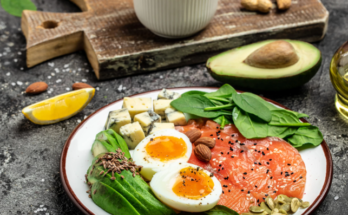
Balanced nutrition also plays a valuable role. A colorful variety of fruits, vegetables, whole grains, and nourishing proteins can help provide the building blocks the body uses to maintain normal function. Staying hydrated throughout the day supports overall wellness and may contribute to comfortable circulation. Rather than focusing on restrictions, positive living highlights the pleasure of exploring wholesome foods and discovering satisfying ways to prepare them. Sharing meals with family or friends can further enhance emotional wellbeing, which may indirectly benefit physical health.
Rest and relaxation are equally important components of circulation wellness. Sleep allows the body to recover and maintain internal balance. Establishing a calming evening routine, such as reading, listening to soothing sounds, or practicing gentle breathing exercises, can encourage more restorative rest. During waking hours, brief moments of pause can help manage everyday tension. A relaxed mind often supports a more balanced body, and this harmony can be reflected in how circulation functions.
Emotional outlook has a subtle yet meaningful connection to physical wellbeing. Choosing optimism and gratitude does not mean ignoring challenges, but it can shape how experiences are processed. Positive thinking may help reduce feelings of stress, which in turn supports overall comfort. Simple habits like noting small daily joys, offering kindness to others, or engaging in creative activities can contribute to a brighter perspective. Over time, these uplifting practices can help cultivate resilience and inner calm.
Maintaining a comfortable environment can further support circulation wellness. Wearing clothing that allows easy movement and keeping living spaces at pleasant temperatures may help the body stay relaxed. Gentle self-care practices, such as warm baths or light massage, can also promote a sense of ease. When individuals create surroundings that feel safe and nurturing, they often find it easier to remain consistent with healthy routines.
Social connection adds another positive dimension. Spending time with supportive people can encourage motivation and provide a sense of belonging. Group activities like walking together, preparing nutritious meals, or participating in community events can blend enjoyment with wellness goals. Meaningful conversations and shared laughter may lift spirits, helping individuals feel more energized and engaged in daily life.
Mindful posture and regular breaks during sedentary tasks can make a difference as well. Many modern routines involve extended periods of sitting, which can sometimes lead to stiffness or fatigue. Standing up to stretch, adjusting seating positions, or taking short movement breaks can help refresh both body and mind. These small actions, practiced consistently, contribute to an overall lifestyle that supports comfort and vitality.
Setting realistic goals helps maintain enthusiasm. Rather than expecting immediate change, positive living encourages gradual progress. Celebrating small achievements, such as completing a week of daily walks or preparing home-cooked meals more often, builds confidence. This encouraging approach fosters a sense of accomplishment that can motivate continued commitment to circulation-friendly habits.
It is also helpful to remember that everyone’s wellness journey is unique. Personal preferences, cultural traditions, and individual schedules all influence how positive living is expressed. Exploring different activities and routines allows individuals to discover what feels most supportive. Flexibility ensures that healthy practices remain enjoyable rather than burdensome.
In addition to lifestyle choices, staying informed through reputable sources can empower individuals to make thoughtful decisions. Understanding general wellness principles helps create a foundation for long-term care. When questions arise, consulting qualified professionals can provide personalized guidance and reassurance. This balanced approach combines self-awareness with expert insight, contributing to a well-rounded perspective on circulation health.
Nature can serve as a gentle partner in positive living. Time spent outdoors, whether in parks, gardens, or quiet rural spaces, often brings a sense of renewal. Fresh air and natural scenery may inspire movement and relaxation at the same time. Engaging with the environment through activities like gardening or leisurely exploration can help cultivate appreciation for the present moment.
Ultimately, supporting circulation wellness through positive living is about harmony. By integrating movement, nourishment, rest, emotional balance, and social connection, individuals can create routines that feel both practical and uplifting. These choices, practiced regularly, may contribute to overall wellbeing and a greater sense of vitality.
Embracing a friendly and compassionate attitude toward oneself is key. Wellness is not a destination but an ongoing process shaped by everyday actions. Each positive step, no matter how small, reflects a commitment to caring for the body and mind. Through mindful habits and an encouraging outlook, it becomes possible to support circulation in ways that enhance comfort, confidence, and enjoyment of life.