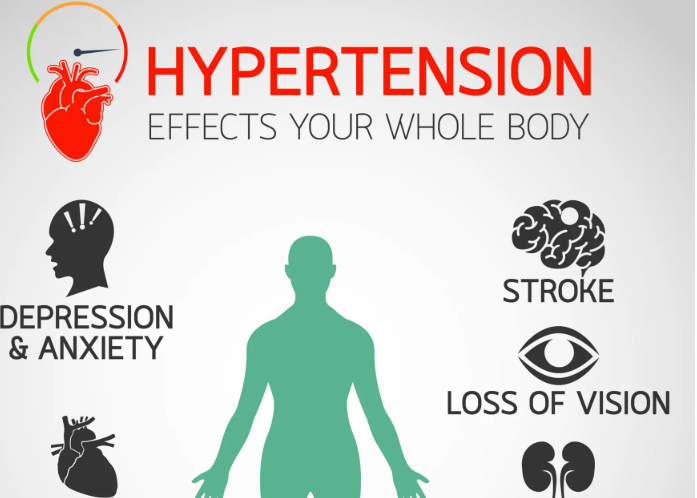
Maintaining healthy blood pressure is an important part of overall wellness and long-term vitality. Blood pressure reflects how efficiently the heart pumps blood through the body and how well the blood vessels respond to that flow. When pressure levels stay within a healthy range, the body can function more smoothly, supporting energy, focus, and physical comfort. While many factors influence blood pressure, balanced daily habits can play a powerful role in supporting cardiovascular well-being in a natural and sustainable way.
Balanced living begins with an understanding that health is shaped by consistent choices rather than quick fixes. Daily routines that combine nourishing food, regular activity, restorative sleep, and emotional well-being can help the body maintain its natural rhythms. Over time, these habits create a supportive environment for healthy circulation and heart function. Rather than focusing on strict rules or sudden changes, a gentle, steady approach often leads to the most lasting results.
Nutrition is one of the most influential aspects of a balanced lifestyle. A diet rich in whole foods provides the body with essential nutrients that support the heart and blood vessels. Fresh fruits and vegetables offer fiber, vitamins, and antioxidants that help the body manage oxidative stress and maintain healthy tissue function. Whole grains contribute sustained energy and help regulate digestion, while lean proteins support muscle strength and repair. Choosing natural, minimally processed foods whenever possible allows the body to receive nutrients in forms it can easily use.
Hydration also plays a subtle yet meaningful role in maintaining healthy circulation. Drinking enough water throughout the day helps support the body’s fluid balance and assists in transporting nutrients and oxygen. For many people, making hydration a regular habit can be as simple as carrying a reusable bottle or choosing water alongside meals. Warm herbal infusions or lightly flavored water can add variety while encouraging consistent intake.
Physical movement is another cornerstone of balanced living. The human body is designed for motion, and regular activity can help support healthy blood flow and cardiovascular strength. Gentle exercises such as walking, stretching, or swimming can be accessible options for individuals at many fitness levels. More dynamic activities like cycling or dancing can add enjoyment and variety. The key is to choose movements that feel comfortable and sustainable, allowing exercise to become an integrated part of daily life rather than a temporary effort.
Equally important is the role of rest and recovery. Quality sleep allows the body to repair, regulate hormones, and maintain healthy energy levels. Establishing a calming evening routine, reducing exposure to bright screens before bedtime, and creating a peaceful sleep environment can support more restorative rest. Even short periods of relaxation during the day, such as mindful breathing or quiet reflection, can help the body reset and maintain balance.
Emotional well-being is closely connected to physical health. Everyday stress can influence many body systems, including those involved in circulation. Practicing simple stress management techniques can help promote a sense of calm and resilience. Activities such as journaling, spending time in nature, listening to music, or connecting with supportive friends and family can all contribute to emotional balance. Over time, nurturing mental wellness can create positive ripple effects throughout the body.
Social connections and a sense of purpose also support a balanced lifestyle. Feeling engaged in meaningful relationships and activities can encourage healthier routines and foster a positive outlook. Whether through community involvement, creative hobbies, or volunteer efforts, participating in fulfilling experiences can help individuals stay motivated to care for their overall well-being. This sense of connection often brings both emotional satisfaction and practical support.
Another helpful aspect of balanced living is mindful awareness of daily habits. Paying attention to how certain foods, activities, or sleep patterns affect personal comfort and energy levels can provide valuable insights. Keeping a simple wellness journal or checking in regularly with personal goals can make it easier to stay on track. Small adjustments made with patience and self-compassion often lead to more sustainable outcomes than drastic changes.
Regular health checkups can also be a valuable part of supporting healthy blood pressure. Consulting qualified healthcare professionals for personalized guidance helps individuals understand their unique needs and track progress over time. Professional advice can complement lifestyle habits and provide reassurance, especially when making changes to diet or activity routines. Taking a proactive approach to wellness encourages confidence and informed decision-making.
Creating a balanced lifestyle does not mean striving for perfection. Life naturally includes busy periods, unexpected challenges, and moments of indulgence. The goal is to cultivate overall consistency while allowing flexibility. Celebrating small achievements and focusing on gradual improvement can make the journey more enjoyable and realistic. Over time, these positive patterns can become second nature, supporting both physical comfort and emotional satisfaction.
Environment also plays a role in shaping healthy routines. Organizing living and working spaces to encourage movement, relaxation, and nourishing meals can make beneficial choices feel easier. Keeping fresh produce visible in the kitchen, setting reminders to stretch, or arranging a cozy corner for reading or meditation can subtly guide daily behavior. These thoughtful adjustments help create a supportive atmosphere for well-being.
Technology can be used in positive ways to reinforce balanced living. Wellness apps, activity trackers, or guided relaxation recordings can offer motivation and structure. At the same time, maintaining healthy boundaries with screen time supports mental clarity and restful sleep. Finding a harmonious balance between digital tools and offline experiences helps individuals stay connected without feeling overwhelmed.
Ultimately, supporting healthy blood pressure through balanced living is about nurturing the body with kindness and consistency. By combining wholesome nutrition, regular movement, restful sleep, emotional care, and meaningful connections, individuals can create a strong foundation for lifelong wellness. Each positive choice, no matter how small, contributes to a broader pattern of vitality and resilience. With patience, awareness, and a supportive mindset, balanced living can become a natural pathway toward feeling energized, comfortable, and confident in everyday life.