The human heart works quietly and tirelessly every day, pumping blood and delivering oxygen and nutrients throughout the body. Because it performs such an essential role, caring for heart strength should be viewed as a lifelong commitment rather than a short-term goal. Positive lifestyle changes can make a meaningful difference in supporting overall cardiovascular wellness, helping people feel more energetic, balanced, and confident about their long-term health.
One of the most impactful ways to support heart strength is by developing consistent daily habits that encourage movement. Regular physical activity helps improve circulation, supports healthy blood pressure levels, and contributes to maintaining a comfortable body weight. Movement does not have to mean intense workouts or complicated fitness routines. Walking at a steady pace, dancing at home, gardening, or cycling through a local neighborhood can all offer valuable benefits. The key is to choose activities that feel enjoyable and sustainable so that staying active becomes a natural part of everyday life.
In addition to staying physically active, paying attention to nutrition can provide powerful support for heart wellness. A balanced eating pattern that includes a variety of colorful fruits and vegetables, whole grains, and sources of healthy fats can help the body function at its best. These foods often contain nutrients that assist in maintaining normal cholesterol levels and supporting overall circulation. Choosing home-cooked meals when possible can also help individuals stay more aware of what they are consuming, making it easier to manage portion sizes and reduce excess salt or added sugars. Small adjustments, such as adding an extra serving of vegetables to a meal or choosing water instead of sugary beverages, can gradually build a heart-friendly routine.
Another positive lifestyle change that supports heart strength is prioritizing restful sleep. Quality sleep allows the body to repair and recharge, which can help maintain healthy energy levels and emotional balance. Creating a calming evening routine, such as dimming lights, reducing screen time, and practicing relaxation techniques, can make it easier to fall asleep naturally. Consistent sleep schedules may also help regulate important bodily processes that contribute to overall wellness. When people feel well rested, they are often more motivated to stay active and make thoughtful choices throughout the day.
Managing everyday stress in constructive ways is also important for supporting heart strength. Modern life can present many challenges, but developing healthy coping strategies can help individuals feel more in control. Gentle activities such as deep breathing, stretching, journaling, or spending time outdoors can provide moments of calm. Connecting with supportive friends or family members can also create a sense of belonging and encouragement. Over time, these practices can help reduce tension and promote a more positive outlook, which can indirectly support physical well-being.
Hydration plays a subtle yet meaningful role in maintaining heart wellness. Drinking enough fluids helps the body regulate temperature and maintain proper circulation. While individual needs may vary depending on climate, activity level, and personal health factors, making a habit of sipping water throughout the day is often a helpful approach. Choosing refreshing alternatives such as herbal teas or naturally flavored water can add variety while supporting hydration goals.
Another aspect of heart-supportive living involves staying mindful of personal habits. Gradual lifestyle adjustments often feel more achievable than sudden changes. For example, someone who spends long hours sitting might begin by standing and stretching for a few minutes each hour. Others might focus on preparing balanced meals a few days each week before expanding that routine further. Celebrating small successes can help build confidence and reinforce motivation, turning positive choices into lasting habits.
Spending time in nature can also contribute to a heart-friendly lifestyle. Fresh air, sunlight, and natural surroundings can help lift mood and encourage gentle physical activity. Whether it is a walk through a park, tending to plants, or simply sitting outside and observing the environment, these experiences can create a sense of calm and renewal. Over time, this connection with nature may support both emotional and physical well-being.
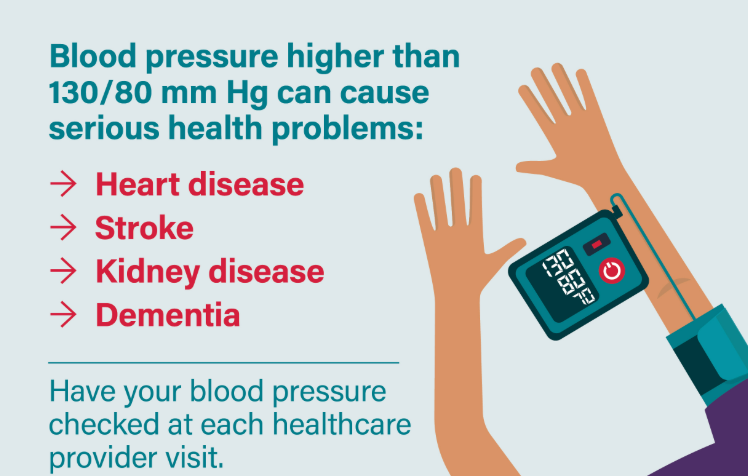
Maintaining regular health awareness is another supportive step. Paying attention to how the body feels and seeking guidance from qualified professionals when needed can help individuals make informed decisions about their wellness journey. Routine checkups and open conversations about lifestyle habits can provide reassurance and helpful insights. Understanding personal health goals allows people to tailor positive changes that align with their unique circumstances.
Social engagement can also play a valuable role in supporting heart strength. Participating in community activities, joining group exercise classes, or sharing meals with loved ones can create joyful moments that encourage consistency in healthy routines. Positive social connections often foster accountability and motivation, making it easier to stay committed to beneficial lifestyle choices. Feeling supported by others can inspire individuals to continue caring for themselves in meaningful ways.
Cultivating a mindset of patience and self-compassion is essential when making lifestyle changes. Progress may occur gradually, and occasional setbacks are a natural part of any journey. By focusing on long-term habits rather than quick results, individuals can build a more stable foundation for heart wellness. Appreciating each step forward can help maintain enthusiasm and reduce unnecessary pressure.
Ultimately, supporting heart strength through positive lifestyle changes is about creating a balanced approach that nurtures both body and mind. Simple actions taken consistently can contribute to a sense of vitality and confidence. By staying active, choosing nourishing foods, managing stress, resting well, and maintaining supportive relationships, individuals can foster a lifestyle that encourages long-term well-being. Each positive choice becomes a meaningful investment in the strength and resilience of the heart, helping people move through life with greater ease and optimism.