Many people today are becoming more aware of the importance of maintaining healthy blood pressure levels. With busy schedules, changing diets, and everyday stress, it is not surprising that concerns about heart health are becoming more common. The encouraging news is that small, consistent lifestyle habits may make a meaningful difference over time. By taking a balanced and practical approach, individuals can gradually support their overall well-being while also helping their bodies manage blood pressure more effectively.
One of the most helpful starting points is paying attention to daily movement. Regular physical activity does not always mean intense workouts or long gym sessions. Simple actions such as walking around the neighborhood, stretching in the morning, or choosing the stairs instead of the elevator can contribute to a more active routine. Over time, these gentle habits may support circulation and heart health. The key is consistency rather than perfection. When movement becomes a natural part of the day, it can feel less like a task and more like a positive lifestyle choice.
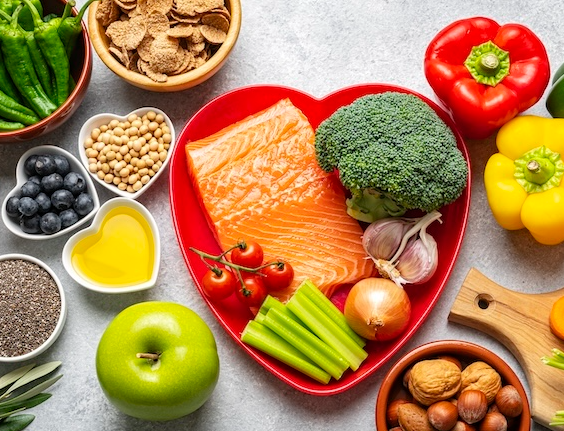
Another important habit involves being mindful of food choices. A balanced eating pattern that includes a variety of fresh fruits, vegetables, whole grains, and lean sources of protein may help the body function at its best. Many people find that cooking at home allows them to better understand what goes into their meals. Even small adjustments, such as adding an extra serving of vegetables or reducing heavily processed foods, can be meaningful steps toward healthier routines. Rather than focusing on strict rules, it can be more effective to aim for gradual improvements that feel realistic and sustainable.
Hydration is also a simple yet often overlooked aspect of daily health. Drinking enough water throughout the day supports many essential processes in the body. Some individuals notice that when they stay well hydrated, they feel more energized and focused. Keeping a reusable water bottle nearby or setting gentle reminders can make it easier to build this habit. While everyone’s needs may differ, making hydration a priority is a practical way to support general wellness.
Managing stress is another area that may influence blood pressure over time. Modern life often brings a steady flow of responsibilities, deadlines, and digital distractions. Finding moments to slow down and relax can be helpful for both mental and physical health. Practices such as deep breathing, spending time in nature, reading a favorite book, or listening to calming music may provide a sense of balance. Even a few minutes of intentional relaxation during the day can make a noticeable difference in how the body responds to daily challenges.
Quality sleep is closely connected to overall well-being as well. Establishing a consistent bedtime routine may help support the body’s natural rhythms. Many people benefit from reducing screen time in the evening, creating a comfortable sleep environment, and maintaining regular sleep hours when possible. Restful sleep allows the body to recharge and may contribute to better mood, focus, and physical resilience. When sleep becomes a priority rather than an afterthought, other healthy habits often feel easier to maintain.
Another gentle approach to supporting healthy blood pressure involves building positive social connections. Sharing meals with family, talking with friends, or participating in community activities can bring a sense of belonging and emotional support. Human connection has long been associated with improved well-being, and simple interactions can brighten daily life. Whether through in-person conversations or thoughtful messages, nurturing relationships may help reduce feelings of isolation and encourage a more optimistic outlook.
Limiting certain lifestyle factors may also play a role in maintaining balance. For example, being mindful of excess salt intake, reducing smoking exposure, and moderating alcohol consumption are commonly discussed in conversations about heart health. Rather than viewing these changes as restrictions, it may help to think of them as opportunities to explore new routines and healthier alternatives. Choosing flavorful herbs and spices in cooking, engaging in enjoyable hobbies, or discovering new social activities can make these adjustments feel more rewarding.
Tracking progress can provide motivation and clarity. Some individuals find it helpful to keep a simple journal of daily habits, physical activity, or how they feel after making small changes. Others may choose to use digital tools that offer reminders or insights. By observing patterns over time, it becomes easier to recognize which habits bring positive results. Celebrating small milestones along the way can build confidence and reinforce the idea that meaningful change often happens step by step.
Equally important is maintaining regular communication with qualified health professionals. Routine checkups and personalized guidance can help individuals better understand their unique needs. Professional advice ensures that lifestyle adjustments are appropriate and aligned with overall health goals. Taking an active role in learning about one’s body can empower people to make informed decisions while feeling supported throughout the process.
Ultimately, discovering simple habits that may help blood pressure is about creating a lifestyle that feels balanced, supportive, and sustainable. There is no single solution that works for everyone, and progress may look different from person to person. By focusing on manageable changes, staying patient with the journey, and recognizing the value of everyday choices, individuals can move toward a healthier future with confidence.
Over time, these small habits can add up to meaningful improvements in overall well-being. A walk in the fresh air, a nourishing meal, a good night’s sleep, or a moment of calm reflection all contribute to the larger picture of heart health. With a friendly and flexible approach, it becomes possible to turn simple actions into lasting routines that support both body and mind.