Creating a heart healthy lifestyle is not about short bursts of discipline or extreme changes that fade after a few weeks. It is about building patterns that feel natural, enjoyable, and realistic enough to continue over time. When habits become part of daily life rather than temporary efforts, they have a lasting impact on heart health and overall well-being.
The heart works continuously, supporting every system in the body, so it benefits most from consistent care rather than occasional attention. Sustainable habits are built gradually, allowing the body and mind to adjust at a comfortable pace. This approach reduces stress and increases the likelihood that positive changes will remain part of everyday life.
One of the most important foundations of a heart healthy lifestyle is balanced nutrition. Rather than focusing on strict rules or eliminating entire food groups, it is helpful to aim for variety and moderation. Meals that include fruits, vegetables, whole grains, lean proteins, and healthy fats can support cardiovascular health while still being satisfying and enjoyable. Choosing fresh ingredients when possible and preparing meals at home more often can also help people stay mindful of what they are eating without feeling restricted.
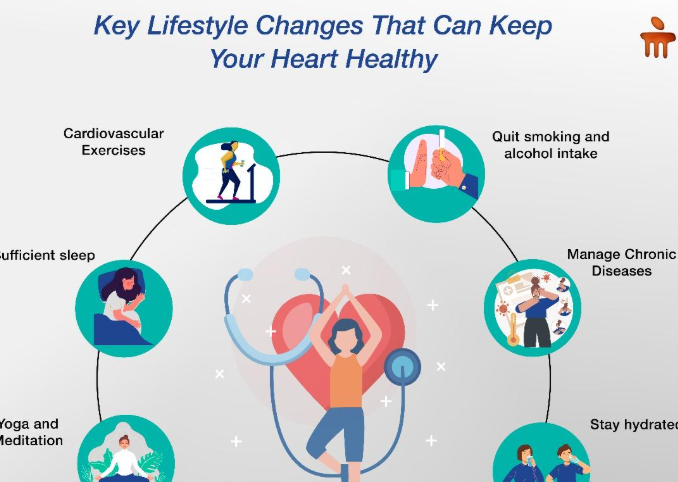
Hydration plays a quiet but essential role in heart health. Drinking enough water supports circulation and helps the body function efficiently. While preferences for beverages vary, making water a regular choice throughout the day can be a simple and sustainable habit that benefits the heart.
Physical activity is another key component, but it does not need to be intense or time-consuming to be effective. The most sustainable forms of exercise are often the ones people genuinely enjoy. Walking, cycling, dancing, swimming, or even gardening can all contribute to a healthier heart when done regularly. Instead of focusing on perfection, it is more helpful to build a routine that fits naturally into daily life. Consistency matters more than intensity, and even small amounts of movement can add up over time.
Rest and recovery are sometimes overlooked, yet they are essential for maintaining heart health. Quality sleep allows the body to repair and recharge, supporting healthy blood pressure and overall balance. Creating a calming bedtime routine, limiting distractions, and maintaining a consistent sleep schedule can make a meaningful difference. When rest becomes a priority rather than an afterthought, it strengthens the foundation of a sustainable lifestyle.
Managing stress is equally important. Modern life often includes ongoing pressures, and while it may not be possible to eliminate stress entirely, it is possible to develop healthier ways of responding to it. Activities such as deep breathing, mindfulness, spending time in nature, or engaging in hobbies can help create moments of calm. These practices do not need to be complicated. Even a few minutes of intentional relaxation each day can support both emotional well-being and heart health.
Social connections also contribute to a heart healthy lifestyle. Spending time with family, friends, or supportive communities can improve mood and reduce feelings of isolation. Positive relationships encourage healthier choices and provide a sense of belonging, which can have a lasting impact on overall wellness. Building and maintaining these connections does not require large gatherings or constant interaction. Simple, meaningful moments of connection are often enough to make a difference.
Another important aspect of sustainability is flexibility. Life changes, and routines may need to adjust over time. A heart healthy lifestyle should be adaptable rather than rigid. Allowing room for occasional indulgences or changes in schedule helps prevent feelings of frustration or failure. This balanced approach supports long-term success by making the lifestyle feel realistic and forgiving.
Awareness is also a valuable tool. Paying attention to how the body feels, recognizing energy levels, and noticing patterns in daily habits can guide better choices. This does not require strict tracking or constant monitoring. Instead, it involves a gentle awareness that helps individuals make adjustments when needed. Over time, this awareness becomes intuitive and supports healthier decisions without added pressure.
Setting small, achievable goals can make the process more manageable. Rather than trying to change everything at once, focusing on one habit at a time allows for steady progress. Each positive change builds confidence and creates momentum. For example, starting with a short daily walk or adding an extra serving of vegetables to meals can gradually lead to broader improvements.
It is also helpful to recognize that motivation may fluctuate. There will be days when energy is low or routines are disrupted. In these moments, returning to simple, manageable actions can help maintain consistency. A short walk, a balanced meal, or a few minutes of relaxation can keep the pattern intact without requiring significant effort.
Education plays a supportive role as well. Learning about heart health and understanding how lifestyle choices affect the body can encourage informed decisions. Reliable information helps individuals feel empowered rather than overwhelmed. When knowledge is combined with practical habits, it becomes easier to maintain a consistent and sustainable approach.
Environment can influence habits more than many people realize. Creating a space that supports healthy choices can make those choices feel easier and more natural. Keeping nutritious foods accessible, setting aside time for movement, and reducing distractions during rest periods are simple ways to shape an environment that aligns with heart health goals.
Over time, these small and consistent actions begin to form a pattern. This pattern becomes part of daily life rather than something separate or temporary. The goal is not perfection, but progress and consistency. When a lifestyle feels balanced and enjoyable, it is more likely to continue without requiring constant effort or willpower.
Building sustainable heart healthy lifestyle patterns is ultimately about creating a way of living that supports both physical and emotional well-being. It is a long-term journey that evolves with time, shaped by personal preferences, circumstances, and goals. By focusing on gradual changes, maintaining flexibility, and prioritizing balance, individuals can create habits that not only support heart health but also enhance overall quality of life.
A heart healthy lifestyle does not need to be complicated or overwhelming. It can be built through simple, thoughtful choices made consistently over time. With patience and a positive approach, these patterns can become a natural and lasting part of everyday living.