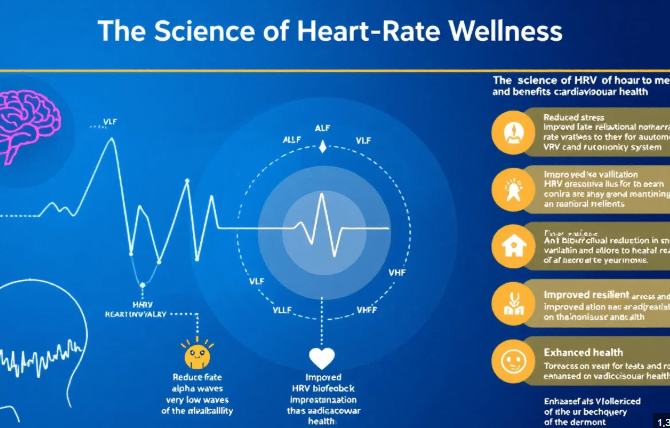
Caring for your heart is one of the most meaningful investments you can make in your long-term well-being. Yet for many people, the journey toward better cardiovascular health can feel overwhelming. With a constant stream of advice, changing trends, and complex medical information, it is easy to feel uncertain about which choices are right. Building confidence in your cardiovascular wellness decisions is not about perfection. It is about understanding your body, making informed choices, and developing habits that support a healthy and balanced life.
At the core of cardiovascular wellness is the recognition that small, consistent actions matter. Many people assume that improving heart health requires drastic lifestyle changes, but in reality, steady and realistic adjustments are often more effective. Choosing to walk a little more each day, preparing meals at home more often, or finding simple ways to manage stress can gradually strengthen your heart and improve overall health. When changes feel manageable, they are more likely to become lasting habits.
Understanding the basics of heart health can also help reduce uncertainty. The cardiovascular system includes the heart and blood vessels, working together to deliver oxygen and nutrients throughout the body. Supporting this system involves maintaining healthy blood pressure, balanced cholesterol levels, and good circulation. While these terms may sound technical, they are simply indicators of how efficiently your heart is functioning. Learning what these markers mean can help you feel more in control of your health journey.
Nutrition plays a key role in cardiovascular wellness, and building confidence in food choices is an important step. Rather than focusing on strict rules or restrictive diets, it can be helpful to think in terms of balance and variety. Foods rich in nutrients such as fruits, vegetables, whole grains, and lean proteins can support heart health when included regularly. At the same time, enjoying occasional treats without guilt is part of a sustainable approach. Confidence grows when you trust yourself to make thoughtful decisions rather than following rigid guidelines.
Physical activity is another powerful way to support cardiovascular health, and it does not have to be complicated. Movement can take many forms, from walking and cycling to dancing or gardening. The key is to find activities that you genuinely enjoy. When exercise feels like a positive part of your routine rather than a chore, it becomes easier to stay consistent. Over time, regular movement can improve energy levels, support circulation, and contribute to a stronger heart.
Emotional well-being is closely connected to cardiovascular health, and it deserves equal attention. Stress is a natural part of life, but chronic stress can affect the heart over time. Building confidence in managing stress involves discovering what helps you feel calm and grounded. This might include practices such as deep breathing, spending time in nature, connecting with others, or setting aside moments for rest. By recognizing your personal needs and responding to them with care, you create a supportive environment for your heart.
Another important aspect of confidence is developing a positive relationship with health information. It is natural to seek guidance, but not all sources are equally reliable. Turning to trusted professionals and evidence-based resources can help you make informed decisions without unnecessary worry. Asking questions, seeking clarification, and taking time to understand recommendations can empower you to feel more secure in your choices. Confidence grows when you feel informed rather than pressured.
It is also important to remember that each person’s cardiovascular health journey is unique. Factors such as age, genetics, lifestyle, and existing conditions all play a role. Comparing yourself to others can lead to unnecessary doubt. Instead, focusing on your own progress and celebrating small achievements can strengthen your sense of confidence. Whether it is maintaining a new habit for a week or noticing improved energy levels, these moments of progress are meaningful steps forward.
Preventive care is another valuable component of cardiovascular wellness. Regular checkups and screenings can provide insight into your heart health and help identify potential concerns early. These appointments are opportunities to learn more about your body and to receive personalized guidance. Approaching preventive care with curiosity rather than fear can make it a more positive and empowering experience.
Confidence is also shaped by how you speak to yourself about health. Self-criticism can create barriers, while self-compassion encourages growth. It is normal to have setbacks or days when your choices do not align perfectly with your goals. What matters is how you respond. Viewing these moments as opportunities to learn rather than reasons for discouragement can help you stay motivated and resilient.
Building a supportive environment can further strengthen your confidence. Surrounding yourself with people who encourage healthy habits and respect your goals can make a significant difference. This might include family members, friends, or community groups. Sharing experiences and learning from others can provide reassurance and inspiration along the way.
Technology can also play a helpful role when used thoughtfully. Tools such as health apps or wearable devices can offer insights into activity levels, heart rate, and other indicators. While these tools can be informative, it is important to use them as guides rather than sources of pressure. Confidence comes from understanding the information they provide and using it to support your personal goals.
Over time, the combination of knowledge, consistency, and self-awareness creates a strong foundation for cardiovascular wellness. Confidence is not built overnight. It develops gradually as you learn what works for you and gain trust in your ability to make supportive choices. By focusing on realistic steps and maintaining a balanced perspective, you can approach heart health with a sense of clarity and assurance.
Encouraging confidence in cardiovascular wellness choices ultimately means embracing a mindset of care rather than control. It is about recognizing that your health journey is ongoing and that each positive step contributes to your overall well-being. When you approach this journey with patience, curiosity, and kindness toward yourself, you create the conditions for lasting success.
Your heart works continuously to support you, and caring for it is a meaningful act of self-respect. By making informed choices, staying consistent with healthy habits, and trusting your ability to adapt and grow, you can move forward with confidence. This sense of confidence not only supports your cardiovascular health but also enhances your overall quality of life, allowing you to engage more fully in the moments that matter most.