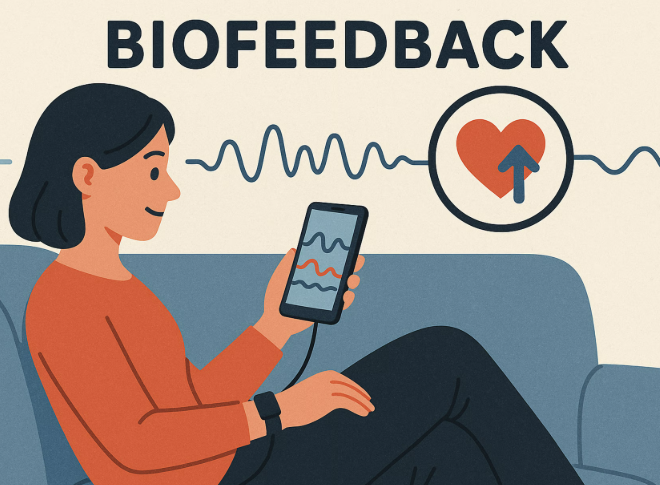
Caring for the heart does not always require dramatic changes or complicated routines. In many cases, steady, thoughtful habits can provide meaningful support over time. The heart is a resilient organ, working continuously to circulate blood and sustain life, and it responds well to consistent, balanced care. By focusing on gentle lifestyle choices, it is possible to support heart strength in a way that feels manageable, sustainable, and positive.
A good place to begin is with daily movement. Physical activity does not have to be intense or exhausting to be beneficial. Simple actions such as walking, stretching, or light cycling can encourage circulation and help maintain cardiovascular function. When movement becomes a regular part of the day, it supports the heart without placing unnecessary strain on the body. Consistency matters more than intensity, and even short periods of activity can add up over time.
Equally important is the role of nourishment. A balanced approach to eating can help provide the body with the nutrients it needs to function well. Foods that are naturally rich in vitamins, minerals, and fiber can support overall wellness, which in turn contributes to heart health. Fresh fruits, vegetables, whole grains, and moderate portions of protein can be part of a supportive routine. Rather than focusing on restriction, it is often more helpful to think in terms of adding wholesome options that promote balance.
Hydration also plays a quiet but meaningful role. Drinking enough water helps maintain proper circulation and supports many essential bodily functions. While individual needs may vary, paying attention to thirst and making water a regular choice throughout the day can be a simple yet effective habit. Small actions like keeping a glass of water nearby can make it easier to stay consistent.
Rest and relaxation are often overlooked, yet they are essential for maintaining heart strength. The body benefits from adequate sleep, as it allows systems to recover and reset. Establishing a calming evening routine, limiting distractions before bed, and creating a comfortable sleep environment can contribute to more restful nights. Over time, consistent rest supports not only the heart but overall well-being.
Managing everyday stress is another important aspect of gentle heart support. Modern life can bring a variety of pressures, and finding ways to respond calmly can make a difference. Practices such as mindful breathing, spending time in nature, or engaging in hobbies can provide moments of relaxation. These activities do not need to be complicated; even a few minutes of quiet reflection can help create a sense of balance.
Social connection can also contribute to a supportive lifestyle. Spending time with friends, family, or community members can bring a sense of comfort and belonging. Positive interactions can help reduce feelings of isolation and encourage emotional well-being, which is closely linked to physical health. Simple conversations, shared meals, or group activities can all play a role in maintaining a healthy rhythm of life.
It is also helpful to pay attention to routine habits and make gradual adjustments when needed. For example, reducing excessive consumption of heavily processed foods or limiting overly sedentary behavior can be beneficial. Rather than making sudden, difficult changes, small steps taken consistently are often more effective and easier to maintain. This approach allows the body to adapt naturally without added pressure.
Listening to the body is an essential part of gentle lifestyle support. Everyone’s needs are different, and what works for one person may not be suitable for another. Taking time to notice how the body responds to different activities, foods, and routines can help guide better choices. When changes are made with awareness and care, they are more likely to become lasting habits.
Another supportive element is maintaining a sense of routine. Regular meal times, consistent sleep patterns, and planned moments for activity can create stability. This structure helps the body anticipate and respond to daily demands more efficiently. A predictable rhythm can be especially helpful in reducing unnecessary stress and supporting overall balance.
Environment can also influence how easily healthy habits are maintained. Creating a space that encourages positive choices can make a difference. This might include keeping nutritious foods within reach, setting aside a quiet area for relaxation, or organizing time in a way that allows for regular movement. When the environment supports the goal, it becomes easier to stay consistent.
It is important to approach heart support with patience. Changes do not need to happen all at once, and progress may be gradual. Celebrating small improvements and recognizing efforts can help maintain motivation. A gentle approach reduces the likelihood of feeling overwhelmed and allows healthy habits to develop naturally over time.
In addition, staying informed through reliable sources can help guide decisions. Understanding general principles of wellness can provide a foundation for making choices that support the heart. At the same time, it is important to avoid unnecessary worry or overcomplication. Simple, evidence-based habits are often enough to make a positive impact.
Maintaining balance is key. Overexertion, whether physical or mental, can be counterproductive. Allowing time for rest, enjoyment, and flexibility helps create a sustainable lifestyle. When habits feel manageable and enjoyable, they are more likely to continue in the long term.
Gentle lifestyle support is not about perfection. It is about creating a pattern of choices that contribute to overall well-being. Each small step, whether it is taking a walk, preparing a balanced meal, or setting aside time to relax, can add up to meaningful support for the heart.
By focusing on steady, positive habits, it becomes possible to care for the heart in a way that feels natural and achievable. Over time, these gentle practices can help build a foundation of strength, supporting both physical health and a sense of overall balance.