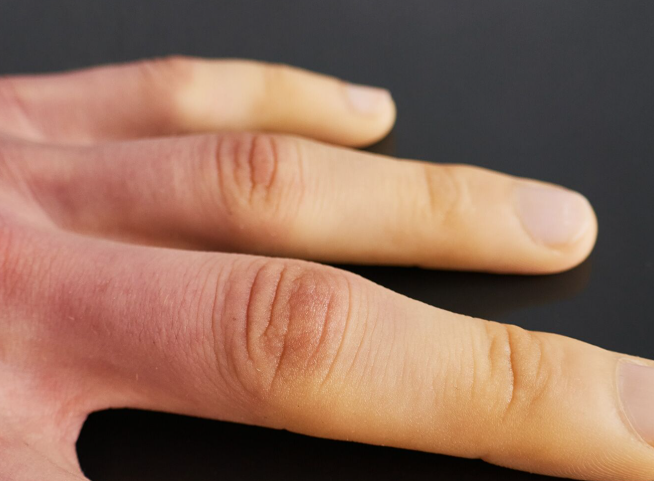
Caring for circulation health is an essential yet often overlooked part of maintaining overall well-being. Many people go about their daily lives without giving much thought to how efficiently blood flows through their bodies, until they begin to notice discomfort, fatigue, or changes in how their legs and feet feel. Gaining confidence in circulation care practices does not require drastic measures. Instead, it begins with small, consistent habits and a better understanding of how the body works.
Circulation plays a central role in transporting oxygen and nutrients to tissues while removing waste products. When circulation is functioning well, the body tends to feel energized and balanced. When it is not, individuals may experience sensations such as heaviness, tingling, or swelling, especially after long periods of sitting or standing. Recognizing these signs early can encourage proactive steps that support healthier routines.
One of the most approachable ways to improve circulation is through regular movement. The human body is designed to stay active, and even light activity can make a noticeable difference. Walking, stretching, and gentle exercises help stimulate blood flow and reduce the feeling of stagnation in the lower extremities. Building a habit of taking short breaks throughout the day to stand up and move around can support circulation without requiring major lifestyle changes.
Hydration is another key factor that often goes unnoticed. Drinking enough water helps maintain healthy blood volume and supports the overall function of the circulatory system. When the body is properly hydrated, blood flows more efficiently, which can contribute to a sense of vitality and comfort. Pairing hydration with balanced nutrition, including foods rich in vitamins and minerals, can further support circulation in a natural and sustainable way.
Comfortable clothing choices also play a role in circulation care. Wearing items that are too tight can sometimes restrict blood flow, particularly around the waist, thighs, or calves. Opting for well-fitting garments that allow for ease of movement can help maintain better circulation throughout the day. For individuals who spend long hours seated, adjusting posture and ensuring proper leg positioning can also make a meaningful difference.
Another helpful practice is elevating the legs for short periods, especially after a long day. This simple action can assist blood flow back toward the heart and may reduce feelings of heaviness or fatigue in the legs. Incorporating relaxation techniques such as deep breathing or gentle stretching during these moments can further enhance the benefits, creating a calming routine that supports both physical and mental well-being.
It is also important to consider the impact of daily habits on circulation. Prolonged inactivity, such as sitting for extended periods without movement, can contribute to discomfort. Introducing small changes, like setting reminders to move or choosing to walk instead of drive when possible, can gradually improve circulation over time. These adjustments are often easy to implement and can build confidence as individuals begin to notice positive changes.
Foot and leg care deserve special attention, as they are often the first areas where circulation-related discomfort appears. Taking time to care for the feet through gentle massage, proper hygiene, and supportive footwear can contribute to overall comfort. Choosing shoes that provide adequate support without excessive tightness can help maintain healthy blood flow and reduce unnecessary strain.
Temperature awareness can also influence circulation. Exposure to cold environments may cause blood vessels to constrict, which can lead to temporary discomfort. Dressing appropriately for the weather and keeping extremities warm can help support consistent circulation. On the other hand, moderate warmth, such as a warm bath or compress, can encourage relaxation and improved blood flow.
Stress management is another factor that is sometimes overlooked in circulation care. High levels of stress can affect the body in various ways, including how blood vessels respond. Practicing relaxation techniques such as mindfulness, meditation, or simply taking time to unwind can support overall health and contribute to a more balanced circulatory system.
Developing confidence in circulation care is not about perfection. It is about understanding that small, consistent actions can add up over time. Each positive step, whether it is drinking more water, moving more frequently, or choosing comfortable clothing, contributes to a sense of control and well-being. These practices are accessible and adaptable, making them suitable for a wide range of lifestyles.
It is always wise to stay informed and seek professional guidance when needed, especially if persistent or unusual symptoms arise. Being proactive and attentive to the body’s signals can help individuals make informed decisions that support their health. Confidence grows when people feel empowered with knowledge and practical strategies that fit into their daily routines.
Ultimately, discovering new confidence in circulation care practices is about embracing a holistic approach to health. By paying attention to movement, hydration, comfort, and stress levels, individuals can create a supportive environment for their bodies to function at their best. Over time, these mindful habits can lead to improved comfort, increased energy, and a greater sense of overall wellness.
As awareness continues to grow, more people are recognizing the importance of circulation in their daily lives. This shift in perspective encourages a proactive mindset, where care becomes a natural part of routine rather than a reaction to discomfort. With patience and consistency, anyone can build confidence in their approach to circulation care and enjoy the benefits that come with it.