Living a healthy life does not require perfection, expensive routines, or drastic changes. It is about making small, sustainable choices that support both your body and your mind over time. No matter your schedule, budget, or personal preferences, there are simple ways to improve your well-being while still enjoying your daily life. A balanced approach to health allows you to feel better, stay energized, and maintain habits that last.
One of the most important foundations of healthy living is consistency rather than intensity. Many people believe they need to follow strict diets or exercise programs to see results, but this often leads to burnout. Instead, focusing on realistic habits that you can maintain is far more effective. For example, choosing to walk a little more each day or adding one extra serving of vegetables to your meals can make a meaningful difference when practiced regularly.
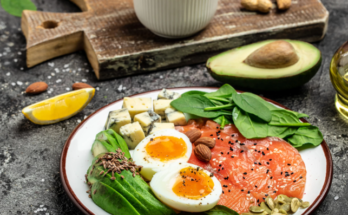
Nutrition plays a key role in overall health, but it does not have to be complicated. Eating a variety of whole foods such as fruits, vegetables, grains, and protein sources helps provide the nutrients your body needs. Rather than labeling foods as “good” or “bad,” it is more helpful to think in terms of balance. Enjoying your favorite meals in moderation while also including nourishing options creates a more positive and sustainable relationship with food. Drinking enough water throughout the day is another simple yet powerful habit that supports digestion, energy levels, and overall function.
Physical activity is another essential part of a healthy lifestyle, but it does not need to involve a gym membership or intense workouts. Movement can be integrated into your daily routine in ways that feel natural and enjoyable. Walking, stretching, dancing, or even doing household tasks can contribute to your activity levels. The key is to find something you enjoy so that it becomes a regular part of your life rather than a chore. Even short periods of movement can have a positive impact on your mood and energy.
Sleep is often overlooked, yet it is one of the most important factors in maintaining good health. Getting enough rest allows your body to recover, supports your immune system, and improves concentration. Creating a consistent sleep routine, such as going to bed and waking up at the same time each day, can help regulate your body’s internal clock. Reducing screen time before bed and creating a calm environment can also improve the quality of your sleep.
Mental well-being is just as important as physical health. Managing stress in a healthy way can improve both your mood and your overall quality of life. Simple practices such as deep breathing, spending time in nature, or taking short breaks during a busy day can help reduce stress levels. Staying connected with friends and family also provides emotional support and helps you feel more grounded. Taking time for activities you enjoy, whether it is reading, listening to music, or pursuing a hobby, can bring a sense of balance to your routine.
Another important aspect of healthy living is listening to your body. Everyone has different needs, and what works for one person may not work for another. Paying attention to how you feel after eating certain foods, engaging in specific activities, or following certain routines can help you make better choices for your own well-being. Being flexible and open to adjusting your habits allows you to create a lifestyle that truly fits you.
Time management can also support a healthier lifestyle. When your schedule feels overwhelming, it can be difficult to prioritize healthy habits. Planning your meals, setting aside time for movement, and organizing your day can help create space for self-care. Even small adjustments, such as preparing meals in advance or setting reminders to take breaks, can make a big difference in maintaining consistency.
Healthy living does not mean eliminating all indulgences or following strict rules. It is about finding a balance that allows you to enjoy life while taking care of your body. Allowing yourself occasional treats or rest days can actually support long-term success by preventing feelings of restriction. A positive mindset toward health encourages you to stay motivated and committed without feeling pressured.
Building healthy habits gradually is often more effective than trying to change everything at once. Starting with one or two small changes and building from there can help you avoid feeling overwhelmed. For example, you might begin by adding a daily walk or drinking more water, then slowly incorporate other habits over time. Each step you take contributes to your overall well-being.
Environment also plays a role in supporting healthy choices. Keeping nutritious foods accessible, creating a comfortable space for relaxation, and surrounding yourself with supportive people can make it easier to maintain your habits. When your environment aligns with your goals, healthy choices become more natural and less effortful.
It is also important to remember that progress is not always linear. There will be days when you feel less motivated or face challenges that disrupt your routine. Instead of viewing these moments as setbacks, it is helpful to see them as part of the process. Being kind to yourself and returning to your habits when you can helps maintain a long-term perspective.
Healthy living is not about achieving a perfect standard but about creating a lifestyle that supports your well-being in a way that feels realistic and enjoyable. By focusing on balance, consistency, and self-awareness, you can develop habits that fit seamlessly into your life. Over time, these small, positive choices add up to meaningful improvements in both your physical and mental health.
Ultimately, the goal is to create a way of living that feels sustainable and fulfilling. When you approach health with flexibility and a positive mindset, it becomes less about restriction and more about caring for yourself. No matter where you are starting from, taking small steps toward healthier habits can lead to lasting benefits and a better quality of life.