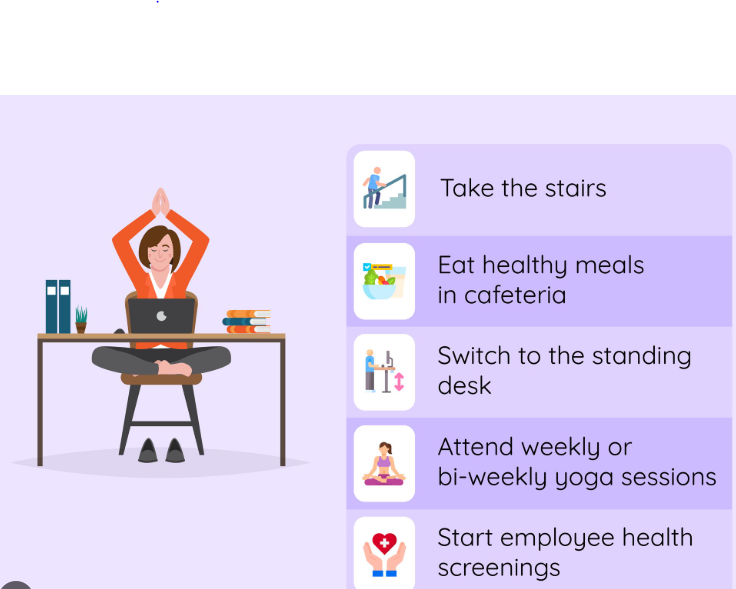
Starting a healthy lifestyle can feel overwhelming, especially with so much advice coming from different directions. The good news is that healthy living does not require drastic changes or complicated routines. Small, consistent steps can lead to meaningful improvements over time. By focusing on simple habits and maintaining a balanced approach, anyone can begin their journey toward better health.
One of the most important foundations of healthy living is maintaining a balanced diet. This does not mean following strict rules or eliminating entire food groups. Instead, aim to include a variety of foods that provide essential nutrients. Fresh fruits and vegetables, whole grains, lean proteins, and healthy fats should be part of your daily meals. Drinking enough water is equally important, as hydration supports digestion, energy levels, and overall well-being. Rather than aiming for perfection, focus on making better choices more often.
Another key aspect of a healthy lifestyle is regular physical activity. You do not need an intense workout plan to get started. Simple activities like walking, stretching, or light exercises can make a big difference. The goal is to move your body consistently. Even 20 to 30 minutes of activity a day can improve your mood, boost your energy, and support long-term health. Choosing activities you enjoy increases the likelihood that you will stick with them.
Sleep plays a vital role in overall health, yet it is often overlooked. Getting enough quality sleep helps your body recover, supports brain function, and improves emotional balance. Establishing a regular sleep schedule can be helpful. Try going to bed and waking up at the same time each day, even on weekends. Creating a relaxing bedtime routine, such as reading or listening to calm music, can also improve sleep quality.
Managing stress is another important part of healthy living. Everyone experiences stress, but how you respond to it can make a big difference. Simple techniques like deep breathing, spending time in nature, or talking with a trusted friend can help reduce stress levels. Taking short breaks throughout the day can also prevent burnout and improve focus. Learning to recognize when you need rest is a valuable skill.
Building healthy habits takes time, and it is important to be patient with yourself. Setting realistic goals can help you stay motivated. Instead of trying to change everything at once, focus on one or two habits at a time. For example, you might start by drinking more water or taking a daily walk. Once these habits become part of your routine, you can gradually add new ones.
Consistency is more important than intensity. Many people give up on healthy living because they expect immediate results. However, lasting change happens slowly. Even small improvements can add up over time. Celebrating your progress, no matter how minor it may seem, can help you stay encouraged.
Social support can also play a big role in maintaining a healthy lifestyle. Sharing your goals with friends or family members can provide motivation and accountability. You might even find a partner to join you in activities like walking or cooking healthy meals. Having someone to share the journey with can make it more enjoyable and sustainable.
Limiting processed foods and added sugars is another helpful step. While it is perfectly fine to enjoy treats occasionally, making whole, nutrient-rich foods the foundation of your diet can support better health. Reading food labels can help you make informed choices, but it does not have to be complicated. Focus on simple, recognizable ingredients whenever possible.
Mental well-being is just as important as physical health. Taking time for activities that bring you joy can improve your overall quality of life. This might include hobbies, creative projects, or simply relaxing. Practicing gratitude, such as reflecting on positive moments in your day, can also contribute to a more positive mindset.
It is also important to listen to your body. Everyone is different, and what works for one person may not work for another. Pay attention to how you feel after eating certain foods, exercising, or changing your routine. Adjust your habits based on what makes you feel your best. This personalized approach can help you build a sustainable lifestyle.
Avoid comparing your progress to others. Healthy living is a personal journey, and everyone moves at their own pace. What matters most is that you are making choices that support your well-being. Focusing on your own progress can help you stay motivated and confident.
Another beginner-friendly tip is to create a supportive environment. Keeping healthy foods easily accessible and setting aside time for physical activity can make it easier to stay on track. Small changes in your surroundings can have a big impact on your habits. For example, placing a water bottle nearby can remind you to stay hydrated throughout the day.
Learning basic cooking skills can also support a healthier lifestyle. Preparing your own meals allows you to control the ingredients and portion sizes. You do not need to be an expert chef to get started. Simple recipes with fresh ingredients can be both nutritious and enjoyable. Over time, cooking can become a rewarding and creative activity.
Staying flexible is important when building new habits. Life can be unpredictable, and there may be times when you cannot follow your routine perfectly. Instead of feeling discouraged, focus on getting back on track as soon as possible. A balanced approach allows for occasional setbacks without losing progress.
In addition, spending time outdoors can have positive effects on both physical and mental health. Fresh air and natural surroundings can boost your mood and reduce stress. Even short periods of time outside can make a difference. Whether it is a walk in the park or simply sitting in a quiet outdoor space, connecting with nature can be refreshing.
Finally, remember that healthy living is not about restriction or perfection. It is about creating a lifestyle that supports your overall well-being and happiness. By making small, positive changes and staying consistent, you can build habits that last. Over time, these habits can lead to improved energy, better health, and a more balanced life.
Starting your journey toward healthy living does not have to be complicated. With a focus on simple, achievable steps, you can create a routine that works for you. By being patient, staying consistent, and prioritizing your well-being, you can build a healthier and more fulfilling lifestyle.