Taking care of your well-being does not have to be complicated or overwhelming. In fact, the most effective wellness habits are often the simplest ones you can realistically stick with every day. Instead of chasing extreme routines or quick fixes, building a steady rhythm of small, supportive actions can make a meaningful difference in how you feel physically and mentally. The key is consistency, not perfection.
One of the most powerful habits you can adopt is starting your day with intention. This does not require a long or elaborate morning routine. Even a few quiet minutes can help you set the tone for the rest of your day. Try waking up slightly earlier than usual to give yourself space to breathe, stretch, or simply sit without rushing. This gentle start can reduce stress and help you feel more in control as your day unfolds.
Hydration is another simple yet often overlooked part of wellness. Your body depends on water for nearly every function, from maintaining energy levels to supporting digestion. Drinking a glass of water first thing in the morning can help wake up your system. Keeping water nearby throughout the day serves as a subtle reminder to stay hydrated. If plain water feels boring, adding a slice of lemon or cucumber can make it more enjoyable.
Movement is essential, but it does not have to mean intense workouts or long hours at the gym. The most effective exercise is the one you actually do regularly. A short walk, gentle stretching, or a quick home workout can all contribute to better health. Even ten to fifteen minutes of movement can boost your mood and improve circulation. The goal is to make movement a natural part of your daily routine rather than a chore.
Nutrition also plays a central role in daily wellness. Instead of focusing on strict diets, aim for balance and variety. Eating whole foods like fruits, vegetables, grains, and proteins can support your energy and overall health. Paying attention to how you feel after meals can guide your choices. If certain foods leave you feeling sluggish or uncomfortable, consider adjusting your habits gradually rather than making sudden, drastic changes.
Sleep is one of the most important pillars of wellness, yet it is often sacrificed in busy schedules. Creating a consistent sleep routine can improve both your physical and mental health. Try going to bed and waking up at the same time each day, even on weekends. Limiting screen time before bed and creating a calm environment can help your body wind down naturally. Quality sleep supports focus, mood, and overall resilience.
Mental wellness deserves just as much attention as physical health. Taking breaks throughout the day can help prevent burnout and improve productivity. Even a few minutes of stepping away from your work, stretching, or taking deep breaths can reset your mind. Practicing mindfulness, whether through meditation or simply being present in the moment, can reduce stress and improve emotional balance.
Another helpful habit is staying connected with others. Human connection plays a vital role in well-being. This does not mean you need constant social interaction, but maintaining meaningful relationships can provide support and a sense of belonging. A quick message, a phone call, or spending time with someone you trust can make a positive difference in your day.
Limiting information overload is also important in today’s fast-paced world. Constant exposure to news, social media, and digital content can feel overwhelming. Setting boundaries around your screen time can help protect your mental space. Consider designating certain times of the day to check your devices rather than constantly scrolling. This creates more room for rest, creativity, and real-life experiences.
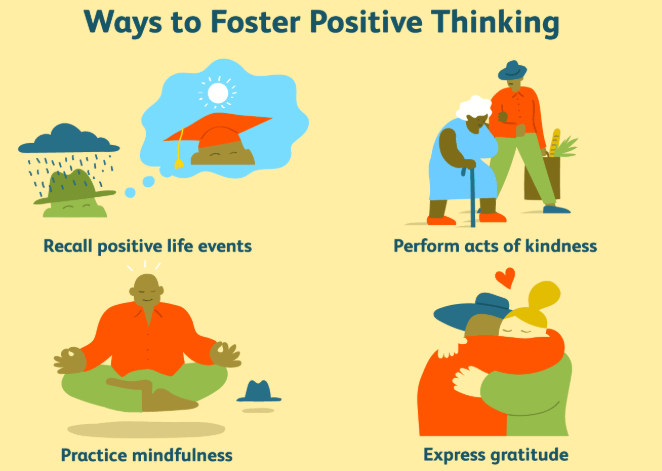
Practicing gratitude is a simple yet powerful way to shift your perspective. Taking a moment each day to notice what is going well can improve your overall outlook. This does not require writing long lists or making it complicated. Even acknowledging one or two positive moments can help you feel more grounded and content.
It is also important to listen to your body and respect its signals. Rest when you feel tired, eat when you are hungry, and take breaks when you need them. Pushing yourself too hard can lead to burnout and frustration. Wellness is not about doing more; it is about doing what supports you in a sustainable way.
Creating a comfortable and supportive environment can enhance your daily well-being. A clean, organized space can help you feel more focused and relaxed. You do not need to overhaul your entire living area. Small changes, like clearing clutter from your desk or adding a plant, can make your surroundings feel more inviting.
Setting realistic goals is another key aspect of maintaining wellness. Trying to change everything at once can be overwhelming and difficult to sustain. Instead, focus on one or two habits at a time. As these become part of your routine, you can gradually build on them. This steady approach increases your chances of long-term success.
It is also helpful to approach wellness with flexibility. Life is unpredictable, and not every day will go as planned. Missing a workout or having an off day does not mean you have failed. What matters is your ability to return to your habits without judgment. Being kind to yourself is an essential part of maintaining a healthy lifestyle.
Finding activities you genuinely enjoy can make wellness feel less like a task and more like a natural part of your life. Whether it is dancing, cooking, reading, or spending time outdoors, doing things that bring you joy can improve both your mood and motivation. Enjoyment is a powerful driver of consistency.
Finally, remember that wellness looks different for everyone. What works for one person may not work for another, and that is completely normal. Pay attention to your own needs and preferences. Adjust your habits in a way that feels right for you rather than trying to follow a one-size-fits-all approach.
By focusing on small, practical steps and building them into your daily routine, you can create a foundation for lasting well-being. These simple habits may seem modest, but over time they can lead to meaningful improvements in how you feel and function each day.