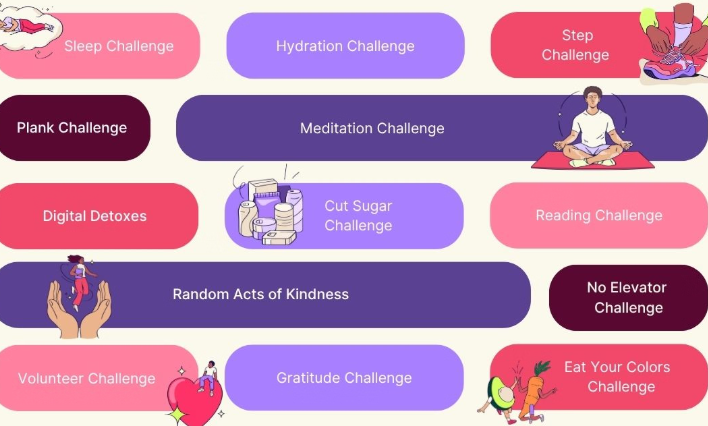
Taking care of your health does not always require drastic changes or complicated routines. In fact, some of the most effective improvements come from simple, natural habits that fit easily into your daily life. By making small, consistent adjustments, you can support your body and mind in a sustainable and balanced way. This approach not only feels more manageable, but it also encourages long-term well-being without pressure or extremes.
One of the most important foundations of good health is proper hydration. Drinking enough water throughout the day helps regulate body temperature, support digestion, and keep your energy levels steady. Instead of forcing yourself to drink large amounts all at once, try keeping a glass or bottle nearby and take small sips regularly. You can also include herbal teas or water infused with fruits like lemon or cucumber to make hydration more enjoyable.
Another gentle yet powerful habit is mindful eating. Rather than focusing on strict diets or restrictions, pay attention to how your body feels when you eat different foods. Eating slowly, savoring each bite, and choosing whole, minimally processed foods can naturally guide you toward better nutrition. Fresh fruits, vegetables, whole grains, and healthy fats provide essential nutrients that support overall health. Listening to your hunger and fullness cues also helps build a healthier relationship with food.
Sleep plays a crucial role in maintaining physical and mental health. A consistent sleep routine allows your body to repair and recharge. Aim to go to bed and wake up at similar times each day, even on weekends. Creating a calm environment before bedtime, such as dimming lights and avoiding screens, can signal to your body that it is time to rest. Gentle activities like reading or stretching can further promote relaxation and improve sleep quality.
Movement is another key aspect of natural health, but it does not have to involve intense workouts or strict fitness plans. Simple activities like walking, stretching, or light yoga can make a meaningful difference. The goal is to find movement that feels enjoyable rather than forced. Even short periods of activity throughout the day can improve circulation, boost mood, and increase energy levels. Consistency matters more than intensity when it comes to building a sustainable routine.
Managing stress in a gentle way is equally important. Everyday life can bring challenges, but finding small moments of calm can help you stay balanced. Practices such as deep breathing, meditation, or spending time in nature can reduce stress and promote a sense of peace. You do not need long sessions to benefit; even a few minutes of quiet reflection can have a positive impact on your mental well-being.
Connecting with others also supports overall health. Positive relationships can provide emotional support, reduce feelings of loneliness, and improve mood. Whether it is a conversation with a friend, time with family, or participation in a community activity, these interactions contribute to a sense of belonging. At the same time, taking time for yourself is equally valuable, as it allows you to recharge and reflect.
Another gentle approach to improving health is paying attention to your environment. A clean, organized space can influence your mood and productivity. Letting in natural light, adding plants, or simply tidying up can create a more calming atmosphere. These small changes can make your daily surroundings feel more supportive and inviting.
It is also helpful to develop awareness of your body’s signals. Your body often communicates its needs through subtle cues such as fatigue, tension, or changes in appetite. Taking the time to notice and respond to these signals can prevent larger issues from developing. This might mean resting when you feel tired, stretching when you feel stiff, or adjusting your routine when something feels off.
Incorporating natural elements into your daily life can further enhance well-being. Spending time outdoors, even briefly, can improve mood and reduce stress. Fresh air and sunlight support both physical and mental health. If outdoor time is limited, bringing elements of nature indoors, such as plants or natural scents, can still provide a calming effect.
Limiting exposure to unnecessary stressors, including excessive screen time or constant noise, can also make a difference. Creating small breaks from digital devices allows your mind to rest and reset. Setting boundaries around work and personal time can help maintain balance and prevent burnout.
It is important to approach health with patience and kindness toward yourself. Progress does not need to be fast or perfect to be meaningful. Small steps taken consistently often lead to lasting change. Instead of focusing on what you should avoid, consider what you can gently add to your routine that supports your well-being.
Finally, remember that health is a personal journey. What works for one person may not work for another, and that is completely normal. Being open to experimenting with different habits and observing how they affect you can help you discover what feels best. Over time, these gentle adjustments can build a strong foundation for a healthier and more balanced life.
By embracing simple, natural practices, you can improve your health in a way that feels supportive rather than overwhelming. These gentle approaches encourage consistency, self-awareness, and a positive connection with your body, making it easier to maintain well-being over the long term.