Healthy living often feels like a complicated goal filled with strict diets, intense workouts, and overwhelming advice. In reality, it does not have to be that way. A healthy lifestyle can be simple, flexible, and realistic for everyday life. By focusing on small, consistent habits, anyone can improve their well-being without feeling restricted or stressed.
At its core, healthy living is about balance. It is not about perfection or following extreme routines. Instead, it is about making mindful choices that support your body and mind over time. This means nourishing yourself with wholesome food, staying active in ways you enjoy, getting enough rest, and maintaining a positive outlook.
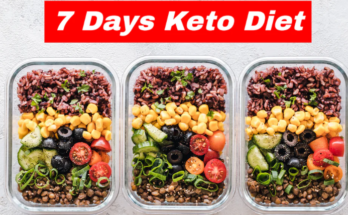
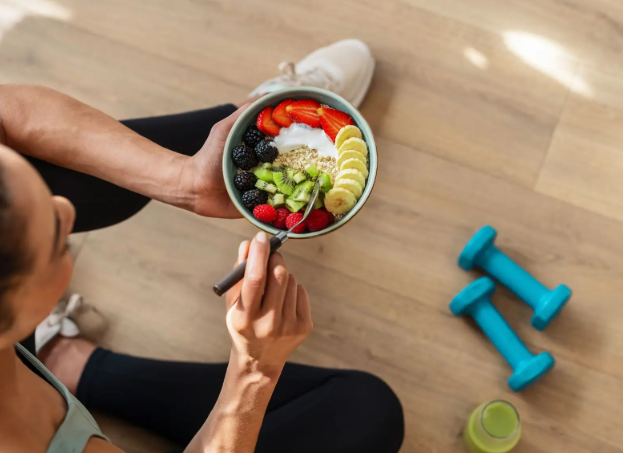
One of the easiest ways to begin is by simplifying your approach to food. Rather than following complicated meal plans, focus on eating a variety of natural and minimally processed foods. Fresh fruits, vegetables, whole grains, and lean proteins provide essential nutrients that your body needs to function properly. Drinking enough water throughout the day also plays a crucial role in maintaining energy and overall health.
It is important to remember that healthy eating does not mean giving up the foods you love. Instead, it involves moderation. Allowing yourself to enjoy treats occasionally can help prevent feelings of restriction and make your habits more sustainable in the long term. A practical mindset is to aim for consistency rather than perfection.
Physical activity is another key part of healthy living, but it does not have to involve hours at the gym. Simple movements such as walking, stretching, or dancing can make a meaningful difference. The goal is to stay active in ways that feel enjoyable rather than forced. When exercise becomes something you look forward to, it is easier to maintain as part of your routine.
Incorporating movement into your daily life can be as simple as taking the stairs instead of the elevator, going for a short walk during breaks, or doing light exercises at home. These small actions add up over time and contribute to improved physical and mental health.
Rest and recovery are often overlooked, yet they are essential for a healthy lifestyle. Getting enough sleep allows your body to repair and recharge. Poor sleep can affect mood, concentration, and overall well-being. Establishing a consistent sleep routine, such as going to bed at the same time each night and limiting screen time before sleep, can significantly improve sleep quality.
Mental well-being is just as important as physical health. Taking time to relax, reflect, and manage stress can help create a more balanced life. Simple practices such as deep breathing, spending time in nature, or engaging in hobbies can have a positive impact on your mental state. Staying connected with supportive friends and family also contributes to emotional health.
Another practical aspect of healthy living is setting realistic goals. Trying to change everything at once can be overwhelming and difficult to maintain. Instead, focus on one or two small changes at a time. For example, you might start by drinking more water each day or adding a short walk to your routine. Once these habits become part of your lifestyle, you can gradually build on them.
Consistency is more important than intensity. Small, steady efforts lead to lasting results. It is normal to have days when things do not go as planned. Rather than feeling discouraged, it is helpful to view these moments as part of the process. What matters most is returning to your healthy habits without self-judgment.
Creating a supportive environment can also make healthy living easier. Keeping nutritious foods available, setting reminders for movement, and organizing your space to encourage positive habits can help you stay on track. Surrounding yourself with people who support your goals can provide motivation and encouragement.
Time management plays a role in maintaining a healthy lifestyle as well. Planning simple meals, scheduling time for activity, and setting aside moments for rest can help you stay consistent even during busy periods. Healthy living does not require large amounts of free time, but it does benefit from intentional choices.
It is also important to listen to your body. Everyone has different needs, and what works for one person may not work for another. Paying attention to how you feel can help you make adjustments that suit your lifestyle. This personalized approach makes healthy living more practical and sustainable.
Financial considerations can also be part of the conversation. Healthy living does not have to be expensive. Simple foods like grains, seasonal produce, and home-cooked meals are often more affordable than processed options. Activities such as walking or home workouts require little to no cost, making them accessible to many people.
Technology can be used as a helpful tool when approached mindfully. Apps that track steps, remind you to drink water, or guide short workouts can support your efforts. However, it is important to avoid becoming overly dependent on them. The goal is to build habits that you can maintain independently.
Over time, these small, practical choices begin to shape a healthier lifestyle. The process does not need to be rushed. Gradual progress allows habits to become part of your daily routine without feeling forced. This approach reduces stress and increases the likelihood of long-term success.
Healthy living is not a destination but an ongoing journey. It evolves with your needs, preferences, and circumstances. By keeping things simple and focusing on what truly matters, you can create a lifestyle that supports your well-being in a realistic and enjoyable way.
In the end, the most important aspect of healthy living is sustainability. When your habits fit naturally into your life, they are easier to maintain. By choosing balance, consistency, and practicality, you can build a healthy lifestyle that feels both achievable and rewarding.