Healthy living is often portrayed as a demanding journey filled with strict diets, intense workout plans, and overwhelming lifestyle changes. For many people, this perception creates a barrier that prevents them from even getting started. The truth is that living a healthy life does not have to be complicated. It can be simple, flexible, and sustainable when approached with the right mindset.
At its core, healthy living is about making small, consistent choices that support your well-being over time. It is not about perfection or following rigid rules. Instead, it is about balance, awareness, and gradual improvement. When you remove the pressure to do everything perfectly, the process becomes more enjoyable and much easier to maintain.
One of the simplest ways to begin is by focusing on everyday habits. Drinking enough water, for example, is a small action that can have a meaningful impact on your energy levels and overall health. Many people underestimate how much hydration affects their daily functioning. By simply keeping a glass or bottle of water nearby and sipping regularly, you are already taking a step toward a healthier routine.
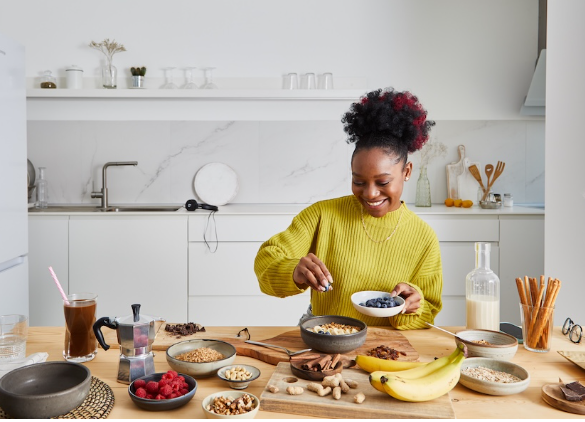
Food choices are another area where simplicity can make a big difference. Healthy eating does not require complicated recipes or expensive ingredients. It can start with adding more natural, whole foods into your meals. Fresh fruits, vegetables, grains, and lean proteins are widely available and easy to prepare. Instead of trying to completely eliminate certain foods, a more practical approach is to focus on adding nutritious options while still enjoying your favorite meals in moderation.
Listening to your body is an essential part of uncomplicated healthy living. Your body often signals what it needs, whether it is rest, movement, or nourishment. Taking a moment to notice how you feel after eating certain foods or engaging in certain activities can guide you toward better choices without the need for strict rules. This awareness helps you build habits that are tailored to your own needs rather than following a one-size-fits-all plan.
Physical activity is another area where people tend to overcomplicate things. Exercise does not have to mean spending hours at the gym or following a demanding program. Simple activities such as walking, stretching, or light home workouts can be very effective. The key is consistency. Moving your body regularly, even in small ways, contributes to both physical and mental well-being. Finding activities that you genuinely enjoy makes it much easier to stay active without feeling forced.
Rest and sleep are often overlooked but play a crucial role in maintaining health. A well-rested body functions better, both physically and mentally. Establishing a consistent sleep routine, even if it is not perfect, can improve your overall quality of life. Simple habits such as reducing screen time before bed or creating a calm sleeping environment can make a noticeable difference.
Mental well-being is just as important as physical health. Taking time to relax, reflect, and manage stress is a key part of living well. This does not require complex practices. It can be as simple as taking a few minutes each day to breathe deeply, step outside, or enjoy a quiet moment. Building these small pauses into your day helps create a sense of balance and calm.
Another important aspect of uncomplicated healthy living is setting realistic expectations. Trying to change everything at once can lead to frustration and burnout. Instead, focusing on one or two small changes at a time allows you to build confidence and create lasting habits. Progress, even if it is slow, is still meaningful. Over time, these small steps add up to significant improvements.
Social connections also play a valuable role in health. Spending time with supportive people, whether friends or family, can improve mood and provide motivation. Healthy living does not have to be a solitary effort. Sharing meals, activities, or even conversations with others can make the experience more enjoyable and sustainable.
It is also helpful to let go of the idea that healthy living must look a certain way. Everyone has different lifestyles, preferences, and challenges. What works for one person may not work for another. By focusing on what feels manageable and realistic for you, it becomes easier to create a routine that fits naturally into your life.
Flexibility is a key element of maintaining a healthy lifestyle without complication. There will be days when things do not go as planned, and that is completely normal. Instead of viewing these moments as failures, it is more helpful to see them as part of the process. Returning to your habits without guilt or pressure keeps you moving forward.
Creating a healthy environment can also support your efforts. Keeping simple, nutritious foods available, setting aside time for movement, and maintaining a comfortable space for rest all contribute to making healthy choices easier. When your environment supports your goals, you do not have to rely solely on willpower.
Technology can be used in a supportive way as well. Simple reminders, step counters, or meal planning tools can help you stay on track without adding complexity. The goal is to use these tools as aids, not as strict systems that create stress.
Ultimately, healthy living without complication is about finding what works for you and building from there. It is about making choices that feel natural and sustainable rather than overwhelming. By focusing on simple actions, listening to your body, and allowing flexibility, you can create a lifestyle that supports your well-being in a realistic and enjoyable way.
When health is approached with simplicity and kindness toward yourself, it becomes less of a burden and more of a natural part of everyday life. Over time, these small, manageable habits can lead to meaningful and lasting improvements, proving that living well does not have to be complicated.