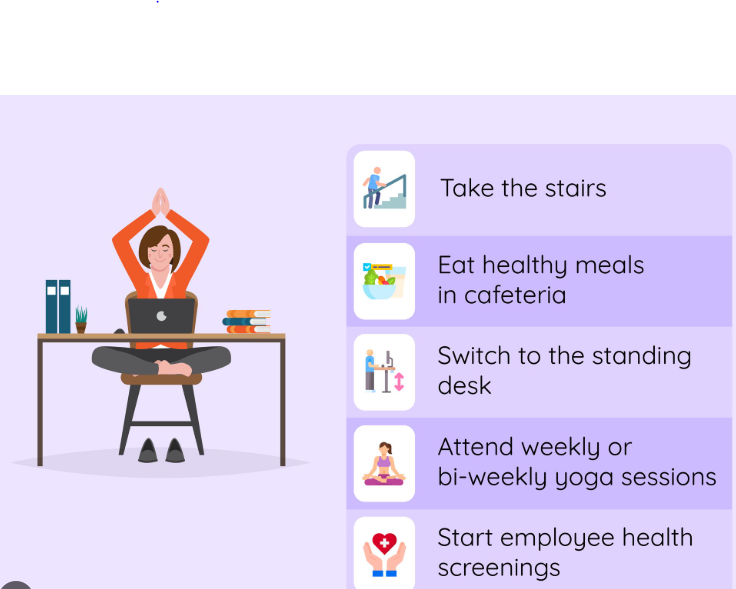
Creating a balanced daily routine is one of the most effective ways to improve overall well-being, increase productivity, and maintain a sense of control in everyday life. A well-structured routine does not mean filling every minute with tasks or striving for perfection. Instead, it involves designing a flexible framework that supports your physical health, mental clarity, and personal goals while allowing room for rest and unexpected changes.
A good place to begin is by understanding your priorities. Everyone’s routine should reflect what matters most to them. For some, that may be career growth or academic success. For others, it could be family time, creative pursuits, or maintaining good health. When you clearly identify your priorities, it becomes easier to allocate your time in a meaningful way rather than reacting to each day as it comes.
Sleep is the foundation of any balanced routine. Without proper rest, it becomes difficult to focus, stay motivated, or maintain a positive mood. Establishing a consistent sleep schedule by going to bed and waking up at the same time each day helps regulate your body’s internal clock. A calming bedtime ritual, such as reading or reducing screen exposure, can also improve sleep quality. When your body is well-rested, everything else in your routine becomes more manageable.
Morning habits set the tone for the entire day. Instead of rushing immediately into tasks, consider starting your morning with intention. This might include light stretching, a short walk, journaling, or simply enjoying a quiet moment. A mindful morning allows you to ease into the day rather than feeling overwhelmed from the start. It also creates a sense of stability, even when the rest of the day becomes busy.
Planning your day ahead of time is another key component. You do not need a rigid schedule, but having a general outline helps reduce stress and decision fatigue. Identify your most important tasks and aim to complete them during periods when your energy levels are highest. Some people work best in the morning, while others feel more productive later in the day. Understanding your natural rhythm allows you to work more efficiently without forcing yourself into an unsuitable pattern.
At the same time, it is important to avoid overloading your schedule. A common mistake is trying to do too much in a single day, which can lead to burnout and frustration. Instead, focus on a few meaningful tasks and give yourself enough time to complete them properly. Leaving space between activities can also make your routine feel less rushed and more sustainable in the long run.
Physical activity plays a crucial role in maintaining balance. Exercise does not need to be intense or time-consuming to be beneficial. Even moderate activities such as walking, stretching, or cycling can improve energy levels, reduce stress, and support overall health. The key is consistency. Finding an activity you enjoy makes it easier to incorporate movement into your daily routine without it feeling like an obligation.
Equally important is making time for meals that nourish your body. Eating regularly and choosing balanced foods can help maintain stable energy levels throughout the day. Taking the time to enjoy your meals, rather than rushing through them, also contributes to a healthier relationship with food and provides a natural pause in your schedule.
Mental well-being should not be overlooked. Incorporating moments of relaxation or reflection can make a significant difference in how you feel. This might include meditation, deep breathing exercises, or simply stepping away from work for a few minutes. These small breaks allow your mind to reset and improve your ability to focus when you return to your tasks.
Another essential aspect of a balanced routine is setting boundaries. It can be tempting to stay constantly connected or to take on more responsibilities than you can handle. However, protecting your time and energy is necessary for maintaining balance. Learning to say no when needed and setting limits on work or screen time can help create a healthier relationship with your daily activities.
Flexibility is what turns a routine into a sustainable lifestyle rather than a rigid system. Unexpected events, changes in mood, or shifts in priorities are all part of life. Instead of viewing these as disruptions, consider them opportunities to adjust your routine. A balanced daily structure should support you, not restrict you. Allowing room for change makes it easier to stay consistent over time.
Incorporating activities that bring you joy is just as important as completing responsibilities. Whether it is reading, listening to music, spending time with loved ones, or pursuing a hobby, these moments add meaning to your day. A routine that focuses only on productivity can quickly become exhausting, while one that includes enjoyment feels more fulfilling and motivating.
Evening habits are just as important as morning ones. Taking time to wind down helps signal to your body that the day is coming to an end. Reflecting on what you accomplished, no matter how small, can create a sense of satisfaction and encourage a positive mindset. Preparing for the next day by organizing your tasks or setting out essentials can also make your mornings smoother and less stressful.
Building a balanced routine takes time and patience. It is not about creating a perfect schedule from the start, but about making gradual adjustments that fit your lifestyle. What works for one person may not work for another, so it is important to experiment and find what suits you best. Paying attention to how you feel throughout the day can guide you in making improvements.
Consistency is more valuable than perfection. Missing a planned activity or having an unproductive day does not mean your routine has failed. What matters is returning to your habits and continuing to build a structure that supports your well-being. Over time, these small, consistent actions can lead to significant improvements in both productivity and overall quality of life.
In the end, a balanced daily routine is about creating harmony between work, rest, and personal fulfillment. By prioritizing your needs, staying flexible, and maintaining healthy habits, you can build a routine that not only helps you achieve your goals but also allows you to enjoy the process along the way.