Daily life can often feel busy and demanding, leaving little room to focus on personal wellbeing. Yet the small choices we make each day can have a powerful impact on how we feel physically, mentally, and emotionally. Supporting your wellbeing does not require major life changes or complicated routines. Instead, it grows from simple, consistent habits that fit naturally into your lifestyle and help you feel more balanced and energized.
One of the most effective ways to support your wellbeing is to start your day with intention. The first moments after waking up can set the tone for everything that follows. Taking a few minutes to stretch, breathe deeply, or simply sit quietly can help you feel more grounded. Rather than immediately checking your phone or rushing into tasks, giving yourself a calm start allows your mind to wake up gently and prepares you for a more focused day.
Hydration is another essential yet often overlooked aspect of wellbeing. Drinking enough water throughout the day supports digestion, energy levels, and overall body function. Even mild dehydration can make you feel tired or unfocused. Keeping a glass or bottle of water nearby can serve as a simple reminder to stay hydrated. Choosing water over sugary drinks whenever possible is a small step that can make a noticeable difference over time.
Nutrition also plays a key role in how you feel each day. Eating balanced meals that include a variety of whole foods can provide your body with the nutrients it needs to function properly. This does not mean following strict diets or cutting out foods you enjoy. Instead, it is about finding a healthy balance and paying attention to how different foods make you feel. Including fruits, vegetables, whole grains, and protein in your meals can help maintain steady energy levels and support overall health.
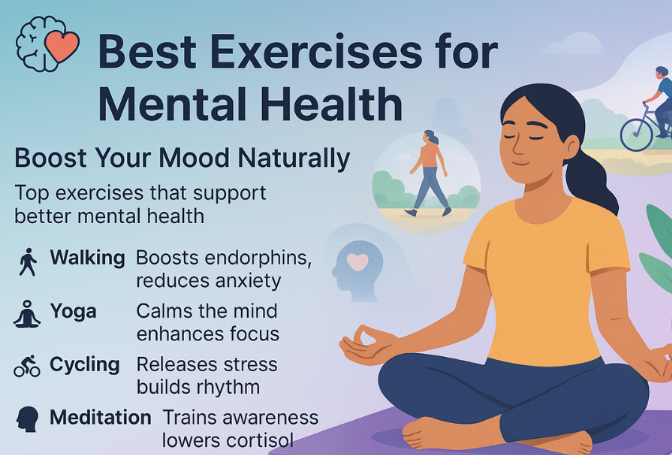
Movement is another important pillar of wellbeing. Regular physical activity does not have to be intense or time-consuming to be beneficial. Even gentle activities such as walking, stretching, or light exercise can improve mood and reduce stress. Moving your body helps release tension and can boost your energy naturally. Finding activities you enjoy makes it easier to stay consistent and turn movement into a daily habit rather than a chore.
Rest and sleep are equally important. Getting enough quality sleep allows your body and mind to recover and function at their best. Creating a simple bedtime routine can help signal to your body that it is time to rest. This might include dimming the lights, avoiding screens before bed, or engaging in relaxing activities such as reading. Consistency in sleep schedules can also improve the quality of your rest, helping you wake up feeling refreshed.
Mental wellbeing deserves just as much attention as physical health. Taking time to check in with your thoughts and emotions can help you better understand your needs. Practices such as journaling or mindful breathing can provide a healthy outlet for stress and help you stay present. It is normal to experience ups and downs, and giving yourself space to process these feelings can lead to greater emotional balance.
Connection with others is another valuable part of wellbeing. Spending time with supportive people, whether friends, family, or community members, can improve your mood and provide a sense of belonging. Even small interactions, such as a kind conversation or a shared laugh, can have a positive impact. Building and maintaining connections does not require large gatherings; meaningful moments often come from simple, genuine interactions.
Taking breaks throughout the day is also important, especially during periods of work or study. Short pauses can help refresh your mind and prevent burnout. Stepping away from tasks, even for a few minutes, can improve focus and productivity when you return. These breaks can be used to stretch, take a few deep breaths, or simply rest your eyes.
Spending time in natural environments can also support your wellbeing. Fresh air and natural surroundings can have a calming effect and help reduce stress. Whether it is a walk in a park, sitting outside, or simply opening a window to let in fresh air, connecting with nature can provide a sense of peace and clarity.
Limiting exposure to negative influences is another helpful step. This includes being mindful of the content you consume, whether it is news, social media, or other sources. Choosing content that is informative, positive, or inspiring can help maintain a healthier mindset. It is not about avoiding reality, but rather creating a balanced environment that supports your mental wellbeing.
Practicing gratitude can also shift your perspective in a meaningful way. Taking a moment each day to reflect on what you appreciate can help you focus on positive aspects of your life. This simple habit can improve mood and create a greater sense of satisfaction over time. Gratitude does not require big events; even small moments can be meaningful when acknowledged.
Another important aspect of wellbeing is setting realistic expectations for yourself. Trying to do too much at once can lead to stress and frustration. Breaking tasks into smaller steps and allowing yourself time to complete them can make your day feel more manageable. Being kind to yourself and recognizing your efforts, even when progress feels slow, can help build confidence and resilience.
Creating a comfortable and organized environment can also contribute to your sense of wellbeing. A clean and tidy space can make it easier to relax and focus. Small changes, such as organizing your workspace or adding elements that bring you comfort, can make a noticeable difference in how you feel throughout the day.
It is also important to listen to your body and respond to its needs. If you feel tired, giving yourself permission to rest can be more beneficial than pushing through exhaustion. Similarly, if you feel stressed, taking a moment to pause and reset can help you regain balance. Paying attention to these signals can help you make choices that support your overall wellbeing.
Consistency is key when it comes to building habits that support your wellbeing. Small actions repeated daily can lead to lasting positive changes. Rather than aiming for perfection, focus on progress and find what works best for you. Everyone’s needs are different, and your approach to wellbeing should reflect your own preferences and lifestyle.
In the end, supporting your wellbeing is about creating a daily rhythm that feels sustainable and fulfilling. By incorporating simple practices such as mindful mornings, balanced nutrition, regular movement, and meaningful connections, you can build a foundation that helps you feel your best. These small, intentional steps can add up over time, helping you create a healthier and more balanced life.