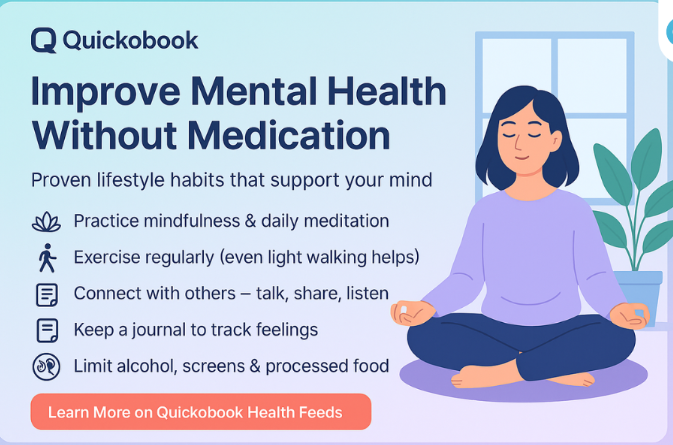
Wellbeing is often imagined as something distant or difficult to achieve, requiring major life changes or perfect circumstances. In reality, it is built through small, consistent actions that gently support both mind and body. By weaving simple habits into daily routines, anyone can create a more balanced and fulfilling life without pressure or overwhelm. The key is to approach wellbeing as a friendly companion rather than a strict goal.
One of the easiest ways to support wellbeing is by paying attention to how each day begins. Mornings set the tone for everything that follows. Instead of rushing immediately into tasks or checking notifications, taking a few quiet moments can make a noticeable difference. This might mean stretching lightly, enjoying a warm drink, or simply breathing slowly for a minute or two. These small pauses help the mind wake up calmly and create a sense of control before the day becomes busy.
Movement is another important piece of everyday wellbeing, but it does not need to be intense or time-consuming. Gentle activities like walking, light stretching, or even tidying up a space can keep the body active and energized. The goal is not perfection but consistency. Moving regularly helps improve mood, supports physical health, and can even boost focus throughout the day. Choosing activities that feel enjoyable rather than forced makes it easier to stay consistent over time.
Equally important is the way people nourish themselves. Eating balanced meals does not require strict rules or complicated plans. It can be as simple as including a variety of foods and paying attention to hunger and fullness cues. Drinking enough water is another often overlooked habit that supports energy levels and concentration. When meals are approached with awareness instead of stress, they become a positive and supportive part of daily life.
Rest plays a major role in wellbeing, yet it is frequently underestimated. Quality sleep helps the body recover and the mind reset. Creating a calm evening routine can make it easier to fall asleep and wake up refreshed. This might include dimming lights, reducing screen time, or engaging in a relaxing activity such as reading or listening to soothing sounds. Even small adjustments can improve sleep over time and lead to better overall balance.
Emotional wellbeing is just as important as physical health. Taking time to notice thoughts and feelings without judgment can help create a sense of clarity and calm. Writing in a journal, talking with a trusted person, or simply pausing to reflect can make emotions feel more manageable. It is not about eliminating difficult feelings but learning to respond to them with patience and understanding.
Connection with others also supports a healthy sense of wellbeing. Simple interactions, such as sharing a conversation or checking in with someone, can bring comfort and a sense of belonging. These moments do not need to be long or elaborate to be meaningful. Even small gestures of kindness, like offering a smile or expressing gratitude, can strengthen connections and improve mood for both sides.
Spending time in a comfortable environment can have a powerful effect on how people feel each day. Creating a space that feels calm and welcoming does not require major changes. It might involve organizing a small area, adding natural light, or keeping favorite items nearby. A peaceful environment supports relaxation and makes it easier to focus on daily tasks without unnecessary stress.
Another helpful idea is to take short breaks throughout the day. Continuous work without rest can lead to fatigue and reduced productivity. Pausing for a few minutes to stretch, step outside, or simply rest the eyes can restore energy and improve concentration. These breaks act as gentle resets that help maintain balance even during busy schedules.
Limiting unnecessary stress is an important part of maintaining wellbeing. While not all stress can be avoided, it is possible to manage how it is approached. Breaking tasks into smaller steps, setting realistic expectations, and allowing time for rest can prevent feelings of overwhelm. Being kind to oneself during challenging moments is just as important as completing tasks.
Engaging in activities that bring joy is another simple yet powerful way to support wellbeing. This could be anything from listening to music, drawing, cooking, or exploring a hobby. These activities provide a sense of enjoyment and creativity, which can help balance daily responsibilities. Making time for these moments, even briefly, adds a sense of fulfillment to everyday life.
Mindfulness can also be gently introduced into daily routines. This does not require long periods of meditation. It can be as simple as paying attention to the present moment while walking, eating, or breathing. Noticing small details, such as sounds, textures, or scents, can bring a sense of calm and help reduce mental clutter.
Maintaining a positive outlook does not mean ignoring challenges. Instead, it involves recognizing small moments of progress and appreciating what is going well. Practicing gratitude, even in simple ways, can shift attention toward positive experiences. Over time, this habit can support a more balanced perspective and improve overall mood.
Consistency is more valuable than intensity when it comes to wellbeing. Small actions repeated daily create lasting effects. Trying to change everything at once can feel overwhelming, while focusing on one or two simple habits at a time allows for steady progress. Each positive step builds upon the last, gradually creating a stronger foundation for wellbeing.
It is also helpful to remember that wellbeing looks different for everyone. What works for one person may not work for another, and that is completely fine. The goal is to find habits and routines that feel supportive and realistic. Listening to personal needs and adjusting accordingly helps create a sustainable approach that can be maintained over time.
Taking care of wellbeing is not about achieving perfection or following strict rules. It is about creating a lifestyle that feels balanced, supportive, and enjoyable. By embracing small, everyday ideas, anyone can move toward a healthier and more fulfilling life. These gentle changes may seem simple, but their impact can grow significantly over time, shaping a more positive and steady sense of wellbeing.