Living a healthy life is often portrayed as something complicated, expensive, or time-consuming. Many people imagine strict diets, intense workout routines, and a complete overhaul of their daily habits. In reality, healthy living does not have to be overwhelming. It can be simple, flexible, and accessible to anyone willing to take small, consistent steps toward better well-being.
At its core, healthy living is about balance. It is not about perfection or following rigid rules. Instead, it focuses on making choices that support physical, mental, and emotional health over time. This means nourishing the body with wholesome foods, staying active in enjoyable ways, getting enough rest, and managing stress effectively. When these elements come together, they create a sustainable lifestyle that feels natural rather than forced.
One of the most approachable ways to begin a healthier lifestyle is by paying attention to daily habits. Small changes can have a significant impact. For example, drinking more water throughout the day can improve energy levels, support digestion, and enhance overall body function. Choosing home-cooked meals more often allows for better control over ingredients and portion sizes. These simple actions do not require special skills or large investments, yet they can lead to noticeable improvements over time.
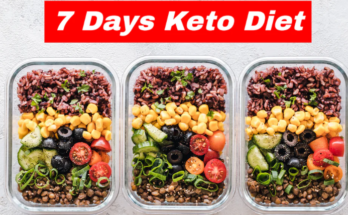
Food plays an essential role in health, but it does not have to be complicated. Instead of focusing on restrictions, it is more helpful to think about adding nourishing options. Including more fruits, vegetables, whole grains, and lean proteins in meals can naturally crowd out less beneficial choices. Eating should be enjoyable, not stressful. Allowing flexibility and occasional treats helps maintain a positive relationship with food and prevents feelings of deprivation.
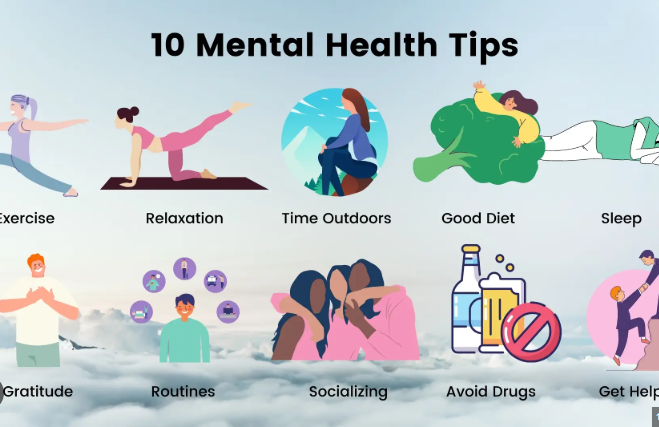
Physical activity is another key component of a healthy lifestyle, and it does not have to mean spending hours at the gym. Movement can be integrated into everyday life in ways that feel enjoyable and manageable. Walking, dancing, cycling, or even stretching at home can all contribute to better fitness and overall health. The most important factor is consistency. Finding activities that bring joy increases the likelihood of maintaining them in the long run.
Rest and recovery are often overlooked, yet they are just as important as nutrition and exercise. Quality sleep supports the body’s ability to repair itself, boosts mood, and enhances cognitive function. Creating a calming bedtime routine, reducing screen time before sleep, and maintaining a consistent schedule can improve sleep quality. Even small adjustments in this area can lead to noticeable changes in energy and focus during the day.
Mental and emotional well-being are equally important aspects of healthy living. Stress is a natural part of life, but managing it effectively makes a big difference. Simple practices such as deep breathing, mindfulness, or taking short breaks during the day can help maintain a sense of calm. Spending time with supportive people and engaging in hobbies also contributes to emotional balance. A healthy lifestyle is not just about the body; it includes nurturing the mind as well.
Accessibility is a crucial part of making healthy living sustainable. Not everyone has access to expensive gyms, specialty foods, or wellness programs, and that is perfectly okay. Health can be supported with basic, widely available resources. Local markets often provide fresh produce at reasonable prices. Public spaces like parks offer opportunities for physical activity. Online resources can guide simple home workouts or meal ideas. The goal is to work with what is available rather than striving for an ideal that may not be realistic.
Another important factor is mindset. Approaching healthy living with kindness toward oneself can make the journey more enjoyable and sustainable. It is normal to have days that do not go as planned. Instead of feeling discouraged, it is helpful to view these moments as part of the process. Progress is not linear, and every small step counts. Building habits gradually allows them to become part of everyday life without feeling overwhelming.
Time is often cited as a barrier to healthy living, yet many healthy choices can be incorporated into even the busiest schedules. Preparing simple meals in advance, taking short walks during breaks, or practicing quick relaxation techniques can fit into daily routines without requiring major adjustments. It is not about finding extra time, but about using existing time more intentionally.
Community and support can also play a valuable role in maintaining a healthy lifestyle. Sharing goals with friends or family members can provide encouragement and accountability. Even virtual communities can offer motivation and ideas. Knowing that others are on a similar journey can make the process feel less isolating and more achievable.
Technology can be a helpful tool when used mindfully. Apps that track activity, remind users to drink water, or provide guided exercises can support healthy habits. However, it is important to use these tools as aids rather than sources of pressure. The focus should remain on personal well-being rather than comparison or perfection.
Healthy living is not about achieving a specific image or meeting external expectations. It is about feeling better, having more energy, and improving quality of life. Each person’s journey will look different, and that is completely valid. What works for one individual may not work for another, so it is important to find an approach that feels realistic and enjoyable.
In the end, making healthy living easy and accessible comes down to simplifying the process. It involves focusing on small, meaningful changes rather than drastic transformations. By prioritizing balance, consistency, and self-compassion, anyone can build a lifestyle that supports long-term well-being.
The journey toward better health does not require perfection or complexity. It begins with simple choices made each day. Over time, these choices add up, creating a foundation for a healthier, more fulfilling life that is both achievable and sustainable for everyone.