Living a healthy life often sounds like a full-time commitment filled with strict diets, intense workout plans, and routines that feel impossible to maintain. In reality, healthy living does not have to be complicated or overwhelming. The most effective approach is one that fits naturally into your daily life, respects your personal preferences, and evolves with your schedule. Small, consistent changes can lead to meaningful improvements in how you feel, think, and function every day.
One of the most important aspects of healthy living is understanding that there is no single “perfect” routine. What works well for one person may not suit another. Your lifestyle, work schedule, family responsibilities, and cultural habits all play a role in shaping what is realistic for you. Instead of trying to follow trends or extreme routines, it is more helpful to focus on simple habits that you can maintain comfortably over time.
Nutrition is often the first thing people think about when it comes to health, and for good reason. The food you eat fuels your body and mind. However, healthy eating does not mean giving up your favorite meals or following strict rules. It is about balance and awareness. Incorporating more whole foods such as fruits, vegetables, whole grains, and lean proteins into your meals can make a significant difference. At the same time, allowing yourself to enjoy treats occasionally helps maintain a positive relationship with food. Drinking enough water throughout the day is another simple yet powerful habit that supports overall well-being.
Physical activity is another key part of a healthy lifestyle, but it does not have to involve long hours at the gym. Movement can be integrated into your daily routine in ways that feel natural and enjoyable. Walking, stretching, dancing, or even doing household chores can contribute to your physical health. The goal is to stay active in a way that feels good rather than forced. When exercise becomes something you look forward to instead of something you dread, it is much easier to stay consistent.
Sleep is often overlooked, yet it plays a crucial role in maintaining good health. Getting enough rest helps your body recover, supports your immune system, and improves your mood and focus. Creating a relaxing bedtime routine can make it easier to fall asleep and stay asleep. This might include reducing screen time before bed, keeping your sleeping environment comfortable, and going to bed at a consistent time each night. Even small improvements in sleep quality can have a noticeable impact on your daily energy levels.
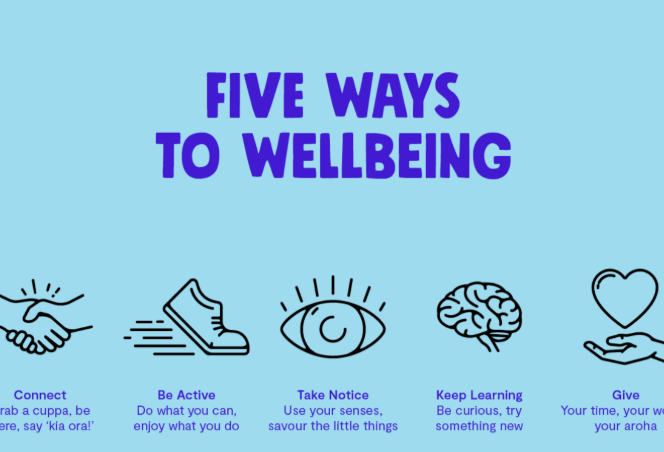
Mental well-being is just as important as physical health. Taking time to care for your mind can help reduce stress and improve your overall quality of life. This does not require complicated practices. Simple activities such as taking a few minutes to breathe deeply, spending time outdoors, or engaging in hobbies you enjoy can help you feel more balanced. Staying connected with friends and family also provides emotional support and strengthens your sense of belonging.
Another helpful approach to healthy living is setting realistic goals. Instead of trying to change everything at once, focus on one or two habits at a time. For example, you might start by adding an extra serving of vegetables to your meals or taking a short walk each day. Once these habits become part of your routine, you can gradually build on them. This step-by-step approach reduces the feeling of being overwhelmed and increases your chances of long-term success.
Listening to your body is an essential part of creating a lifestyle that works for you. Pay attention to how different foods, activities, and routines make you feel. If something leaves you feeling energized and positive, it is likely a good fit. If it causes discomfort or stress, it may need to be adjusted. Your body provides valuable feedback, and learning to respond to it can help you make better choices over time.
Flexibility is also important. Life is unpredictable, and there will be days when your routine does not go as planned. Missing a workout or eating something less nutritious does not mean you have failed. Healthy living is about consistency over time, not perfection. Being kind to yourself and allowing room for change makes it easier to stay on track in the long run.
Your environment can also influence your habits. Making small adjustments to your surroundings can support healthier choices. Keeping nutritious foods easily accessible, creating a comfortable space for relaxation, and organizing your schedule to include time for movement and rest can all make a difference. These changes do not have to be drastic, but they can help guide your daily decisions in a positive direction.
Staying motivated can sometimes be challenging, especially when results are not immediate. It can be helpful to focus on how your habits make you feel rather than just looking for visible changes. Increased energy, better mood, improved focus, and a sense of accomplishment are all valuable outcomes that come from healthy living. Celebrating these small wins can keep you motivated and engaged.
It is also important to remember that healthy living is a journey, not a destination. Your needs and priorities may change over time, and your routine should be able to adapt with you. What matters most is creating a lifestyle that supports your well-being in a way that feels sustainable and enjoyable.
Incorporating healthy habits into your life does not require drastic changes or rigid rules. By focusing on balance, consistency, and self-awareness, you can build a routine that fits your unique lifestyle. Whether it is choosing nourishing foods, staying active in simple ways, getting enough rest, or taking time for your mental well-being, every small step contributes to a healthier and more fulfilling life.