In a world full of wellness trends, conflicting advice, and constant updates on what we should or should not be doing, the idea of healthy living can start to feel overwhelming. Many people begin with good intentions, only to become discouraged when routines become too complicated or demanding. The truth is, living a healthy life does not need to involve strict rules, expensive products, or constant self-monitoring. It can be simple, flexible, and even enjoyable when approached with balance and a calm mindset.
At its core, healthy living is about supporting your body and mind in ways that feel sustainable. Instead of chasing perfection, it helps to focus on consistency and small, meaningful habits. Drinking enough water, getting adequate sleep, and moving your body regularly are foundational practices that often get overlooked because they seem too basic. Yet these simple actions can make a noticeable difference over time without adding stress to your daily routine.
One of the biggest challenges people face is overthinking their choices. Questions like whether a meal is “good enough” or if a workout is “effective enough” can create unnecessary pressure. Rather than aiming for ideal conditions, it is often more helpful to focus on doing something rather than nothing. A short walk still counts as movement. A homemade meal, even if not perfectly balanced, still nourishes your body. Progress does not require perfection.
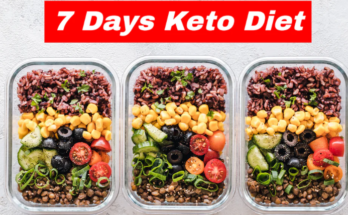
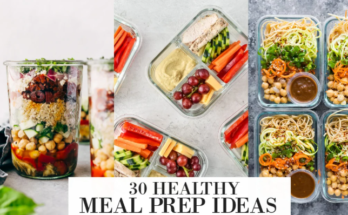
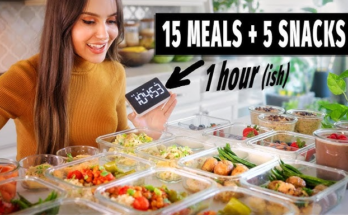
Food is often where overthinking shows up the most. With so many diets and guidelines available, it is easy to feel unsure about what to eat. A more relaxed approach is to prioritize variety and moderation. Including fruits, vegetables, proteins, and grains in your meals is a practical way to support overall nutrition without needing to track every detail. Listening to your body’s hunger and fullness cues can also help guide your choices more naturally than rigid rules.
It is equally important to allow room for enjoyment. Food is not just fuel; it is also part of culture, connection, and daily pleasure. When people label certain foods as completely off-limits, it can create a cycle of restriction and guilt. A healthier approach is to include a wide range of foods while being mindful of balance. Enjoying a favorite treat occasionally does not undo your efforts, and it can actually make a healthy lifestyle feel more sustainable.
Physical activity is another area where simplicity can be powerful. Exercise does not have to mean intense routines or long hours at the gym. Moving your body in ways that you enjoy increases the likelihood that you will stay consistent. This might include walking, stretching, dancing, or playing a sport. The goal is to stay active in a way that feels natural and fits into your life, rather than forcing yourself into routines that feel like a burden.
Rest and recovery are often underestimated but are essential for maintaining balance. Getting enough sleep supports both physical and mental well-being, helping you feel more focused and energized throughout the day. Creating a simple nighttime routine, such as limiting screen time before bed or setting a consistent sleep schedule, can improve sleep quality without requiring major lifestyle changes.
Mental well-being is just as important as physical health, yet it is sometimes overlooked in conversations about healthy living. Taking time to pause, breathe, and reflect can help reduce stress and improve overall mood. This does not have to involve complicated techniques. Even a few minutes of quiet time, journaling, or stepping outside for fresh air can provide a sense of reset during a busy day.
Another helpful mindset shift is to stop comparing your habits to others. What works for one person may not work for another, and that is completely normal. Healthy living is not a competition or a one-size-fits-all formula. It is a personal journey that should adapt to your preferences, schedule, and needs. Paying attention to how your body responds to different habits can guide you toward choices that feel right for you.
Building a routine that supports your well-being does not require a complete lifestyle overhaul. Starting small can be more effective than making dramatic changes all at once. For example, adding one extra glass of water per day, taking short breaks to stretch, or preparing a simple meal at home can be meaningful steps. Over time, these small actions can grow into habits that feel effortless.
It is also important to be flexible. Life is unpredictable, and there will be days when plans do not go as expected. Missing a workout, eating differently than planned, or feeling less motivated does not mean you have failed. Instead of being overly critical, it helps to acknowledge these moments and gently return to your routine when you can. A flexible approach makes it easier to maintain healthy habits over the long term.
Social connections can also play a role in overall well-being. Spending time with supportive people, sharing meals, or engaging in activities together can contribute to a sense of balance and happiness. Healthy living is not just about individual actions; it is also about the environment and relationships that surround you.
Reducing overthinking often comes down to simplifying your approach and trusting yourself. You do not need to follow every trend or adopt every new piece of advice. Choosing a few basic habits and sticking with them consistently can be more effective than constantly changing your routine. When you focus on what feels manageable and realistic, healthy living becomes less of a task and more of a natural part of your life.
In the end, a healthy lifestyle is not defined by strict rules or constant effort. It is shaped by daily choices that support your well-being without adding unnecessary pressure. By keeping things simple, staying flexible, and focusing on consistency rather than perfection, you can create a way of living that feels both balanced and sustainable. Healthy living does not have to be complicated. Sometimes, the best approach is to take a step back, breathe, and allow yourself to move forward with ease.