Living a balanced and fulfilling lifestyle does not require drastic changes or overwhelming routines. Often, it is the small, consistent habits that shape the way we feel, think, and function each day. By focusing on simple and practical steps, anyone can create a more supportive environment for their physical health, mental clarity, and overall well-being. The goal is not perfection but progress, built through manageable actions that fit naturally into daily life.
One of the most effective ways to support your lifestyle is by paying attention to your daily routine. Establishing a consistent schedule helps your body and mind stay in sync. Waking up and going to bed at regular times improves sleep quality, which in turn affects energy levels, mood, and productivity. Even if your schedule varies, maintaining a general rhythm can make a noticeable difference in how you feel throughout the day.
Nutrition also plays a key role in supporting a healthy lifestyle. Rather than focusing on strict diets, it is more helpful to aim for balance. Including a variety of whole foods such as fruits, vegetables, grains, and proteins can provide the nutrients your body needs. Drinking enough water is equally important, as hydration supports digestion, concentration, and overall bodily functions. Making small improvements, like adding an extra serving of vegetables or choosing water over sugary drinks, can have lasting benefits.
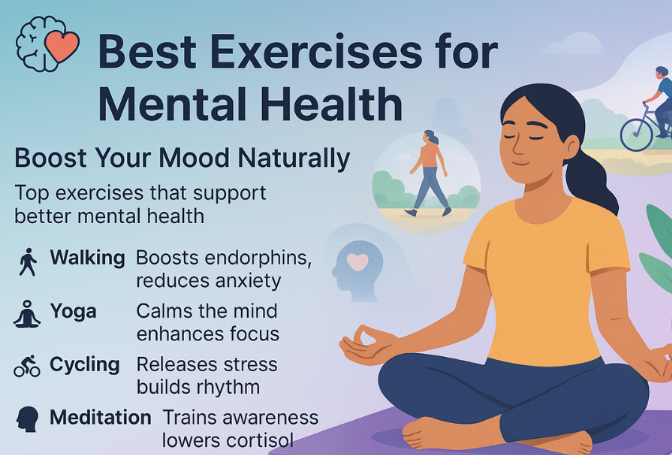
Physical activity is another essential component, but it does not have to be intense or time-consuming. Simple movements such as walking, stretching, or light exercise can help maintain flexibility, strength, and cardiovascular health. The key is consistency. Finding activities you enjoy makes it easier to stay active without feeling like it is a chore. Whether it is a short walk in the morning or a few minutes of stretching in the evening, these small efforts contribute to long-term wellness.
Mental well-being is just as important as physical health. Taking time to relax and recharge can help reduce stress and improve focus. This might include activities like reading, listening to music, or spending quiet time alone. Practicing mindfulness, even for a few minutes a day, can help you stay present and manage daily challenges more effectively. It is also helpful to limit unnecessary stressors when possible and create a calm environment that supports relaxation.
Another important aspect of a supportive lifestyle is maintaining positive connections with others. Social interaction can improve mood and provide a sense of belonging. Whether it is spending time with family, talking with friends, or engaging in community activities, these connections add meaning to everyday life. Even small gestures, like checking in with someone or sharing a conversation, can strengthen relationships and contribute to emotional well-being.
Organization can also make a significant impact on your lifestyle. Keeping your living and working spaces tidy helps reduce distractions and creates a sense of control. Simple habits such as decluttering regularly, planning your tasks, and setting realistic goals can improve efficiency and reduce unnecessary stress. When your environment is organized, it becomes easier to focus on what truly matters.
It is also important to listen to your body and recognize when you need rest. Overworking or pushing yourself too hard can lead to burnout and decreased motivation. Taking breaks, getting enough sleep, and allowing yourself time to recover are essential for maintaining long-term balance. Rest is not a sign of weakness but a necessary part of a healthy routine.
Technology can be both helpful and overwhelming, so using it mindfully is key. Setting boundaries, such as limiting screen time or taking regular digital breaks, can improve focus and reduce mental fatigue. Using technology as a tool rather than a constant distraction allows you to stay more present in your daily activities and interactions.
Financial awareness is another element that supports a stable lifestyle. Simple habits like tracking expenses, saving regularly, and making thoughtful spending decisions can reduce stress and create a sense of security. It does not require complex strategies; even small steps toward managing finances can lead to greater peace of mind over time.
Personal growth also contributes to a fulfilling lifestyle. Learning new skills, exploring interests, or setting personal goals can provide a sense of purpose and achievement. This growth does not need to be fast or dramatic. Taking small steps toward self-improvement, whether through reading, practicing a hobby, or gaining new knowledge, helps build confidence and motivation.
Creating a supportive lifestyle is ultimately about finding what works best for you. Everyone’s needs and preferences are different, so it is important to make choices that align with your values and circumstances. Being flexible and open to change allows you to adapt as your life evolves. What matters most is building habits that are sustainable and meaningful over time.
Consistency is the foundation of lasting change. Instead of trying to do everything at once, focus on one or two small improvements and build from there. These gradual changes are easier to maintain and often lead to better results in the long run. Celebrating progress, no matter how small, can help keep you motivated and engaged.
In conclusion, supporting your lifestyle does not require complicated plans or extreme measures. By focusing on simple habits such as maintaining a routine, eating balanced meals, staying active, managing stress, and nurturing relationships, you can create a more balanced and enjoyable life. These small steps, practiced consistently, can lead to meaningful improvements in your overall well-being and help you feel more in control of your daily experience.