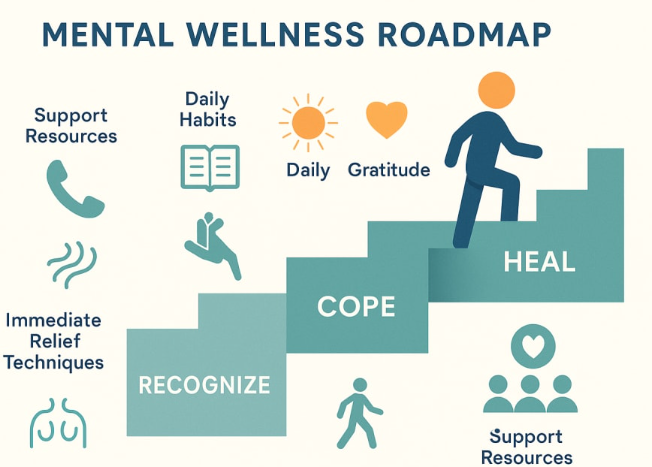
Finding balance in everyday life can feel like a moving target. Between work responsibilities, personal goals, relationships, and the constant flow of information, it is easy to feel stretched too thin. Yet balance is not about doing everything perfectly or dividing time equally among all areas of life. It is about creating small, consistent habits that support your physical, mental, and emotional well-being. When practiced daily, these habits can help you feel more grounded, focused, and in control.
One of the most effective ways to build balance is to begin your day with intention. The first moments after waking up often shape the tone for the rest of the day. Instead of reaching immediately for your phone or rushing into tasks, take a few quiet minutes for yourself. This could mean stretching, breathing deeply, or simply sitting in silence. Giving your mind a calm starting point helps reduce stress and improves clarity. Even five minutes can make a noticeable difference.
Another powerful habit is setting realistic priorities. Many people feel overwhelmed because they try to accomplish too much at once. A balanced day is not about completing a long list of tasks but about focusing on what truly matters. Each morning, choose two or three key tasks that will move you forward. By concentrating on fewer priorities, you reduce pressure and increase your sense of achievement. This approach also helps prevent burnout, which is a common barrier to maintaining balance.
Movement plays an essential role in daily balance. Physical activity does not have to be intense or time-consuming to be effective. Simple actions like walking, stretching, or light exercise can boost energy levels and improve mood. Regular movement supports both physical health and mental clarity. It can also act as a natural stress reliever, helping you reset during busy or challenging days. The key is consistency rather than intensity.
Equally important is taking mindful breaks. Many people believe that working continuously leads to better results, but this often leads to fatigue and reduced productivity. Short breaks throughout the day allow your mind to rest and recharge. Stepping away from your work, even briefly, can improve focus and creativity when you return. These pauses also give you a chance to check in with yourself and adjust your pace if needed.
Healthy boundaries are another crucial part of maintaining balance. In a connected world, it can be difficult to separate work and personal life. Setting clear limits on your time and energy helps protect your well-being. This might include turning off notifications after a certain hour or creating a dedicated space for work. Boundaries are not about restriction but about creating space for what matters most to you.
Nutrition also contributes significantly to how balanced you feel. Eating regular, nourishing meals helps maintain steady energy levels throughout the day. Skipping meals or relying on highly processed foods can lead to energy crashes and irritability. Simple, balanced meals that include a mix of nutrients can support both physical and mental performance. Staying hydrated is equally important, as even mild dehydration can affect concentration and mood.
Another often overlooked habit is practicing gratitude. Taking a moment each day to reflect on positive experiences can shift your mindset. This does not mean ignoring challenges but rather acknowledging the good alongside them. Gratitude can improve emotional resilience and help you maintain perspective during difficult times. Writing down a few things you appreciate each day is a simple way to build this habit.
Quality sleep is one of the foundations of a balanced life. Without adequate rest, it becomes much harder to manage stress, stay focused, and maintain a positive outlook. Creating a consistent sleep routine can improve both the quality and duration of your rest. This might include going to bed at the same time each night, reducing screen time before sleep, and creating a calm environment. Good sleep supports every other habit you are trying to build.
Connection with others is another important element of balance. Spending time with supportive friends, family, or colleagues can improve emotional well-being. Meaningful conversations and shared experiences help reduce feelings of isolation and increase a sense of belonging. Even small interactions, such as checking in with someone or sharing a kind word, can have a positive impact.
It is also helpful to include moments of reflection in your day. Taking time to review what went well and what could be improved allows you to grow and adjust. Reflection does not need to be complicated. A few quiet minutes at the end of the day can help you recognize progress and identify areas for change. This habit encourages self-awareness, which is key to maintaining balance over time.
Limiting unnecessary distractions can further support a balanced lifestyle. Constant notifications and interruptions can make it difficult to stay focused and can increase stress. Creating periods of uninterrupted time allows you to work more efficiently and feel more in control. This does not mean eliminating all distractions but being mindful of how they affect your day.
Self-compassion is another essential habit. It is easy to be critical of yourself when things do not go as planned. However, balance requires flexibility and understanding. Treating yourself with kindness during setbacks helps you recover more quickly and stay motivated. Recognizing that perfection is not the goal allows you to focus on progress instead.
Incorporating small moments of joy into your day can also make a big difference. Whether it is listening to music, enjoying a hobby, or spending time outdoors, these moments add meaning and satisfaction. They remind you that balance is not only about managing responsibilities but also about enjoying life.
Consistency is what ties all these habits together. You do not need to adopt every habit at once. Starting with one or two small changes can lead to meaningful improvements over time. As these habits become part of your routine, they naturally support each other and create a sense of balance.
Ultimately, balance is personal. What works for one person may not work for another. The goal is to find habits that align with your values and lifestyle. By making small, intentional choices each day, you can create a more balanced and fulfilling life.