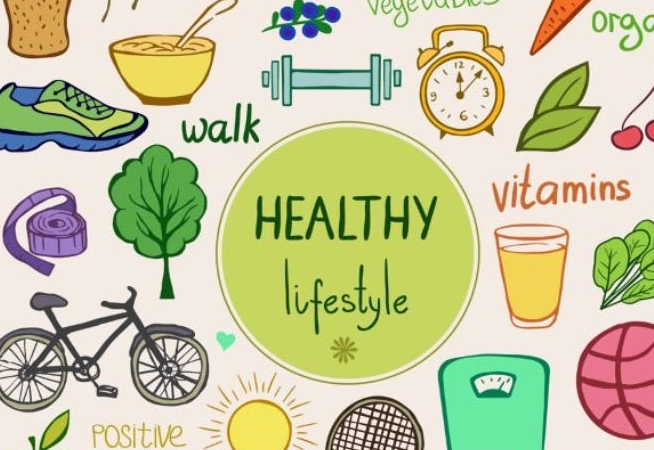
Building healthy habits often sounds like a serious, life-altering commitment, something that requires strict discipline and constant motivation. For many people, that idea alone can feel overwhelming. The good news is that developing healthier routines does not have to be stressful or extreme. In fact, the most sustainable habits are usually the ones that feel simple, flexible, and even enjoyable. By approaching change with a calm mindset and realistic expectations, it becomes much easier to build habits that last.
One of the most effective ways to begin is by letting go of the “all or nothing” mentality. Many people believe they must completely transform their lifestyle overnight, but that approach often leads to burnout. Instead, focus on small, manageable steps. If your goal is to exercise more, start with a short walk a few times a week rather than committing to an intense daily workout. These smaller actions build confidence and create a sense of progress without adding pressure.
Consistency matters more than perfection. It is completely normal to have days where things do not go as planned. Missing a workout or choosing a less healthy meal does not erase your progress. What truly matters is returning to your routine without guilt. When habits are built around flexibility, they are easier to maintain over time. This mindset helps reduce stress and keeps you moving forward in a positive way.
Another helpful strategy is to connect new habits with existing routines. This technique, often called habit stacking, makes it easier to remember and follow through. For example, if you already have a morning coffee ritual, you might pair it with a few minutes of stretching or mindful breathing. By linking a new habit to something familiar, it becomes a natural part of your day rather than an added burden.
Creating a supportive environment can also make a significant difference. Your surroundings influence your choices more than you might realize. Keeping healthy snacks within reach, setting out comfortable workout clothes, or organizing your space to reduce clutter can gently guide you toward better decisions. These small adjustments remove friction and make healthy actions feel effortless rather than forced.
It is equally important to listen to your body and respect your own pace. Everyone’s lifestyle, energy levels, and responsibilities are different. Comparing yourself to others can create unnecessary stress and unrealistic expectations. Instead, focus on what feels right for you. Some days you may have more energy to dedicate to your goals, while other days you may need rest. Both are valid and important for overall well-being.
Building healthy habits also involves taking care of your mental and emotional health. Practices such as mindfulness, journaling, or simply taking a few quiet moments during the day can help reduce stress and improve focus. When your mind feels balanced, it becomes easier to stay consistent with other habits like eating well and staying active. A calm mind supports a healthy body.
Motivation can come and go, so it helps to rely on structure rather than waiting to feel inspired. Setting gentle reminders, creating a simple schedule, or tracking your progress can provide a sense of direction. These tools are not meant to create pressure but to offer guidance. Over time, your habits will begin to feel automatic, requiring less effort and decision-making.
Celebrating small wins is another powerful way to stay encouraged. Progress does not have to be dramatic to be meaningful. Drinking more water, getting an extra hour of sleep, or taking a short walk are all positive steps. Acknowledging these moments reinforces your efforts and builds a positive relationship with change. This sense of achievement can motivate you to continue without feeling overwhelmed.
It is also helpful to keep your goals clear but flexible. Instead of setting rigid expectations, think of your habits as part of a broader intention to feel better and live well. This perspective allows room for adjustment as your needs evolve. Life is not static, and your habits do not need to be either. Adapting your routine when necessary helps maintain balance and prevents frustration.
Social support can make the process more enjoyable. Sharing your goals with a friend or family member, or even joining a community with similar interests, can provide encouragement and accountability. Positive connections can turn healthy habits into shared experiences, making them feel less like tasks and more like opportunities to connect and grow.
Rest and recovery are often overlooked but are essential components of a healthy lifestyle. Giving yourself permission to rest is not a sign of weakness; it is part of maintaining long-term balance. Adequate sleep, relaxation, and downtime help your body recharge and prepare for the next day. When you prioritize rest, you are more likely to stay consistent with your habits.
Another key aspect is being kind to yourself throughout the process. Self-criticism can create stress and make it harder to stay on track. Instead, practice self-compassion. Recognize that change takes time and that setbacks are a natural part of growth. Treat yourself with the same understanding you would offer a friend. This approach fosters resilience and helps you move forward with confidence.
Healthy habits are not about restriction or rigid rules. They are about creating a lifestyle that supports your well-being in a balanced and sustainable way. When you focus on gradual progress, flexibility, and self-care, the process becomes less intimidating and more rewarding. Over time, these small changes add up, leading to lasting improvements in both physical and mental health.
By removing pressure and embracing a gentle approach, you can build habits that fit seamlessly into your life. There is no need for drastic changes or strict routines. Instead, focus on what feels achievable and enjoyable. With patience and consistency, healthy habits can become a natural and positive part of your everyday routine.