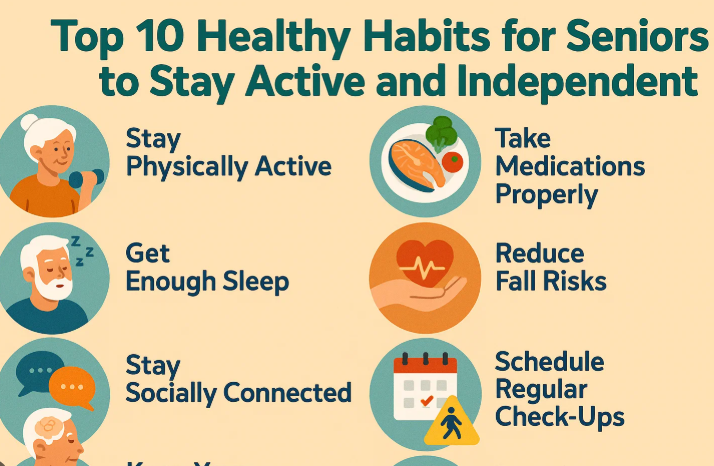
Living a better lifestyle does not require dramatic changes or overwhelming commitments. Often, it is the small, consistent habits practiced each day that lead to meaningful improvements over time. By focusing on balance, awareness, and simple routines, anyone can build a healthier and more fulfilling life. The key is to approach each day with intention while remaining flexible and kind to yourself.
One of the most effective ways to improve daily life is to start the morning with purpose. Instead of rushing out of bed and immediately checking notifications, take a few quiet moments to wake up fully. This could involve stretching, deep breathing, or simply sitting in stillness. A calm start helps set the tone for the rest of the day, making it easier to stay focused and positive. Even dedicating five minutes to mindful awareness can have a noticeable impact on mood and energy levels.
Nutrition plays a central role in overall well-being. Eating balanced meals that include a variety of whole foods can support both physical and mental health. It is helpful to prioritize fruits, vegetables, whole grains, and proteins while staying mindful of portion sizes. Drinking enough water throughout the day is equally important, as hydration supports concentration, digestion, and energy. Rather than following strict or restrictive eating patterns, aim for consistency and moderation, allowing room for occasional treats without guilt.
Movement is another essential part of a better lifestyle. Regular physical activity does not need to be intense or time-consuming. Simple actions such as walking, stretching, or light exercise can improve circulation, reduce stress, and boost overall vitality. Finding an activity that feels enjoyable makes it easier to stay consistent. Whether it is dancing, cycling, or practicing yoga, the goal is to keep the body active in a way that feels natural and sustainable.
Quality sleep is often overlooked, yet it is one of the most powerful tools for maintaining health. Establishing a consistent sleep schedule helps regulate the body’s internal clock, making it easier to fall asleep and wake up feeling refreshed. Creating a calming nighttime routine, such as reading or reducing screen exposure before bed, can improve sleep quality. A well-rested mind is more focused, resilient, and better equipped to handle daily challenges.
Managing stress is also crucial for maintaining balance. Daily life can bring unexpected pressures, but developing simple coping strategies can make a significant difference. Techniques such as deep breathing, journaling, or spending time in nature can help reduce tension and promote clarity. It is important to recognize when to pause and reset, rather than pushing through exhaustion. Taking short breaks throughout the day can improve productivity while protecting mental well-being.
Building meaningful connections with others contributes greatly to a fulfilling lifestyle. Even brief conversations or shared moments can strengthen relationships and create a sense of belonging. Taking time to listen actively and show appreciation for others helps deepen these connections. While digital communication can be convenient, face-to-face interactions often provide a more enriching experience. Prioritizing relationships, even in small ways, can enhance emotional health.
Another valuable habit is practicing gratitude. Focusing on what is going well, rather than only on challenges, can shift perspective and improve overall outlook. This does not mean ignoring difficulties, but rather balancing them with an awareness of positive moments. Writing down a few things to be grateful for each day can reinforce this mindset and gradually build a more optimistic approach to life.
Organization and time management also play a role in daily well-being. Keeping a simple plan for the day helps reduce stress and increase efficiency. This does not require a rigid schedule, but having a general sense of priorities can prevent feeling overwhelmed. Breaking tasks into smaller steps makes them more manageable and allows for a sense of accomplishment as each step is completed.
Limiting distractions can improve focus and create more meaningful experiences. Constant exposure to notifications and digital content can make it difficult to stay present. Setting boundaries with technology, such as designated times for checking messages or taking breaks from screens, can help restore attention and clarity. Being present in the moment enhances both productivity and enjoyment.
Personal growth is another important aspect of a better lifestyle. Taking time to learn something new, whether through reading, listening, or practicing a skill, keeps the mind engaged and curious. Growth does not have to be formal or structured. Even small efforts, such as exploring a new topic or trying a different approach to a routine task, can contribute to a sense of progress and satisfaction.
Self-care is often misunderstood as something indulgent, but it is actually a necessary part of maintaining balance. Taking time to care for your physical, emotional, and mental needs allows you to function more effectively in all areas of life. This could include rest, hobbies, or simply allowing yourself moments of quiet reflection. Self-care is not about perfection, but about recognizing and responding to your own needs.
Consistency is more important than intensity when it comes to lifestyle improvements. Small, steady actions are more sustainable than sudden, drastic changes. By focusing on habits that can be maintained over time, it becomes easier to build a foundation for long-term well-being. Progress may be gradual, but it is meaningful and lasting.
It is also important to approach lifestyle changes with patience. Not every day will go as planned, and that is completely normal. Instead of becoming discouraged, view setbacks as opportunities to learn and adjust. Being flexible and forgiving with yourself helps maintain motivation and prevents burnout.
Creating a better lifestyle is ultimately about finding what works best for you. There is no single formula that applies to everyone, and personal preferences play a significant role. By paying attention to how different habits affect your mood, energy, and overall satisfaction, you can gradually shape a routine that supports your well-being.
In the end, a better lifestyle is built on awareness, balance, and intentional choices. By making small adjustments each day, you can create a life that feels more aligned, fulfilling, and sustainable. The journey does not require perfection, only a willingness to take consistent steps toward improvement.