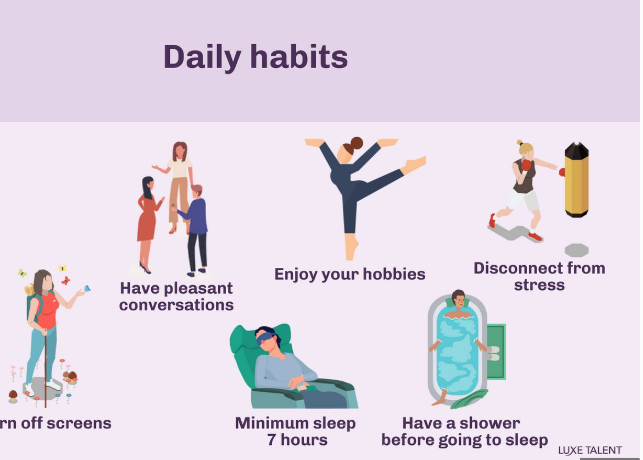
Taking care of your wellbeing does not have to involve dramatic lifestyle changes or complicated routines. In fact, the most effective improvements often come from small, consistent actions that fit naturally into your daily life. When approached with patience and a positive mindset, these simple changes can support both your physical and mental health in lasting ways.
One of the most accessible ways to improve your wellbeing is by paying attention to your daily habits. Sleep, for example, plays a major role in how you feel and function. Creating a regular sleep schedule, even on weekends, helps your body maintain a natural rhythm. Try to wind down at the end of the day by limiting screen time and choosing relaxing activities like reading or listening to calm music. Over time, better sleep can improve your mood, concentration, and overall energy levels.
Another important factor is staying active. You do not need an intense fitness program to benefit from movement. Gentle activities like walking, stretching, or dancing at home can make a noticeable difference. Movement helps release endorphins, which are chemicals that naturally boost your mood. It also supports heart health, flexibility, and strength. The key is to choose activities you enjoy so that staying active feels less like a chore and more like a rewarding part of your day.
Nutrition also plays a significant role in wellbeing. Instead of focusing on strict diets, aim to build balanced meals that include a variety of whole foods. Fruits, vegetables, whole grains, and proteins provide essential nutrients that your body needs to function properly. Drinking enough water throughout the day is equally important. Hydration supports digestion, energy levels, and even mental clarity. Making small, mindful choices around food can gradually lead to better overall health without feeling restrictive.
Mental wellbeing deserves just as much attention as physical health. One simple way to support your mind is by practicing mindfulness. This means taking a few moments each day to focus on the present, whether through deep breathing, meditation, or simply paying attention to your surroundings. Mindfulness can help reduce stress and create a sense of calm, especially during busy or overwhelming times. Even a few minutes of quiet reflection can make a difference.
Social connection is another powerful contributor to wellbeing. Spending time with people who make you feel supported and valued can improve your mood and provide a sense of belonging. This does not always require large gatherings. A meaningful conversation with a friend, a phone call with a family member, or even a kind exchange with a neighbor can strengthen your emotional health. Building and maintaining these connections helps create a support system that you can rely on when needed.
It is also helpful to create moments of joy in your routine. Engaging in hobbies or activities you enjoy can bring a sense of fulfillment and relaxation. Whether it is drawing, cooking, gardening, or listening to music, these moments allow you to step away from stress and reconnect with yourself. Making time for things that bring you happiness is not a luxury but an important part of maintaining balance in your life.
Managing stress in healthy ways is another key aspect of wellbeing. Life naturally includes challenges, but how you respond to them can make a big difference. Techniques such as journaling, taking breaks, or going for a walk can help you process emotions and regain perspective. It is also important to recognize when you need rest. Giving yourself permission to pause and recharge can prevent burnout and help you stay more resilient over time.
Setting realistic goals can also support your sense of wellbeing. When goals are too large or unclear, they can feel overwhelming. Breaking them down into smaller, achievable steps makes progress more manageable and rewarding. Celebrating small successes along the way can boost your confidence and motivation. This approach encourages a positive mindset and helps you stay focused on growth rather than perfection.
Another simple but often overlooked practice is spending time in nature. Being outdoors, even for a short period, can have a calming effect on your mind. Fresh air, natural light, and green spaces can help reduce stress and improve your mood. Whether it is a walk in a park, sitting outside with a book, or simply opening a window, connecting with nature can be a refreshing and grounding experience.
Limiting exposure to negative influences can also improve your wellbeing. This might include reducing time spent on social media or avoiding content that makes you feel anxious or discouraged. Instead, try to surround yourself with positive and uplifting information. Choosing what you consume mentally is just as important as what you consume physically.
Practicing gratitude is another easy and effective way to enhance your wellbeing. Taking a moment each day to reflect on things you appreciate can shift your focus toward positivity. This does not have to be complicated. It can be as simple as acknowledging a kind gesture, a pleasant moment, or something you are proud of. Over time, this habit can help build a more optimistic outlook.
Finally, it is important to be kind to yourself. Wellbeing is not about achieving perfection but about making steady progress and caring for yourself along the way. There will be days when things do not go as planned, and that is completely normal. Treat yourself with patience and understanding, just as you would a close friend.
Improving your wellbeing is a journey that evolves over time. By making small, thoughtful changes and staying consistent, you can create a lifestyle that supports both your body and mind. These easy steps do not require major effort, but they can lead to meaningful and lasting improvements in how you feel every day.