Healthy living is often presented as a picture-perfect lifestyle filled with strict routines, expensive foods, and hours at the gym. For most people, that version of health feels unrealistic and even discouraging. Real life includes busy schedules, limited budgets, family responsibilities, and moments of low motivation. The good news is that healthy living does not have to be extreme to be effective. Small, consistent choices can lead to meaningful improvements in both physical and mental well-being.
A practical approach to healthy living starts with redefining what “healthy” actually means. Instead of chasing perfection, it is more helpful to focus on balance. A healthy lifestyle is not about never eating your favorite comfort food or exercising every single day without fail. It is about making choices that support your body and mind most of the time, while still allowing flexibility. This mindset reduces stress and makes habits easier to maintain over the long term.
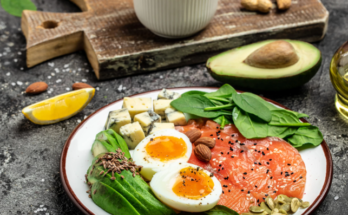
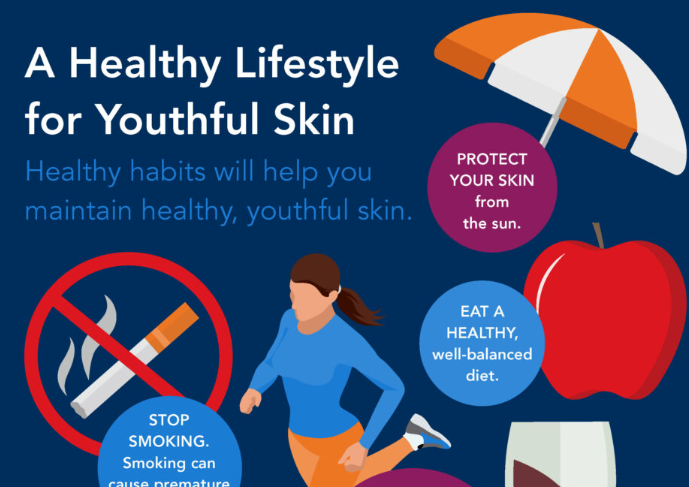
Nutrition plays a central role, but it does not need to be complicated. Real people benefit most from simple, sustainable eating habits. Adding more whole foods such as fruits, vegetables, grains, and proteins can make a big difference without requiring a complete diet overhaul. Cooking at home when possible helps control ingredients and portions, but even small improvements like choosing water over sugary drinks or adding a vegetable to each meal can have lasting benefits. It is also important to remember that enjoying food is part of a healthy life, and there is room for treats without guilt.
Physical activity is another key element, yet it often feels intimidating. Many people believe they need a gym membership or a strict workout program to see results. In reality, movement can be integrated into everyday life in simple ways. Walking, stretching, dancing, or even doing household chores all contribute to staying active. The goal is to find activities that feel enjoyable rather than forced. When movement becomes something to look forward to instead of a chore, it naturally becomes part of a regular routine.
Sleep is frequently overlooked but is essential for overall health. Many people sacrifice sleep to keep up with work, social obligations, or screen time, but this can lead to fatigue, reduced focus, and even long-term health concerns. Creating a consistent sleep schedule, limiting screen use before bedtime, and making the sleeping environment comfortable can help improve sleep quality. Even small adjustments, such as going to bed thirty minutes earlier, can make a noticeable difference in energy levels and mood.
Mental well-being is just as important as physical health. Daily stress, responsibilities, and unexpected challenges can take a toll on emotional balance. Taking time to pause, breathe, and check in with yourself can help manage stress more effectively. This does not require hours of meditation or complex routines. Simple practices like spending a few minutes in quiet reflection, talking with a trusted friend, or engaging in a hobby can support mental health. Being kind to yourself during difficult moments is also an important part of maintaining overall wellness.
Another important aspect of healthy living is building habits that fit your personal lifestyle. What works for one person may not work for another, and that is perfectly fine. Some people prefer morning workouts, while others feel more energized in the evening. Some enjoy cooking elaborate meals, while others need quick and easy options. The key is to create routines that feel realistic and sustainable. Trying to follow trends that do not match your lifestyle often leads to frustration and burnout.
Staying hydrated is a simple yet powerful habit that is often underestimated. Drinking enough water supports digestion, energy levels, and overall body function. It does not require strict tracking or complicated rules. Keeping a water bottle nearby and sipping throughout the day can help make hydration more consistent. Small habits like drinking a glass of water in the morning or with meals can gradually improve daily intake.
Consistency matters more than intensity when it comes to healthy living. Many people start with strong motivation but struggle to maintain it over time. This is why it is important to set realistic goals and build habits gradually. Making one or two small changes at a time is often more effective than trying to change everything at once. Over time, these small changes add up and become part of your routine without feeling overwhelming.
Social connections also play a role in overall well-being. Spending time with supportive friends, family, or community members can improve mood and reduce feelings of isolation. Healthy living does not mean doing everything alone. Sharing meals, going for walks together, or simply having meaningful conversations can contribute to both emotional and physical health.
It is also important to be mindful of how information about health is consumed. There is an abundance of advice available, and not all of it is helpful or realistic. Comparing yourself to others or trying to follow overly strict guidelines can create unnecessary pressure. Focusing on what works best for your own body and lifestyle is a more effective approach. Trusting your ability to make balanced decisions is a key part of building a sustainable healthy lifestyle.
Healthy living for real people is about progress, not perfection. It is about making choices that support your well-being while still allowing space for life’s unpredictability. There will be days when plans do not go as expected, and that is completely normal. What matters most is the ability to return to your habits without judgment or guilt.
Over time, these practical and flexible approaches to health can lead to meaningful improvements in how you feel each day. Energy levels may increase, stress may become easier to manage, and overall well-being can improve. By focusing on small, realistic steps and maintaining a balanced perspective, healthy living becomes something that fits naturally into everyday life rather than something that feels out of reach.