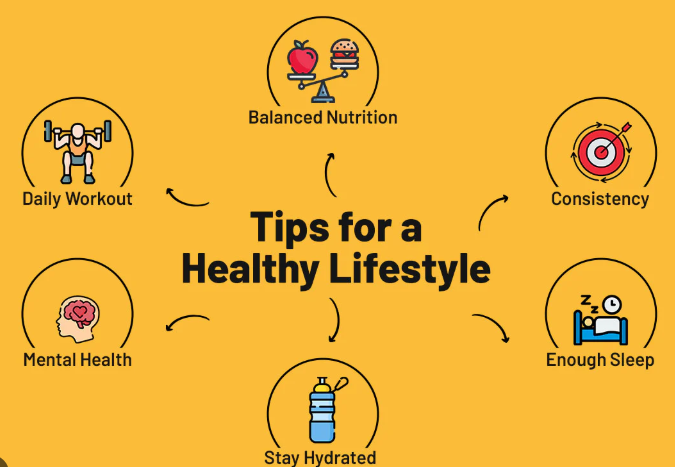
Staying healthy does not require complicated routines or extreme lifestyle changes. In fact, the most effective approach is often built on small, consistent habits that fit naturally into daily life. By focusing on practical actions that support both physical and mental well-being, anyone can create a sustainable path toward better health. The key is to make choices that are realistic, balanced, and easy to maintain over time.
One of the most important foundations of daily health is proper nutrition. Eating a variety of whole foods helps provide the body with essential nutrients needed for energy, repair, and overall function. Fresh fruits and vegetables, whole grains, lean proteins, and healthy fats can all play a role in supporting long-term wellness. Instead of aiming for perfection, it is more helpful to make gradual improvements, such as adding an extra serving of vegetables to meals or choosing water instead of sugary drinks. Consistency matters more than strict rules.
Hydration is another simple yet powerful habit. Drinking enough water throughout the day supports digestion, circulation, and temperature regulation. Many people overlook hydration, but even mild dehydration can affect energy levels and concentration. Keeping a reusable water bottle nearby can serve as a reminder to drink regularly. Listening to your body’s signals, such as thirst and fatigue, can also help guide better hydration habits.
Regular physical activity is essential for maintaining a healthy body. Exercise does not have to mean long hours at the gym. Walking, stretching, dancing, or engaging in recreational sports can all contribute to improved fitness. The goal is to move your body in ways that feel enjoyable and sustainable. Even short bursts of activity throughout the day can make a difference. For example, taking the stairs, going for a brisk walk during a break, or doing light exercises at home can help build a routine without feeling overwhelming.
Sleep plays a critical role in overall health, yet it is often neglected. Getting enough quality sleep allows the body to recover, supports brain function, and helps regulate mood. Establishing a consistent sleep schedule can improve sleep quality over time. Creating a relaxing bedtime routine, such as reading or limiting screen time before bed, can also make it easier to fall asleep. A well-rested body is better equipped to handle daily challenges and maintain balance.
Mental well-being is just as important as physical health. Managing stress in healthy ways can improve both emotional and physical outcomes. Simple practices such as deep breathing, mindfulness, or spending time in nature can help reduce stress levels. Taking breaks throughout the day, even for a few minutes, allows the mind to reset and regain focus. Building strong social connections with friends, family, or community members can also provide emotional support and a sense of belonging.
Another practical step toward daily health is maintaining good hygiene. Regular handwashing, oral care, and general cleanliness can help prevent illness and promote overall well-being. These habits are easy to incorporate and can have a significant impact on long-term health. Taking care of your environment, such as keeping living spaces clean and organized, can also contribute to a sense of calm and comfort.
Routine health checkups and preventive care are important for identifying potential concerns early. While daily habits form the foundation of health, professional guidance can provide additional support. Staying informed about your body and addressing issues promptly can help prevent more serious problems later on. It is helpful to view healthcare as a partnership focused on maintaining wellness rather than only addressing illness.
Balancing work and personal life is another key aspect of staying healthy. Overworking can lead to burnout, fatigue, and increased stress. Setting boundaries and making time for relaxation and hobbies can improve overall quality of life. Engaging in activities that bring joy, whether it is reading, cooking, or spending time outdoors, helps create a sense of fulfillment and balance.
Building healthy habits takes time and patience. It is normal to experience setbacks, but what matters most is the ability to return to positive routines. Instead of aiming for drastic changes, focusing on small, manageable steps can lead to lasting improvements. Celebrating progress, no matter how small, can help maintain motivation and encourage continued effort.
Technology can be both helpful and challenging when it comes to health. On one hand, it offers tools for tracking activity, setting reminders, and accessing information. On the other hand, excessive screen time can affect sleep and reduce physical activity. Finding a healthy balance with technology use can support overall well-being. Setting limits on screen time, especially before bed, can improve sleep quality and encourage more active habits.
Mindful eating is another valuable practice. Paying attention to hunger and fullness cues can help prevent overeating and promote a healthier relationship with food. Eating slowly and without distractions allows you to enjoy meals more fully and recognize when you are satisfied. This approach encourages balance rather than restriction.
Spending time outdoors can also have a positive impact on health. Fresh air, natural light, and exposure to green spaces can improve mood and reduce stress. Whether it is a short walk in a park or simply sitting outside, connecting with nature can be a refreshing and restorative experience.
Ultimately, staying healthy every day is about making thoughtful choices that support your well-being. It is not about achieving perfection but about creating a lifestyle that feels balanced and sustainable. By focusing on practical habits such as eating well, staying active, getting enough sleep, and caring for your mental health, you can build a strong foundation for long-term wellness.
Each day offers an opportunity to take small steps toward better health. Over time, these steps can add up to meaningful and lasting change. By approaching health with a positive and realistic mindset, it becomes easier to maintain habits that support a happier and more fulfilling life.