Living a healthy life does not always require dramatic changes or strict routines. In many cases, it is the small, consistent habits that make the biggest difference over time. By focusing on simple and sustainable lifestyle choices, anyone can support their overall well-being in a way that feels natural and manageable. Health is not about perfection, but about creating a balanced approach that fits into everyday life.
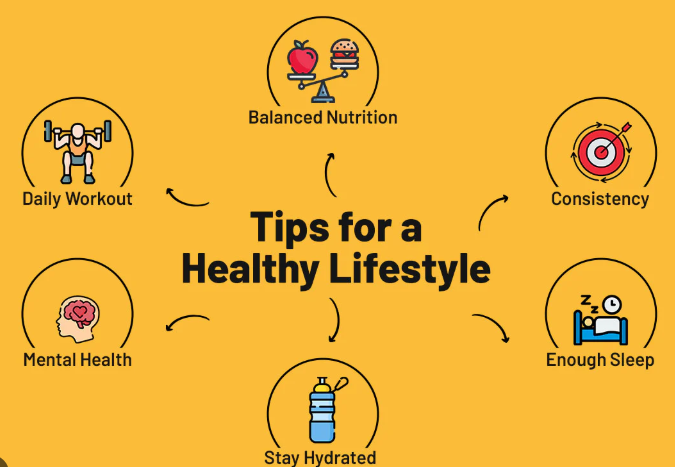
One of the most important foundations of good health is maintaining a consistent daily rhythm. Going to bed and waking up at similar times each day helps regulate the body’s internal clock. This can improve sleep quality, boost energy levels, and support mental clarity throughout the day. Even small adjustments, such as limiting screen use before bedtime or creating a calming nighttime routine, can help encourage better rest.
Nutrition also plays a central role in supporting health, but it does not have to be complicated. Choosing whole, minimally processed foods more often can provide the body with essential nutrients. This might include adding more fruits, vegetables, whole grains, and lean proteins to meals. Drinking enough water throughout the day is another simple yet powerful habit. Staying hydrated supports digestion, concentration, and overall physical function. Rather than focusing on strict rules, it can be helpful to aim for balance and variety.
Physical activity is another key component of a healthy lifestyle. Regular movement helps strengthen the body, improve mood, and support long-term health. This does not mean spending hours at the gym. Activities like walking, stretching, dancing, or even doing household chores can contribute to daily movement. Finding forms of activity that feel enjoyable makes it easier to stay consistent. When movement becomes something to look forward to rather than a task, it naturally becomes part of daily life.
Managing stress is equally important for overall well-being. Everyday life can bring challenges, but simple habits can help create a sense of calm and resilience. Taking a few moments each day to pause and breathe deeply can make a noticeable difference. Spending time outdoors, listening to music, or engaging in hobbies can also provide a mental reset. Building awareness of stress triggers and responding with gentle coping strategies can support emotional balance over time.
Another often overlooked habit is maintaining social connections. Human connection plays a meaningful role in emotional health. Reaching out to friends or family, even through a short conversation, can create a sense of belonging and support. These interactions do not have to be frequent or elaborate. What matters most is the quality of the connection and the feeling of being understood and valued.
Creating a supportive environment at home can also encourage healthier habits. Keeping spaces clean and organized can help reduce stress and make daily routines smoother. Having healthy foods readily available and setting up comfortable areas for relaxation or activity can gently guide better choices without requiring extra effort. Small changes in the environment can make positive habits feel more natural.
Mindful awareness is another powerful yet simple practice. Paying attention to how the body feels, how the mind responds to situations, and how daily choices impact well-being can lead to better decisions over time. This does not require formal training. It can be as simple as noticing hunger cues, recognizing when rest is needed, or taking a moment to appreciate something positive during the day.
Limiting excessive consumption of things that may disrupt balance is also helpful. This might include reducing prolonged screen time, being mindful of overstimulation, or setting boundaries around work and personal time. Creating space for rest and reflection allows the body and mind to recharge. Balance is not about removing all sources of stress, but about making room for recovery.
Consistency is often more important than intensity when it comes to lifestyle habits. Small actions repeated regularly can lead to meaningful changes. For example, choosing to take a short walk each day may seem minor, but over time it contributes to improved fitness and mental well-being. Similarly, making gradual adjustments to eating patterns or sleep routines can have lasting benefits.
It is also important to approach health with flexibility and kindness. Life is not always predictable, and routines may change. Allowing room for adjustments without self-criticism can help maintain a positive relationship with healthy habits. Progress does not need to be perfect to be meaningful. Each small step contributes to overall well-being.
Another supportive habit is taking time for regular breaks throughout the day. Short pauses can help reset focus and prevent burnout. Whether it is stepping away from a task, stretching, or simply taking a few deep breaths, these moments can improve productivity and mental clarity. Incorporating breaks into daily routines helps maintain energy levels and supports sustained attention.
Spending time in natural light can also have a positive impact on health. Exposure to daylight helps regulate sleep patterns and can improve mood. Even a few minutes outside each day can be beneficial. For those who spend most of their time indoors, sitting near a window or taking brief outdoor walks can provide similar benefits.
Personal routines that bring a sense of enjoyment or relaxation are equally valuable. This might include reading, journaling, cooking, or engaging in creative activities. These moments of enjoyment contribute to emotional well-being and provide a sense of balance in daily life. Making time for activities that feel meaningful can support long-term satisfaction and happiness.
Ultimately, supporting health through lifestyle habits is about creating a way of living that feels sustainable and supportive. There is no single approach that works for everyone. By focusing on simple, realistic habits and making gradual adjustments, it becomes possible to build a lifestyle that promotes overall well-being.
Each positive choice, no matter how small, contributes to a healthier and more balanced life. Over time, these habits can become part of a natural routine, making health feel less like a goal and more like a way of living.