Building better health habits does not require dramatic life changes or extreme routines. In fact, the most effective improvements often come from small, consistent actions that fit naturally into everyday life. By focusing on realistic steps and maintaining a positive mindset, anyone can gradually move toward a healthier and more balanced lifestyle. The key is to prioritize sustainability over perfection and to recognize that progress, even when slow, is still meaningful.
One of the most important foundations of good health is maintaining a balanced diet. Rather than following restrictive or complicated eating plans, it can be helpful to aim for variety and moderation. Incorporating more whole foods such as fruits, vegetables, whole grains, and lean proteins into daily meals supports overall well-being. Drinking enough water throughout the day also plays a vital role in maintaining energy and supporting bodily functions. Simple choices, like swapping sugary drinks for water or adding a serving of vegetables to meals, can make a noticeable difference over time.
Regular physical activity is another essential component of healthy habits. Exercise does not need to be intense or time-consuming to be beneficial. Activities such as walking, stretching, or light strength training can improve mobility, boost mood, and support long-term health. The goal is to find movement that feels enjoyable and manageable. When exercise becomes something to look forward to rather than a chore, it is much easier to stay consistent. Even short sessions of activity spread throughout the day can contribute to better overall fitness.
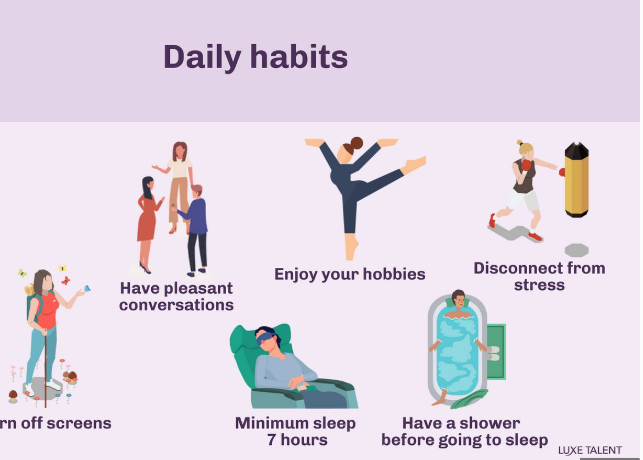
Sleep is often overlooked, yet it is one of the most important aspects of maintaining good health. Establishing a consistent sleep routine can improve both physical and mental well-being. Going to bed and waking up at similar times each day helps regulate the body’s internal clock. Creating a calm and comfortable sleep environment, limiting screen time before bed, and avoiding heavy meals late at night can all support better rest. Quality sleep helps the body recover, supports concentration, and contributes to a more balanced mood throughout the day.
Managing stress is equally important when developing better health habits. Everyday responsibilities and challenges can sometimes feel overwhelming, but small steps can help reduce stress levels. Taking a few minutes each day to pause, breathe deeply, or engage in relaxing activities can create a sense of calm. Spending time outdoors, listening to music, or engaging in hobbies are simple ways to recharge. Building awareness of personal stress triggers and responding with healthy coping strategies can improve resilience over time.
Consistency plays a crucial role in forming lasting habits. It is often more effective to focus on small, repeatable actions rather than attempting large changes all at once. Setting achievable goals can help build confidence and maintain motivation. For example, committing to a short daily walk or adding one healthy meal per day can serve as a starting point. As these actions become routine, it becomes easier to expand on them gradually. Celebrating small wins along the way reinforces positive behavior and encourages continued progress.
Another helpful approach is to create an environment that supports healthy choices. Keeping nutritious foods easily accessible, setting reminders for movement or hydration, and organizing daily routines can make healthy habits more convenient. When the environment aligns with personal goals, it reduces the need for constant decision-making and makes it easier to stay on track. Surrounding oneself with supportive people or communities can also provide encouragement and accountability.
Mindful awareness is an important aspect of improving health habits. Paying attention to how the body feels after certain activities or foods can guide better decision-making. This awareness helps individuals recognize what supports their well-being and what may need adjustment. Rather than following rigid rules, developing a flexible and attentive approach allows for more personalized and sustainable habits. It also helps reduce feelings of pressure or guilt, which can sometimes hinder progress.
Technology can also play a supportive role in building better habits when used thoughtfully. Simple tools such as reminders, step counters, or journaling apps can help track progress and maintain focus. However, it is important to use these tools in a balanced way that supports well-being rather than creating additional stress. The goal is to use technology as a guide, not as a source of pressure.
It is also important to recognize that setbacks are a normal part of any journey toward better health. There will be days when routines are disrupted or motivation feels low. Instead of viewing these moments as failures, it can be helpful to see them as opportunities to learn and adjust. Returning to healthy habits after a setback is what truly matters. A flexible and forgiving mindset helps maintain long-term consistency and prevents discouragement.
Building better health habits is not about achieving a perfect standard but about making gradual improvements that support overall well-being. Each positive choice contributes to a stronger foundation for the future. By focusing on small, manageable steps, maintaining consistency, and approaching the process with patience and self-awareness, anyone can develop habits that lead to a healthier and more balanced life.
Over time, these simple steps can create meaningful change. The journey toward better health is personal and ongoing, and every effort counts. With a supportive approach and a focus on sustainability, it is possible to build habits that enhance both physical and mental well-being in a way that feels natural and achievable.