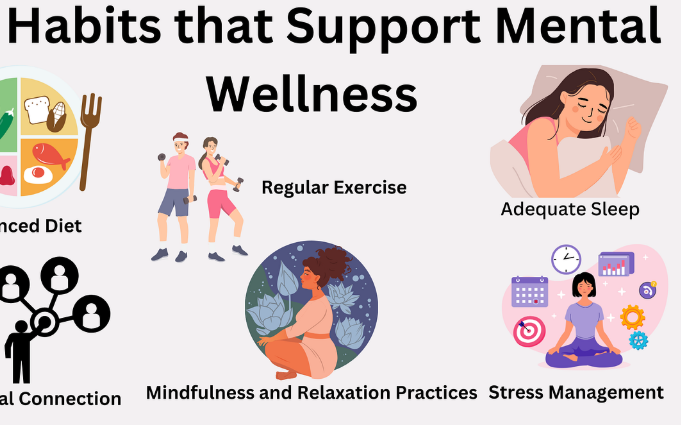
Living a healthy and balanced life does not require complicated routines or strict rules. In fact, the most effective habits are often the simplest ones that can be maintained over time. A balanced lifestyle is about making small, consistent choices that support both physical and mental well-being. By focusing on realistic and positive actions, anyone can create a routine that feels natural and sustainable.
One of the most important foundations of good health is maintaining a consistent daily rhythm. Waking up and going to sleep at similar times each day helps regulate the body’s internal clock. This improves energy levels, mood, and overall functioning. Even small adjustments, such as limiting screen time before bed or creating a calming evening routine, can make a noticeable difference in sleep quality.
Nutrition also plays a key role in staying healthy. Rather than following strict or restrictive diets, it is more helpful to focus on balance and variety. Including a mix of fruits, vegetables, whole grains, proteins, and healthy fats provides the body with essential nutrients. Drinking enough water throughout the day supports digestion, energy, and concentration. Listening to hunger and fullness cues can also encourage a healthier relationship with food.
Physical activity is another essential part of a balanced lifestyle, but it does not have to be intense or time-consuming. Simple movements like walking, stretching, or light exercise can be very effective when done regularly. Finding activities that are enjoyable makes it easier to stay consistent. Whether it is dancing, cycling, or practicing yoga, the goal is to keep the body moving in a way that feels good rather than forced.
Mental well-being is just as important as physical health. Taking time to relax and recharge helps reduce stress and improve overall balance. This can be as simple as spending a few minutes each day focusing on deep breathing, mindfulness, or quiet reflection. Engaging in hobbies or creative activities can also provide a sense of fulfillment and joy.
Managing stress in a healthy way is essential for long-term wellness. Life naturally includes challenges, but having simple strategies to cope can make a big difference. Talking with a trusted friend, writing down thoughts, or taking short breaks during busy days can help clear the mind. It is important to recognize when rest is needed and to give yourself permission to slow down.
Social connections are another important aspect of staying balanced. Spending time with supportive and positive people can improve mood and provide a sense of belonging. Even small interactions, such as a friendly conversation or a shared activity, can have a meaningful impact. Building and maintaining relationships helps create emotional stability and resilience.
Creating a healthy environment also supports well-being. Keeping living and working spaces clean and organized can improve focus and reduce stress. Adding simple touches like natural light, plants, or calming colors can make a space feel more comfortable and inviting. A supportive environment makes it easier to maintain positive habits.
Another helpful practice is setting realistic goals. Trying to change everything at once can feel overwhelming and lead to frustration. Instead, focusing on one or two small changes at a time allows for steady progress. Celebrating small achievements builds confidence and motivation. Over time, these small steps can lead to lasting improvements in health and balance.
It is also important to stay flexible and kind to yourself. There will be days when routines are disrupted or goals are not fully met. This is a normal part of life. Rather than being overly critical, it is more helpful to view these moments as opportunities to learn and adjust. A balanced lifestyle is not about perfection, but about consistency and self-awareness.
Limiting exposure to negativity can also support mental balance. This may include reducing time spent on stressful news or social media and focusing more on positive and uplifting content. Creating boundaries around time and energy helps protect mental well-being and allows space for more meaningful experiences.
Spending time outdoors is another simple way to support overall health. Fresh air and natural surroundings can improve mood, reduce stress, and increase energy levels. Even a short walk outside or sitting in a quiet outdoor space can have a calming effect. Nature provides a gentle reminder to slow down and be present.
Developing a sense of purpose can also contribute to a balanced life. This does not have to be something large or complicated. It can be found in daily actions, personal interests, or helping others. Having a sense of direction or meaning can increase motivation and bring a deeper sense of satisfaction.
Technology can be both helpful and overwhelming, so using it mindfully is important. Setting limits on screen time and taking regular breaks can reduce strain and improve focus. Creating moments without devices, such as during meals or before bedtime, allows for better connection with yourself and others.
Practicing gratitude is another simple but powerful habit. Taking a moment each day to notice positive experiences or small achievements can shift perspective and improve mood. This practice encourages a focus on what is going well rather than what is lacking.
Staying healthy and balanced is not about following a perfect plan. It is about building a lifestyle that feels supportive, enjoyable, and realistic. By focusing on simple habits such as maintaining a routine, eating balanced meals, staying active, managing stress, and nurturing relationships, it becomes easier to create lasting well-being.
Each small step contributes to a larger sense of balance over time. With patience and consistency, these simple practices can help create a healthier, more fulfilling life.