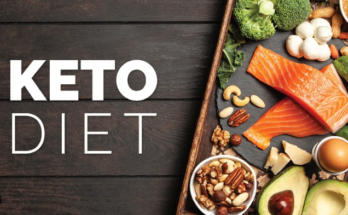
The way we approach food has a powerful impact on how we feel each day, both physically and mentally. In recent years, the keto diet has gained attention as a flexible and effective way to support a variety of lifestyle goals. Rather than focusing on strict rules or temporary changes, keto can be understood as a sustainable approach that encourages your body to use fat as a primary source of energy. When approached thoughtfully, it can become a supportive tool that fits naturally into many different routines.
At its core, the ketogenic diet emphasizes reducing carbohydrate intake while increasing healthy fats and maintaining moderate protein consumption. This shift encourages the body to enter a metabolic state called ketosis, where fat is burned for fuel instead of carbohydrates. For many people, this change can lead to more stable energy levels throughout the day, helping reduce the spikes and crashes that are often associated with high-carb eating patterns.
One of the appealing aspects of the keto diet is its adaptability. It does not require a one-size-fits-all plan, and individuals can tailor their food choices to suit their preferences and daily schedules. Whether someone enjoys cooking at home or prefers simple meals on the go, keto-friendly options can be incorporated in a way that feels manageable rather than overwhelming. This flexibility can make it easier to maintain consistency, which is often the key to long-term success with any lifestyle approach.
Another benefit often associated with keto is the potential for improved focus and mental clarity. Some individuals report that once they adjust to ketosis, they experience a steadier sense of concentration. This may be linked to the consistent energy supply provided by fat metabolism. While individual experiences vary, many find that this aspect of keto supports productivity and helps them stay engaged with their daily activities.
The keto diet can also align with wellness goals related to mindful eating. By encouraging attention to macronutrient balance and food quality, it often leads people to become more aware of what they are consuming. Whole foods such as avocados, nuts, seeds, eggs, fish, and leafy greens frequently play a central role in keto meals. This emphasis on nutrient-dense ingredients can support a more intentional relationship with food, which may extend beyond the diet itself.
It is important to recognize that transitioning to keto may involve an adjustment period. During the early stages, some people experience temporary changes such as fatigue or shifts in appetite as the body adapts to a new energy source. Staying hydrated, maintaining balanced electrolytes, and allowing time for the body to adjust can help ease this transition. Listening to your body and making gradual changes can contribute to a more comfortable experience.
Social and lifestyle factors also play a role in how sustainable any eating approach will be. Keto can be adapted to fit social situations, dining out, and family meals with a bit of planning. Many restaurants offer options that can be modified to align with keto principles, and simple substitutions can make a significant difference. Over time, these adjustments often become second nature, allowing individuals to maintain their lifestyle without feeling restricted.
In addition to physical benefits, the keto diet may encourage a sense of structure that supports overall well-being. Planning meals, understanding nutritional content, and setting personal goals can create a framework that helps individuals stay organized and motivated. This structure can extend into other areas of life, reinforcing positive habits and routines.
It is also worth noting that keto does not have to be rigid to be effective. Some people choose to follow a more relaxed version of the diet, incorporating occasional variations that suit their needs. This balanced approach can help prevent feelings of deprivation and make the lifestyle more enjoyable over time. Finding the right level of flexibility is a personal process and can evolve as goals and circumstances change.
When considering whether keto is a good fit, it can be helpful to focus on how it aligns with your personal preferences and daily habits. The most supportive lifestyle approach is one that feels sustainable, enjoyable, and adaptable. Keto offers a framework that many people find empowering, but it works best when it is tailored to the individual rather than followed rigidly.
As with any dietary change, it is wise to approach keto with a sense of curiosity and awareness. Gathering information, experimenting with recipes, and observing how your body responds can provide valuable insights. Consulting with a qualified professional may also be beneficial, especially for those with specific health considerations.
Ultimately, the keto diet can serve as a supportive tool for those looking to explore new ways of nourishing their bodies and enhancing their daily routines. By focusing on flexibility, balance, and mindful choices, it has the potential to complement a wide range of lifestyles. Rather than viewing it as a strict set of rules, it can be seen as an adaptable approach that evolves alongside your goals and preferences.
Embracing any lifestyle change is a journey, and the keto diet offers one pathway that many have found both practical and rewarding. With thoughtful implementation and a focus on sustainability, it can become a valuable part of a broader commitment to well-being.