The ketogenic diet, often shortened to “keto,” has gained widespread attention over the years, but many people still find it confusing or overly restrictive. In reality, the core idea behind keto is simple. It focuses on shifting your body’s primary fuel source from carbohydrates to fat, helping you use stored energy more efficiently. When explained clearly and approached sensibly, the keto diet can feel far less intimidating and much more manageable.
At its foundation, the keto diet emphasizes low carbohydrate intake, moderate protein consumption, and higher amounts of healthy fats. By reducing carbs, your body enters a natural metabolic state known as ketosis. In this state, your body burns fat for energy instead of relying on glucose from carbohydrates. This shift can offer several potential benefits when done properly and with attention to balance.
One of the most commonly discussed advantages of the keto diet is its potential to support weight management. Because fat and protein tend to be more satisfying than carbohydrates, many people find they feel fuller for longer periods. This can naturally reduce overall calorie intake without the need for strict portion control or constant hunger. Additionally, stabilizing blood sugar levels may help reduce cravings, especially for sugary snacks and processed foods.
Another benefit often associated with keto is improved energy consistency throughout the day. Instead of experiencing spikes and crashes caused by high-carb meals, some people report more steady energy levels. This can make it easier to stay focused, productive, and alert, especially during busy routines. While individual experiences may vary, the idea of fewer energy dips is one reason many people explore this way of eating.
Mental clarity is another area where people sometimes notice changes. When the body adapts to using ketones for fuel, the brain may benefit from a more stable energy supply. Some individuals describe feeling more focused and less mentally foggy. While this doesn’t happen overnight and may require an adjustment period, it is a commonly mentioned experience among those who follow the diet consistently.
The keto diet may also support better awareness of food choices. Since it encourages limiting processed carbohydrates and added sugars, many people naturally begin to focus on whole, nutrient-dense foods. Meals often include vegetables, healthy fats like avocados and olive oil, and quality protein sources. This shift toward simpler, less processed foods can contribute to a more mindful approach to eating overall.
It is important to note that keto does not mean eliminating all carbohydrates forever or avoiding fruits and vegetables entirely. Instead, it encourages choosing lower-carb options and being intentional about portions. Leafy greens, non-starchy vegetables, and certain berries can still be part of a balanced keto approach. The goal is not perfection but consistency and awareness.
Hydration and electrolyte balance are also key factors when following a keto diet. As the body adjusts to lower carbohydrate intake, it may release more water and minerals. Drinking enough fluids and maintaining a balanced intake of nutrients like sodium and potassium can help support a smoother transition. Paying attention to these basics can make a noticeable difference in how you feel during the early stages.
Another helpful aspect of keto is its flexibility when approached thoughtfully. While some people follow a strict version, others adapt it to fit their lifestyle. This might include occasional higher-carb meals or adjusting macronutrient ratios based on personal goals. The diet does not have to be rigid to be effective. Finding a version that feels sustainable is often more important than following strict rules.
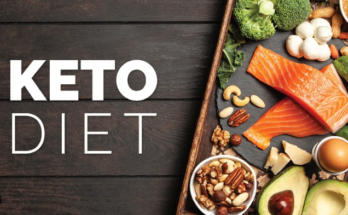
For those concerned about complexity, meal planning can be simpler than it seems. Many keto-friendly meals are built around familiar ingredients such as eggs, meats, fish, vegetables, nuts, and healthy oils. A typical meal might include grilled protein, a side of vegetables, and a source of fat like avocado or dressing. Keeping meals straightforward can reduce stress and make the diet easier to maintain.
It is also worth mentioning that individual needs vary. What works well for one person may not be the best fit for another. Listening to your body and making adjustments over time can help create a more personalized and comfortable experience. If you have specific health concerns or conditions, consulting a qualified professional can provide additional guidance tailored to your situation.
Despite the many potential benefits, it is helpful to approach keto with realistic expectations. Results may take time, and the initial adjustment period can include temporary fatigue or changes in energy levels. These effects are often short-lived and can be managed with proper hydration, balanced nutrition, and patience. Understanding this ahead of time can make the process feel less overwhelming.
Ultimately, the keto diet does not have to be confusing or complicated. By focusing on simple principles such as reducing carbohydrates, choosing nourishing foods, and maintaining balance, it becomes much more approachable. Rather than aiming for perfection, a steady and informed approach can help you explore whether this style of eating aligns with your goals.
In a world filled with conflicting diet advice, clarity and simplicity can make all the difference. The keto diet, when understood clearly, is not about strict rules or extremes. It is about helping your body use energy differently while encouraging mindful food choices. With a practical mindset and a willingness to learn, it can become a straightforward and potentially rewarding option for those seeking a new approach to nutrition.