The ketogenic diet, often called the keto diet, has grown in popularity because of its simple premise and noticeable results for many people. At its core, keto is a low-carbohydrate, high-fat way of eating that encourages the body to shift its primary fuel source from glucose to fat. While this may sound like a drastic change, the diet can be adapted in a practical and approachable way for everyday life.
To understand keto, it helps to know how the body normally uses energy. Most people rely on carbohydrates, which are broken down into glucose and used as fuel. When carbohydrate intake is reduced significantly, the body begins producing ketones from fat, entering a state known as ketosis. This metabolic shift is what defines the ketogenic diet and is often associated with steady energy levels and reduced hunger for some individuals.
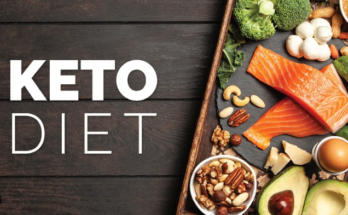
One of the reasons keto appeals to many is its focus on satisfying foods. Meals often include items like eggs, cheese, avocados, nuts, seeds, oils, fish, and meats, along with low-carbohydrate vegetables such as leafy greens, broccoli, and zucchini. These foods can be filling and flavorful, making it easier for people to stick with the diet compared to more restrictive approaches that emphasize constant calorie counting.
For beginners, transitioning into keto does not have to be overwhelming. A gradual reduction in carbohydrates can help the body adjust more comfortably. Many people start by cutting back on sugary foods, refined grains, and processed snacks, then slowly lowering their overall carbohydrate intake. Drinking enough water and maintaining a balanced intake of electrolytes such as sodium and potassium can also support the transition.
Meal planning plays an important role in making keto sustainable. Having simple, go-to meals can save time and reduce stress. For example, a breakfast might consist of eggs cooked in olive oil with spinach, while lunch could include a salad topped with grilled chicken and avocado. Dinner options might feature baked salmon with roasted vegetables. Snacks, if needed, can include a handful of nuts or slices of cheese. Keeping meals straightforward helps people stay consistent without feeling overwhelmed.
Another helpful approach is focusing on whole foods rather than highly processed “keto-labeled” products. While there are many packaged items marketed as keto-friendly, not all of them provide the same nutritional value. Choosing fresh ingredients and preparing meals at home allows for better control over what goes into the body and supports long-term habits.
It is also important to recognize that everyone’s experience with keto can differ. Some people report increased energy and improved focus once they adapt to using fat as fuel. Others may need more time to adjust or may find that a less restrictive low-carbohydrate approach works better for their lifestyle. Listening to the body and making adjustments is key to finding a balanced routine.
Social situations and dining out can present challenges, but they are manageable with a bit of planning. Many restaurants offer flexible options that can be adapted to fit keto guidelines. Choosing dishes that center around protein and vegetables, and requesting substitutions such as extra vegetables instead of bread or fries, can make it easier to stay on track. Over time, these choices can become second nature.
It is equally important to maintain a realistic mindset. The keto diet is not about perfection, and occasional deviations do not mean failure. What matters most is consistency over time. Building habits that fit naturally into daily life can lead to more sustainable outcomes than strict rules that are difficult to maintain.
For those considering keto, it may be helpful to set clear and personal goals. Some people are interested in weight management, while others are focused on improving their overall eating patterns or exploring different approaches to nutrition. Understanding one’s motivation can make it easier to stay committed and evaluate progress in a meaningful way.
Physical activity can complement a ketogenic lifestyle, though it may take some time for the body to adapt to exercising while in ketosis. Starting with moderate activities such as walking, cycling, or light strength training can help ease the transition. As energy levels stabilize, many people find they can return to their usual routines with confidence.
Hydration is another essential aspect that is sometimes overlooked. Since the body tends to release more water during the early stages of keto, drinking enough fluids becomes especially important. Including mineral-rich foods and staying mindful of electrolyte intake can help maintain balance and comfort.
Sleep and stress management also play a role in overall well-being, regardless of dietary choices. Establishing a regular sleep schedule and finding ways to manage daily stress can support any nutrition plan, including keto. These factors contribute to how the body responds to dietary changes and can influence long-term success.
It is worth noting that the keto diet may not be suitable for everyone. Individuals with specific health conditions or dietary needs should consider seeking guidance from a qualified professional before making significant changes to their eating patterns. A personalized approach can help ensure that nutritional needs are met safely and effectively.
As with any lifestyle change, patience is important. Results may not appear immediately, and the body may need time to adjust. Tracking progress through how one feels, rather than focusing solely on numbers, can provide a more complete picture of success. Small improvements in energy, mood, or daily habits can be just as meaningful as visible changes.
In the end, the keto diet can be a practical option for everyday people when approached with flexibility and awareness. By focusing on whole foods, planning meals, staying hydrated, and maintaining a balanced perspective, individuals can explore whether this way of eating fits their lives. Rather than aiming for perfection, building sustainable habits and making informed choices can lead to a more positive and manageable experience with keto.