The ketogenic diet, often called the keto diet, has grown from a niche nutritional approach into a widely discussed lifestyle choice. Its popularity is not just driven by trends or quick fixes, but by the real-life experiences of people who have found it practical, satisfying, and adaptable to everyday living. While no single way of eating works for everyone, the keto diet offers a compelling option for those seeking a different relationship with food, energy, and overall well-being.
At its core, the keto diet focuses on reducing carbohydrate intake while increasing healthy fats and maintaining moderate protein consumption. This shift encourages the body to enter a metabolic state known as ketosis, where fat becomes the primary source of energy instead of glucose. While the science behind ketosis is well established, what makes the keto diet appealing is how it translates into daily life.
One of the most commonly reported benefits is sustained energy. Many people experience fewer energy crashes compared to diets high in refined carbohydrates. Instead of the sharp spikes and dips associated with sugar intake, keto followers often describe a more stable and consistent level of energy throughout the day. This can make a noticeable difference in productivity, focus, and even mood, especially for individuals with demanding schedules.
Another aspect that resonates with many is the feeling of satiety. Meals on a keto diet tend to include foods rich in fats and proteins, which can help people feel fuller for longer periods. This natural reduction in hunger may make it easier to manage portion sizes without feeling deprived. For individuals who have struggled with constant snacking or cravings, this can be a refreshing change that feels sustainable rather than restrictive.
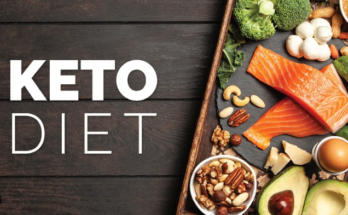
The keto diet also aligns well with real-life eating habits in terms of simplicity. While it may seem complex at first, many keto-friendly meals are built around whole, familiar foods such as vegetables, meats, eggs, nuts, and healthy oils. Once the initial learning curve is overcome, meal planning can become straightforward and even enjoyable. Many people appreciate that they can prepare satisfying meals at home without relying on highly processed ingredients.
Social situations, often a challenge for any dietary change, can also be navigated with some flexibility. Dining out, for example, can still be enjoyable by choosing dishes that emphasize protein and vegetables while minimizing high-carbohydrate sides. Over time, many individuals find that they can participate in gatherings without feeling isolated or overly restricted, which is an important factor in maintaining any long-term lifestyle adjustment.
Another appealing element of the keto diet is its adaptability. It can be tailored to different preferences and cultural cuisines. Whether someone prefers plant-forward meals or traditional dishes with meat and dairy, there are ways to adjust recipes to fit keto guidelines. This flexibility helps people integrate the diet into their existing routines rather than feeling like they must completely reinvent their eating habits.
In addition to physical changes, some individuals report a greater sense of awareness around food choices. Because the diet encourages attention to macronutrient balance, people often become more mindful of what they eat. This awareness can lead to more intentional decisions, not just about carbohydrates, but about overall food quality. Over time, this shift in perspective can support a more balanced and thoughtful approach to nutrition.
It is also worth noting that the keto diet has gained attention in certain medical and wellness discussions. While it is not a one-size-fits-all solution, and professional guidance is always recommended for those with specific health conditions, its structured approach can be appealing to individuals who prefer clear guidelines. For many, having a defined framework makes it easier to stay consistent and track progress.
Despite its benefits, the real-life appeal of the keto diet also lies in its realism. People who succeed with it often do so by adapting it to their own lives rather than following it perfectly. Occasional adjustments, personal preferences, and individual goals all play a role. This flexible mindset can make the difference between a short-term experiment and a lasting lifestyle change.
Another important factor is the supportive community that has formed around the keto diet. Online forums, recipe blogs, and social media groups provide a space for people to share experiences, tips, and encouragement. This sense of connection can make the journey feel less isolating and more collaborative, which is valuable for maintaining motivation over time.
For those considering the keto diet, it is helpful to approach it with curiosity and patience. The initial transition period, sometimes referred to as the adaptation phase, can come with temporary challenges as the body adjusts to a new energy source. However, many people find that these early hurdles are manageable and short-lived, especially when they stay hydrated and focus on balanced nutrition.
Ultimately, the real-life appeal of the keto diet comes down to how it fits into everyday living. It offers a way of eating that can support steady energy, satisfying meals, and a sense of control over food choices. While it may not be the right path for everyone, its growing popularity reflects the positive experiences of many who have made it part of their routine.
As with any dietary approach, it is important to listen to your body and consider your individual needs. Consulting with a qualified professional can provide guidance tailored to your situation. When approached thoughtfully and realistically, the keto diet can be more than just a trend. It can be a practical and enjoyable way to support a balanced lifestyle in the context of real life.