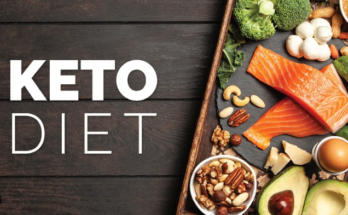
In the ever-evolving world of nutrition and wellness, few dietary approaches have demonstrated the staying power of the ketogenic diet. Commonly referred to as keto, this low-carbohydrate, high-fat eating pattern has moved far beyond a passing trend. It has established itself as a global lifestyle choice embraced by millions seeking improved health, weight management, and sustained energy.
One of the primary reasons keto continues to gain traction worldwide is its simplicity. Unlike diets that require complicated calorie tracking or strict portion control, keto focuses on a clear principle: significantly reduce carbohydrate intake and replace it with healthy fats. This shift encourages the body to enter a metabolic state known as ketosis, where fat becomes the primary source of energy. For many people, this straightforward framework makes keto easier to follow compared to more restrictive or complex plans.
Another major factor behind keto’s popularity is its effectiveness for weight management. Many individuals report noticeable results within weeks of starting the diet. By reducing carbohydrates, the body lowers insulin levels, which can support fat burning. Additionally, fats and proteins tend to be more satisfying than carbohydrates, helping people feel fuller for longer periods. This natural appetite control often leads to reduced overall calorie intake without the feeling of deprivation that can derail other diets.
Keto has also gained global attention because of its potential to support stable energy levels. Traditional high-carbohydrate diets can lead to fluctuations in blood sugar, causing energy spikes followed by crashes. In contrast, a ketogenic approach promotes a more consistent energy supply by relying on fat stores. Many people who adopt keto report feeling more focused and less fatigued throughout the day, which can be particularly appealing in today’s fast-paced lifestyle.
The widespread availability of keto-friendly products has further contributed to its continued growth. Grocery stores, restaurants, and food brands have responded to demand by offering low-carb alternatives to common staples. From bread and snacks to desserts, these options make it easier than ever for individuals to maintain a ketogenic lifestyle without feeling limited. This accessibility has helped keto transition from a niche diet to a mainstream choice in many parts of the world.
Social media and digital communities have also played a significant role in sustaining keto’s popularity. Online platforms provide a space for individuals to share recipes, success stories, and practical tips. This sense of community can be incredibly motivating, especially for those just starting their journey. Seeing real-life results from others fosters trust and encourages more people to explore the benefits of keto for themselves.
In addition to weight management and energy support, many people are drawn to keto for its potential wellness benefits. Some individuals report improvements in their overall sense of well-being, including better focus and reduced cravings. While personal experiences vary, the growing body of interest in low-carbohydrate nutrition has sparked ongoing research and discussion within the health community. This continued exploration helps keep keto relevant and widely discussed.
Flexibility is another reason keto remains popular. Over time, variations of the diet have emerged to suit different lifestyles and preferences. For example, some people follow a more relaxed version that allows occasional higher-carb meals, while others adapt keto principles to vegetarian or plant-based diets. This adaptability makes keto accessible to a broader audience, allowing individuals to tailor the approach to their unique needs.
Cultural adaptability has also contributed to keto’s global reach. Different regions have incorporated local foods and traditions into keto-friendly meals, demonstrating that the diet is not limited to a specific cuisine. Whether it is Mediterranean-inspired dishes rich in olive oil and fish or Asian-style meals focusing on low-carb vegetables and proteins, keto can be adapted to fit diverse culinary preferences. This versatility has helped it resonate with people across various cultures and backgrounds.
Another important aspect of keto’s ongoing appeal is the increasing awareness of the relationship between diet and long-term health. As people become more mindful of their food choices, many are seeking approaches that emphasize whole, minimally processed ingredients. Keto often encourages the consumption of foods such as vegetables, healthy fats, and quality proteins, aligning with this broader movement toward mindful eating.
It is also worth noting that keto does not require expensive or hard-to-find ingredients. While specialty products are available, many keto-friendly foods are everyday staples such as eggs, meat, fish, nuts, seeds, and low-carb vegetables. This affordability makes the diet accessible to a wide range of individuals, further supporting its global adoption.
The role of personalization cannot be overlooked when discussing keto’s continued success. Unlike one-size-fits-all diets, keto allows individuals to adjust their food choices based on their preferences and goals. This sense of ownership can make the experience more enjoyable and sustainable over time. When people feel empowered to make choices that align with their lifestyle, they are more likely to stick with those habits.
As with any dietary approach, balance and informed decision-making are key. Many people who follow keto choose to do so in a way that supports their overall well-being, focusing on nutrient-dense foods and listening to their body’s needs. This thoughtful approach helps ensure that keto remains a positive and sustainable lifestyle choice rather than a short-term trend.
The continued interest in keto is also fueled by ongoing innovation. Food brands, nutrition experts, and home cooks alike are constantly developing new recipes and products that align with ketogenic principles. This creativity keeps the diet fresh and exciting, preventing it from becoming repetitive or monotonous.
Ultimately, the reason keto continues to trend worldwide comes down to its combination of simplicity, adaptability, and perceived effectiveness. It offers a clear framework that many people find easy to follow, along with the flexibility to suit different lifestyles and cultural preferences. As awareness of nutrition and wellness continues to grow, keto remains a prominent option for those seeking a sustainable and satisfying way to approach their diet.
Looking ahead, it is likely that keto will continue to evolve alongside advancements in nutritional science and consumer preferences. Its ability to adapt and remain relevant in a rapidly changing world is a testament to its enduring appeal. For many, keto is not just a diet but a long-term approach to mindful eating and balanced living.