Starting a new way of eating can feel both exciting and uncertain, especially when it comes to the ketogenic diet. Often referred to simply as “keto,” this approach focuses on reducing carbohydrate intake while increasing fats, encouraging the body to shift into a state called ketosis. For beginners, understanding what to expect can make the transition smoother and more sustainable.
At its core, the ketogenic diet changes how your body fuels itself. Under normal circumstances, your body relies on carbohydrates for energy, breaking them down into glucose. When carbohydrate intake is significantly reduced, your body begins to use fat as its primary fuel source instead. This process leads to the production of ketones, which serve as an alternative energy supply. While this shift may sound simple, it involves a period of adjustment that can vary from person to person.
One of the first things beginners often notice is a change in energy levels. During the initial days, it is common to feel slightly fatigued or sluggish as the body adapts to using fat for fuel. This phase is temporary and sometimes referred to as the “keto flu.” Symptoms may include mild headaches, low energy, or irritability. Staying hydrated and maintaining a balanced intake of electrolytes can help ease this transition. Most people find that once their bodies adjust, their energy becomes more stable throughout the day.
Another expectation is a shift in appetite. Many individuals report feeling less hungry once they are fully in ketosis. This is partly because fats and proteins tend to be more satisfying than carbohydrates. As a result, some beginners naturally reduce their overall calorie intake without intentionally restricting food. However, it is still important to focus on balanced meals that include a variety of nutrient-dense foods.
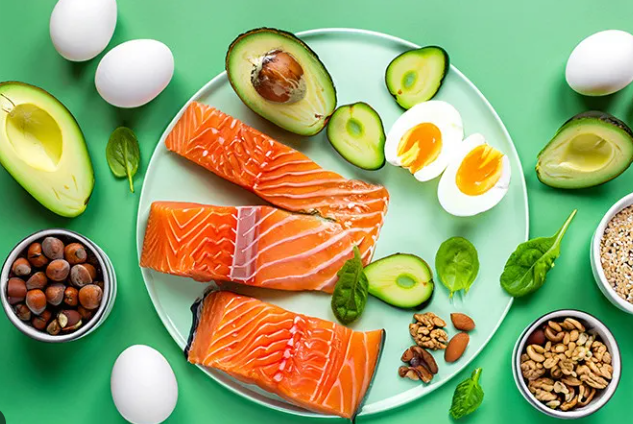
When starting keto, meal planning becomes an important part of success. Foods typically included in a ketogenic diet are healthy fats such as avocados, nuts, seeds, and oils, along with moderate amounts of protein from sources like eggs, fish, and meat. Low-carbohydrate vegetables, including leafy greens and cruciferous vegetables, are also key components. On the other hand, foods high in sugar and starch, such as bread, pasta, rice, and many processed snacks, are generally limited.
For beginners, grocery shopping may require a new mindset. Reading food labels becomes more important, as carbohydrates can appear in unexpected places. Over time, this habit becomes easier and more intuitive. Preparing meals at home can also provide better control over ingredients, helping you stay aligned with your goals.
Physical changes are another aspect of what to expect. Some people notice weight changes during the first few weeks, which can be motivating. Early changes are often related to water balance in the body, as reducing carbohydrate intake can lead to a decrease in stored glycogen and associated water. As the diet continues, changes may become more gradual and reflect longer-term habits.
Mental clarity is another commonly reported benefit once the body adapts to ketosis. Some individuals describe improved focus and a more consistent level of alertness throughout the day. While experiences vary, this effect is often linked to the steady energy supply provided by ketones.
Social situations can present unique challenges for beginners. Dining out, attending gatherings, or traveling may require extra planning. Looking at menus ahead of time, choosing simple dishes, and communicating preferences can help maintain consistency without feeling restricted. Over time, many people find ways to adapt their choices in different settings while still enjoying social experiences.
It is also helpful to set realistic expectations. The ketogenic diet is not a quick fix, and results can differ based on individual factors such as lifestyle, activity level, and consistency. Focusing on gradual progress rather than immediate outcomes can make the journey more sustainable. Patience and flexibility are important, especially during the early stages.
Tracking progress can be encouraging for beginners. Some people choose to monitor their food intake, while others pay attention to how they feel physically and mentally. There is no single approach that works for everyone, so finding a method that suits your preferences is key. The goal is to build awareness and develop habits that support your long-term well-being.
Another important aspect is listening to your body. If something does not feel right, it may be helpful to adjust your approach. This could involve modifying your food choices, ensuring you are eating enough, or seeking guidance from a qualified professional. A personalized approach can help you navigate challenges and stay on track.
Consistency plays a significant role in the success of a ketogenic lifestyle. While occasional setbacks may happen, they are a normal part of any dietary change. What matters most is returning to your routine and continuing to move forward. Over time, the habits you build can become more natural and easier to maintain.
For beginners, the ketogenic diet offers a structured yet flexible way to rethink eating habits. By understanding what to expect, you can approach the process with confidence and clarity. The transition may require some adjustment, but with preparation and a positive mindset, it can become a rewarding experience.
Ultimately, the key to success lies in balance, awareness, and patience. The ketogenic journey is not just about changing what you eat, but also about learning how your body responds and adapting accordingly. With time and consistency, many beginners find that this way of eating becomes a comfortable and sustainable part of their lifestyle.