Starting a new way of eating can feel overwhelming, especially when there is so much conflicting advice online. The ketogenic diet, often called keto, has gained attention for its potential to support weight management, steady energy levels, and improved focus. For beginners, understanding how keto works and how to approach it safely and realistically can make all the difference in building a sustainable routine.
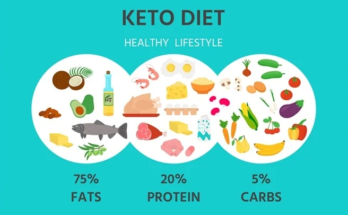
At its core, the ketogenic diet is a low-carbohydrate, high-fat approach to eating. Instead of relying on carbohydrates like bread, pasta, and sugar for energy, the body shifts into a metabolic state called ketosis. In ketosis, fat becomes the primary fuel source, and the liver produces ketones to supply energy to the brain and body. This shift can lead to more stable energy levels throughout the day, which is one of the reasons many people are drawn to keto.
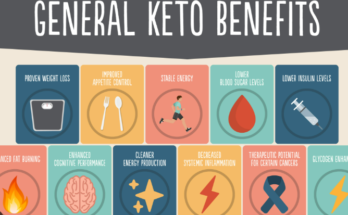
One of the most noticeable benefits beginners often report is reduced hunger. When meals are rich in healthy fats and moderate in protein, they tend to be more satisfying. This can naturally lead to eating fewer calories without feeling deprived. Unlike strict dieting approaches that rely on constant restriction, keto encourages eating until comfortably full, which can feel more manageable for many individuals.
Another advantage is the potential for improved blood sugar control. By limiting carbohydrate intake, keto may help reduce spikes and crashes in blood sugar levels. This can be particularly appealing for people looking to maintain steady energy or avoid the mid-afternoon slump that often follows high-carb meals. However, anyone with existing health conditions should consult a qualified professional before making significant dietary changes.
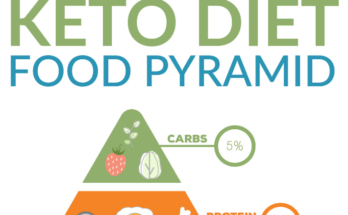
For beginners, one of the most important tips is to focus on whole, nutrient-dense foods. A well-formulated keto plan includes items like leafy greens, avocados, nuts, seeds, eggs, fish, and healthy oils. These foods provide essential vitamins and minerals that support overall health. While packaged “keto-friendly” products are widely available, relying too heavily on processed options can limit nutritional quality and may not deliver the same benefits.
Hydration is another key factor that is often overlooked. As the body adapts to lower carbohydrate intake, it tends to release more water and electrolytes. This can sometimes lead to what people call the “keto flu,” a temporary phase where individuals may feel tired or sluggish. Drinking enough water and ensuring adequate intake of electrolytes such as sodium, potassium, and magnesium can help ease this transition.
Planning meals ahead of time can make the adjustment smoother. Beginners may find it helpful to keep simple meal ideas on hand, such as grilled protein with vegetables cooked in olive oil or a quick salad topped with nuts and a flavorful dressing. Having easy options available reduces the temptation to revert to high-carb convenience foods, especially during busy days.
It is also important to approach keto with flexibility and patience. The body does not switch into ketosis instantly, and results can vary from person to person. Some people notice changes within a few days, while others may take a couple of weeks to fully adapt. Focusing on consistency rather than perfection helps create a more positive experience and reduces unnecessary stress.
In addition to physical benefits, some individuals report improved mental clarity while following a ketogenic diet. This may be linked to the steady supply of energy from ketones, which can help avoid the fluctuations associated with high sugar intake. While experiences differ, many beginners appreciate the sense of focus that can come with a more balanced energy pattern.
Social situations can present challenges at first, but they are manageable with a bit of preparation. Choosing dishes that center around protein and vegetables, and making simple substitutions when possible, can help maintain progress without feeling isolated. Over time, these choices often become second nature.
Another helpful tip is to listen to your body. While keto can offer benefits, it is not a one-size-fits-all solution. Paying attention to how you feel, including energy levels, digestion, and overall well-being, can guide adjustments along the way. If something does not feel right, it is okay to modify the approach or seek guidance.
Sustainability should always be a priority. Rather than viewing keto as a short-term fix, beginners may benefit from seeing it as a gradual lifestyle shift. This mindset encourages balanced habits that can be maintained over time, rather than quick changes that are difficult to sustain. Small, consistent steps often lead to more meaningful results.
It is also worth noting that quality matters just as much as macronutrient ratios. Choosing healthy fats like olive oil, avocados, and nuts over highly processed fats supports overall wellness. Similarly, prioritizing fresh ingredients over packaged items can enhance both flavor and nutritional value.
For those just starting out, tracking food intake can be a useful learning tool. It helps build awareness of carbohydrate levels and ensures that meals align with keto principles. Over time, many people become more comfortable estimating portions and may not need to track as closely.
Finally, maintaining a positive and realistic outlook is essential. Progress may not always be linear, and occasional setbacks are a normal part of any lifestyle change. What matters most is the ability to refocus and continue moving forward.
In summary, the ketogenic diet offers a unique approach to eating that emphasizes low carbohydrates and higher fat intake. For beginners, the key to success lies in understanding the basics, choosing whole foods, staying hydrated, and allowing time for the body to adapt. With a balanced and flexible mindset, keto can become a manageable and rewarding way to support overall health and well-being.