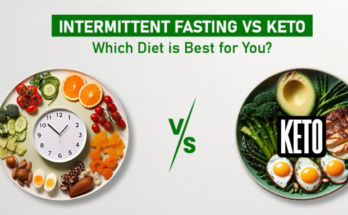
The ketogenic diet, often called keto, has become one of the most talked-about approaches to eating in recent years. While it is sometimes surrounded by hype and extreme claims, a balanced and thoughtful perspective can help people better understand its potential benefits without unrealistic expectations. At its core, keto is not a miracle solution but a structured dietary approach that can support certain health goals when practiced responsibly.
Keto focuses on significantly reducing carbohydrate intake while increasing the consumption of healthy fats and maintaining moderate protein levels. This shift encourages the body to enter a metabolic state called ketosis, where fat is used as the primary source of energy instead of carbohydrates. For many people, this change in energy use can lead to noticeable effects, particularly in how the body manages fuel and hunger.
One of the most commonly discussed benefits of keto is its role in supporting weight management. By relying on fat as a fuel source, the body may become more efficient at utilizing stored fat. Additionally, meals rich in fats and proteins can promote a feeling of fullness, which may naturally reduce overall calorie intake. However, it is important to understand that results vary from person to person, and sustainable weight management still depends on consistency, lifestyle habits, and overall dietary balance.
Another area where keto has gained attention is in supporting stable energy levels throughout the day. Unlike diets that rely heavily on quick-digesting carbohydrates, keto encourages a slower, more sustained release of energy. Some individuals report fewer energy crashes and a more steady sense of alertness. This does not mean that everyone will experience the same effect, but it highlights how different macronutrient balances can influence how the body feels and performs.
Keto may also play a role in helping individuals become more mindful of what they eat. Because the diet requires careful planning and awareness of carbohydrate intake, many people develop a stronger understanding of food composition and nutritional choices. This increased awareness can lead to more intentional eating habits, even beyond the keto framework. Paying attention to ingredients, portion sizes, and food quality can be beneficial regardless of the specific diet one follows.
A balanced approach to keto also means recognizing the importance of food quality. Not all fats are created equal, and focusing on nutrient-dense sources such as avocados, nuts, seeds, and healthy oils can make a meaningful difference. Similarly, incorporating low-carbohydrate vegetables provides essential vitamins, minerals, and fiber that support overall well-being. A thoughtful keto plan prioritizes whole foods rather than relying heavily on processed alternatives.
Hydration and electrolyte balance are also important considerations. As the body adapts to lower carbohydrate intake, changes in water retention can occur. Ensuring adequate fluid intake and maintaining proper levels of minerals such as sodium, potassium, and magnesium can help support comfort and overall function. These adjustments are part of a responsible approach that respects the body’s natural processes.
It is equally important to acknowledge that keto is not the only path to health and may not be suitable for everyone. Individual needs vary based on factors such as age, activity level, medical history, and personal preferences. Some people thrive on lower-carbohydrate approaches, while others feel better with a more moderate or balanced intake of all macronutrients. Listening to one’s body and seeking professional guidance when needed can help ensure that dietary choices are appropriate and sustainable.
Another key aspect of a balanced perspective is avoiding extreme restrictions or rigid thinking. Flexibility can play a valuable role in long-term success. Some individuals choose to follow keto strictly, while others adopt a more moderate version that allows occasional variations. This adaptability can make the approach more realistic and easier to maintain over time. Rather than aiming for perfection, focusing on consistency and overall patterns can lead to more positive outcomes.
Social and lifestyle factors also deserve attention. Food is often connected to culture, family, and shared experiences. Finding ways to integrate dietary preferences into social settings without feeling isolated or restricted can enhance overall well-being. Planning ahead, making mindful choices, and maintaining a positive mindset can help individuals navigate these situations with confidence.
It is also helpful to approach information about keto with a critical eye. While there is a growing body of research on low-carbohydrate diets, not all claims are equally supported. Relying on credible sources and avoiding exaggerated promises can lead to more informed decisions. A balanced understanding emphasizes potential benefits while recognizing limitations and the need for further study.
Physical activity can complement a keto lifestyle as well. Engaging in regular movement supports overall health and can enhance the body’s ability to use energy efficiently. Whether through walking, strength training, or other forms of exercise, staying active contributes to a well-rounded approach that goes beyond diet alone.
Ultimately, the value of keto lies in how it is applied. When approached with care, awareness, and flexibility, it can be a useful tool for some individuals. The goal is not to follow trends blindly but to create a sustainable pattern of eating that supports personal well-being. This includes paying attention to hunger cues, choosing nourishing foods, and maintaining a positive relationship with eating.
A balanced approach to keto benefits encourages thoughtful decision-making rather than rigid adherence. It recognizes that health is influenced by many factors, including nutrition, activity, sleep, and mindset. By focusing on overall balance and realistic expectations, individuals can explore keto in a way that aligns with their unique needs and goals.
In the end, the most effective dietary approach is one that can be maintained over time while supporting both physical and mental well-being. Keto may offer certain advantages, but it is just one option among many. By keeping an open mind and prioritizing balance, individuals can make choices that contribute to a healthier and more sustainable lifestyle.