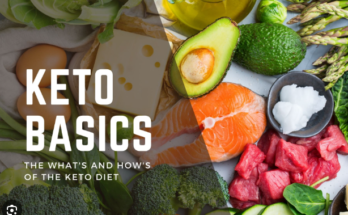
The ketogenic diet, often called keto, has become a popular way of eating for people looking to improve their health, manage their weight, or simply feel more energized throughout the day. While it may sound complicated at first, keto is actually a straightforward approach once you understand the basics. This guide is designed to explain everything in a clear and friendly way, helping you decide if keto is right for you and how to get started safely.
At its core, the ketogenic diet is a low-carbohydrate, high-fat, and moderate-protein way of eating. The goal is to shift your body’s primary energy source from carbohydrates to fats. Normally, your body breaks down carbohydrates into glucose, which it uses for energy. On keto, carbohydrate intake is significantly reduced, encouraging the body to enter a state called ketosis. In ketosis, your body burns fat for fuel and produces ketones, which serve as an alternative energy source.
One of the main reasons people are drawn to keto is its potential for weight management. By reducing carbs and increasing fat intake, many individuals feel fuller for longer periods. This can naturally lead to eating fewer calories without feeling deprived. Additionally, stabilizing blood sugar levels may help reduce cravings and energy crashes, which are common with high-carb diets.
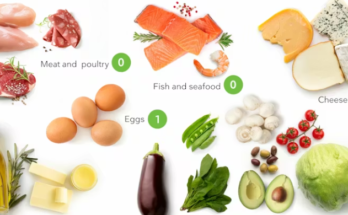
Starting keto does not require complicated rules, but it does involve a shift in food choices. Foods that are typically encouraged include healthy fats such as avocados, olive oil, nuts, and seeds. Protein sources like eggs, fish, poultry, and meat are also included in moderate amounts. Low-carbohydrate vegetables such as leafy greens, broccoli, and zucchini play an important role in providing fiber and nutrients.
On the other hand, foods high in carbohydrates are limited. This includes sugary snacks, bread, pasta, rice, and many processed foods. Even certain fruits are reduced because of their natural sugar content. Instead, keto-friendly fruits like berries can be enjoyed in smaller portions.
It is important to approach keto in a balanced and mindful way. Not all fats are created equal, and focusing on healthy sources of fat is key. Choosing whole, minimally processed foods helps ensure that your body receives essential vitamins and minerals. Drinking enough water and maintaining proper electrolyte levels is also important, especially during the early stages of the diet.
When transitioning to keto, some people experience what is commonly known as the “keto flu.” This is a temporary phase where the body adapts to using fat as its primary fuel source. Symptoms may include fatigue, headaches, or irritability, but they typically resolve within a few days. Staying hydrated and gradually reducing carbohydrate intake can help ease this transition.
Another benefit often associated with keto is improved mental clarity. Many people report feeling more focused and alert once they are fully adapted to ketosis. While experiences can vary, this may be linked to more stable energy levels throughout the day.
It is also worth noting that keto is not a one-size-fits-all approach. Everyone’s body responds differently, and what works well for one person may not be ideal for another. Factors such as lifestyle, activity level, and overall health should be considered. Consulting with a qualified healthcare professional before making significant dietary changes is always a good idea, especially for individuals with existing health conditions.
Long-term success with keto often comes from flexibility and sustainability. Some people choose to follow a strict ketogenic plan, while others adopt a more moderate low-carb lifestyle after reaching their initial goals. Listening to your body and making adjustments along the way can help create a more enjoyable and lasting experience.
Meal planning can make a big difference when starting keto. Preparing simple, balanced meals ahead of time helps avoid relying on convenient but less suitable food choices. A typical day might include eggs and avocado for breakfast, a salad with grilled chicken and olive oil for lunch, and a dinner of fish with roasted vegetables. Snacks can include nuts, cheese, or yogurt alternatives that fit within keto guidelines.
Social situations and dining out may require a bit of planning, but they are manageable with a keto lifestyle. Many restaurants offer flexible menu options, allowing you to choose dishes that align with your goals. Simple adjustments, such as replacing high-carb sides with vegetables, can make a big difference.
It is also helpful to focus on progress rather than perfection. Small, consistent changes often lead to meaningful results over time. If you occasionally step outside of your plan, it is not a failure but an opportunity to learn and adjust. A positive mindset can make the journey more enjoyable and less stressful.
In conclusion, the ketogenic diet is a simple yet effective approach to changing how your body uses energy. By reducing carbohydrates and focusing on healthy fats and balanced nutrition, many people experience benefits such as improved energy, better appetite control, and potential weight management. With a thoughtful and flexible approach, keto can be adapted to fit a variety of lifestyles.
This guide aims to provide a clear and friendly introduction, helping you feel more confident as you explore the keto lifestyle. Taking the time to understand your body, choosing wholesome foods, and making gradual adjustments can set you on a path toward a healthier and more sustainable way of eating.